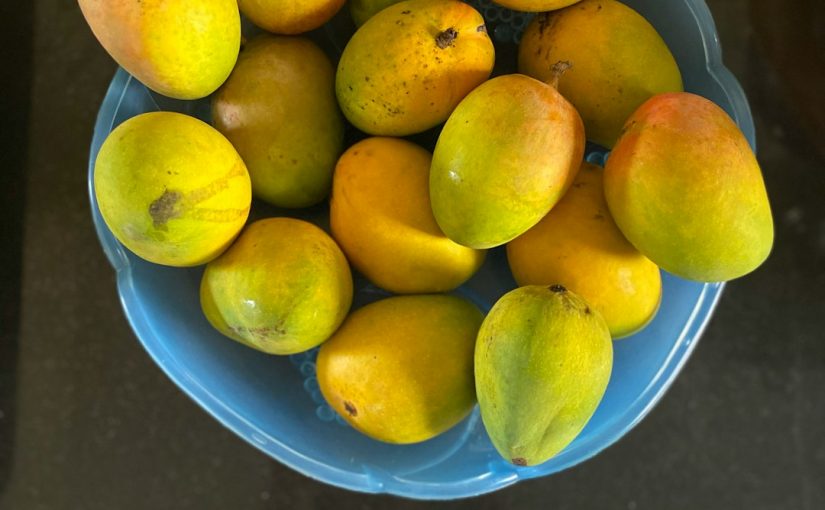
The mango, a celebrated tropical fruit, holds a special place in global agriculture and culinary traditions. Understanding the intricate growth habits of the mango tree (Mangifera indica) is paramount for anyone looking to cultivate this verdant producer successfully, whether for commercial orchards or a backyard oasis. From its initial germination as a seed to its majestic canopy laden with luscious fruit, each stage of a mango tree’s development is influenced by a unique interplay of genetic predispositions and environmental factors. Delving into these aspects—including its life cycle, environmental needs, structural formation, and reproductive patterns—provides invaluable insights for optimizing health, yield, and longevity. This article will explore the fascinating journey of the mango tree, uncovering the secrets behind its successful growth and productivity.
The mango tree’s life cycle: from seed to fruit
The journey of a mango tree begins with its seed, which contains the embryo destined to become a new plant. Germination typically requires warm temperatures and consistent moisture. Mango varieties are broadly categorized into monoembryonic (producing a single embryo, true to parent type) and polyembryonic (producing multiple embryos, some of which are nucellar and true to parent type, while others are zygotic and represent a cross). Following successful germination, the plant enters the seedling stage, characterized by a delicate taproot system and the emergence of its first leaves. This phase is critical for establishing a robust foundation.
As the seedling matures, it transitions into the juvenile stage, a period dominated by vigorous vegetative growth without any fruit production. This phase can last anywhere from three to five years, or even longer depending on the cultivar and environmental conditions. During this time, the tree focuses on developing a strong trunk, extensive root system, and a well-formed canopy. The tree then enters its mature stage, marked by the onset of flowering and fruiting. This reproductive phase is cyclical, with the tree producing flushes of new growth followed by periods of dormancy, leading up to the development of its distinctive inflorescences and, eventually, its delicious fruit. Understanding these distinct phases is crucial for appropriate care and management.
Environmental factors influencing mango growth
Mango trees thrive in specific environmental conditions that mimic their native tropical and subtropical origins. Optimal light exposure is fundamental, with trees requiring a minimum of 8-10 hours of direct sunlight daily for robust photosynthesis and efficient fruit production. Shaded conditions can lead to poor flowering and reduced yields. Temperature plays an equally vital role; mango trees prefer consistent warm temperatures, typically ranging between 20°C and 30°C. While some cultivars can tolerate brief periods of cooler temperatures, frost is a significant threat, capable of causing severe damage or even death, particularly in young trees. Certain varieties may also require a short, cool, dry period to initiate flowering.
Water availability is critical, especially during flowering and fruit set. While mango trees are relatively drought-tolerant once established, consistent deep watering is essential during dry spells and fruit development. Conversely, waterlogging can quickly lead to root rot and tree decline, highlighting the importance of well-drained soil. Soil type is another key factor, with mangoes preferring loamy or sandy-loam soils that are slightly acidic to neutral, ideally with a pH between 5.5 and 7.5. Heavy clay soils, which retain too much moisture, should be avoided. A balanced nutrient profile, supplied through organic matter or appropriate fertilizers, supports healthy growth and bountiful harvests.
| Factor | Optimal Range/Requirement | Impact on Growth |
|---|---|---|
| Sunlight | 8-10 hours direct sun per day | Essential for photosynthesis and flowering |
| Temperature | 20-30°C (68-86°F) | Promotes vegetative and reproductive growth; sensitive to frost |
| Soil pH | 5.5-7.5 (slightly acidic to neutral) | Nutrient availability and root health |
| Soil Type | Well-drained sandy loam or loam | Prevents waterlogging, allows root respiration |
| Watering | Consistent, deep watering during dry periods and fruit development | Crucial for fruit set and development; avoid waterlogging |
Understanding mango tree structure and branching habits
The physical architecture of a mango tree is highly influential in its productivity and management. Its root system typically consists of a strong, deep taproot that provides anchoring and accesses deep water reserves, complemented by a wide network of shallower feeder roots responsible for nutrient uptake. The trunk, smooth and often reddish when young, gradually becomes rougher and fissured with age, providing structural support to the ever-expanding canopy. Canopy architecture varies significantly among cultivars, with some exhibiting an upright, columnar habit (e.g., ‘Tommy Atkins’), while others develop a more spreading, open form (e.g., ‘Haden’). This architectural difference impacts spacing requirements and light penetration.
Mango leaves are simple, lanceolate, and arranged alternately on the branches. New flushes of leaves often emerge with a distinctive reddish or purplish hue before maturing to a glossy green. Branching patterns are characterized by terminal bud growth, followed by flushes of new shoots. Understanding these growth flushes is vital for effective pruning, which is used to manage tree size, shape, encourage air circulation, enhance light penetration into the canopy, and stimulate the production of fruiting wood. Proper pruning techniques are essential for maintaining tree health, vigor, and ensuring consistent fruit production over many years.
Flowering and fruiting dynamics
The reproductive cycle of the mango tree is a complex and fascinating process, culminating in the development of its cherished fruit. Flowering occurs on large, pyramidal inflorescences known as panicles, which emerge from terminal buds, usually during late winter or early spring depending on the climate and cultivar. Each panicle can bear hundreds to thousands of tiny flowers, a mix of male and perfect (hermaphroditic) flowers. The ratio of these flower types can vary and influences fruit set potential. Environmental cues, such as a preceding dry period or slightly cooler temperatures, often trigger flowering, ensuring the tree is physiologically ready for reproduction.
Pollination is primarily facilitated by insects, predominantly flies and small bees, which transfer pollen between flowers. Successful fruit set, however, is a relatively low percentage of the total flowers produced on a panicle, often due to environmental factors like heavy rain or strong winds during bloom, nutritional deficiencies, or pest and disease pressure. Once fruit set occurs, the small, marble-sized fruits undergo a period of rapid expansion and maturation, typically taking three to five months to reach full size and ripeness. Many mango varieties exhibit a tendency towards biennial bearing, producing a heavy crop one year followed by a lighter crop the next. Strategic pruning, irrigation, and nutrient management can help mitigate this tendency, promoting more consistent annual yields.
In summary, mastering the mango tree’s growth habits is a journey into the heart of tropical horticulture, revealing the precise conditions and developmental stages crucial for its success. We have explored its distinct life cycle, from vulnerable seedling to prolific fruit bearer, and highlighted the critical roles of optimal sunlight, stable temperatures, consistent water, and well-draining soil. Understanding the tree’s structural evolution, including its root system and diverse canopy forms, empowers growers to implement effective pruning and management strategies. Finally, recognizing the nuances of flowering and fruiting cycles allows for interventions that enhance yield and fruit quality. By applying these insights, cultivators can foster robust, productive mango trees, ensuring a bountiful harvest and contributing to the enduring legacy of this cherished fruit.
Image by: Priyanka D