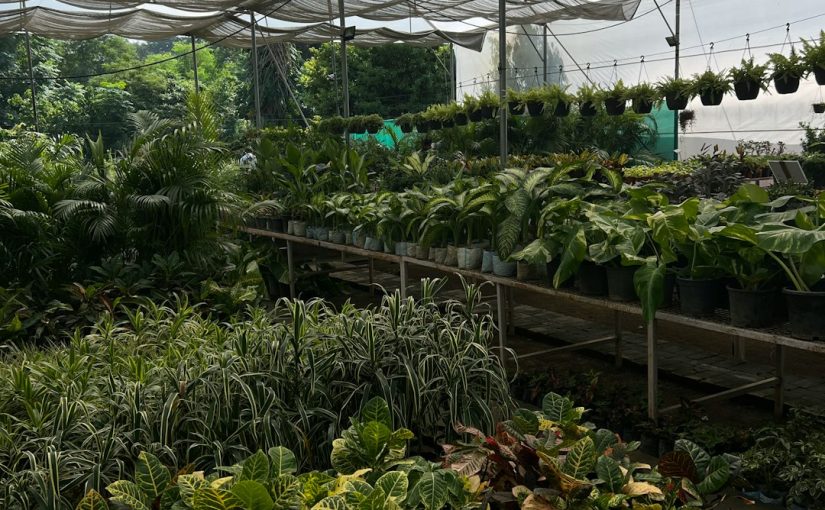
Creating a beautiful garden is a joy for many homeowners, but for families with pets and young children, an added layer of consideration is paramount: safety. Many popular ornamental plants, while stunning, can pose serious health risks if ingested, leading to mild discomfort or even severe toxicity. This concern often leads to a dilemma between cultivating a lush, vibrant outdoor space and ensuring the well-being of our most vulnerable family members. Thankfully, the solution doesn’t require sacrificing beauty for safety. This article will delve into the world of nontoxic evergreen shrubs, offering a practical guide to selecting, planting, and maintaining plants that provide year-round greenery and peace of mind. We’ll explore specific species that are safe for both curious pets and playful children, helping you design a garden that is as secure as it is aesthetically pleasing.
Understanding the importance of plant safety in your garden
The allure of a vibrant garden often comes with hidden dangers, particularly when it comes to plant toxicity. For families with pets and young children, the garden is a place of exploration and play. Toddlers are known for putting almost anything into their mouths, and pets, especially puppies and kittens, frequently chew on foliage out of curiosity or boredom. Identifying which plants are truly safe, and which pose a risk, is a critical step in creating a secure outdoor environment. Symptoms of plant poisoning can range from mild gastrointestinal upset, like vomiting and diarrhea, to more severe issues affecting the heart, kidneys, or nervous system. The urgency of this topic is underscored by the fact that many common garden mainstays, such as azaleas, rhododendrons, and oleander, are highly toxic.
The focus on evergreen shrubs specifically addresses the year-round exposure. Deciduous plants shed their leaves, minimizing exposure risk during dormant seasons. However, evergreens maintain their foliage throughout the year, meaning potential hazards are continuously present. This constant presence necessitates careful selection to ensure that your garden remains a sanctuary, not a source of concern. By prioritizing nontoxic evergreen options, you not only ensure continuous beauty but also continuous safety, allowing everyone to enjoy the garden without worry.
Top nontoxic evergreen shrubs for a safe landscape
Selecting the right plants is the cornerstone of a pet and kid-friendly garden. Fortunately, there’s a diverse array of evergreen shrubs that offer year-round beauty without posing a threat. These plants can provide structure, color, and texture, ensuring your landscape remains dynamic and attractive.
Here are some excellent, generally nontoxic evergreen shrub options, along with their key characteristics:
| Common Name | Botanical Name | Key Features | Sun Exposure | Hardiness Zones |
|---|---|---|---|---|
| Camellia | Camellia japonica, C. sasanqua | Glossy dark green leaves, beautiful flowers (fall/winter for Sasanqua, winter/spring for Japonica), various colors. | Partial Shade to Full Shade | 6-10 |
| Japanese Aucuba | Aucuba japonica | Tough, leathery green or variegated leaves; thrives in deep shade, adds texture. | Partial Shade to Full Shade | 7-10 |
| Oregon Grape Holly | Mahonia aquifolium | Architectural form, spiny holly-like leaves, fragrant yellow flowers in spring, blue berries (safe). | Full Sun to Full Shade | 5-9 |
| Glossy Abelia | Abelia x grandiflora | Often semi-evergreen to evergreen, small fragrant bell-shaped flowers blooming for months, graceful arching branches. | Full Sun to Partial Shade | 6-9 |
| Japanese Pittosporum | Pittosporum tobira | Dense, leathery dark green leaves, fragrant white to cream flowers in spring. Excellent for hedges or screens. | Full Sun to Partial Shade | 8-10 |
When incorporating these shrubs, consider their mature size and shape to ensure they fit well within your landscape design. For instance, Camellias can grow quite large and make excellent specimen plants or hedging, while Aucuba offers a solution for shaded areas where other plants might struggle. Oregon Grape Holly provides an architectural element and interest with its unique foliage. Always double-check with a reliable plant database or local nursery to confirm toxicity for your specific region or variety, as common names can sometimes be misleading and species within a genus may vary in toxicity.
Designing a safe and engaging garden space
Beyond selecting nontoxic plants, thoughtful garden design plays a crucial role in creating a truly safe and enjoyable outdoor environment for pets and children. It’s about more than just what you plant; it’s also about how you arrange it and what other elements you incorporate. Consider creating designated zones within your garden. A dedicated play area for children, perhaps with a sandbox or soft ground cover, can keep them away from more ornamental beds. Similarly, a specific “pet zone” might include pet-friendly turf, a digging pit, or even a water feature designed for pets to safely drink from.
Physical barriers, even low ones, can subtly guide traffic. Low fences or strategically placed safe shrubs can delineate boundaries between play areas and more delicate or potentially attractive planting beds. Regular maintenance is also key; promptly clearing fallen berries (even from safe plants, as they can attract pests), leaves, or branches helps maintain cleanliness and reduces the chances of accidental ingestion of anything undesirable. Furthermore, educating children about not eating plants or berries without asking an adult is invaluable. For pets, ensuring they have plenty of toys and enrichment can deter them from chewing on garden plants. By combining smart plant choices with thoughtful design and consistent supervision, your garden becomes a harmonious and safe haven for everyone.
Care and cultivation for thriving nontoxic evergreens
Once you’ve chosen your nontoxic evergreen shrubs, proper care and cultivation are essential to ensure they thrive, providing year-round beauty and safety. Healthy plants are generally more resilient and aesthetically pleasing, contributing positively to your garden’s overall ecosystem. Most evergreen shrubs prefer well-draining soil. Before planting, amend heavy clay soils with organic matter like compost to improve drainage and aeration. For sandy soils, compost will help retain moisture and nutrients. Understanding each plant’s specific light requirements is crucial; placing a shade-loving Aucuba in full sun, for example, will lead to scorched leaves and poor growth.
Watering is paramount, especially during the establishment phase (the first one to two years after planting). Deep, infrequent watering encourages roots to grow deeper, making the plant more drought-tolerant. Once established, many evergreens are relatively low-maintenance, requiring less frequent watering. A layer of organic mulch, such as shredded bark or pine straw, around the base of your shrubs is highly beneficial. Mulch helps retain soil moisture, suppresses weeds, and moderates soil temperature, all while slowly adding nutrients as it decomposes. Pruning can be done to maintain desired size and shape, remove dead or damaged branches, and promote bushier growth. Always use clean, sharp tools. Finally, monitor your plants for pests and diseases, opting for organic and pet-safe pest control methods to maintain the garden’s nontoxic integrity. Consistent care ensures these evergreen shrubs remain vibrant, robust additions to your safe and beautiful landscape for years to come.
Creating a beautiful and safe garden for both pets and children is an achievable and rewarding endeavor. As we’ve explored, the key lies in making informed plant choices, focusing on the abundance of nontoxic evergreen shrubs that offer continuous beauty without compromising safety. From the glossy foliage and stunning blooms of Camellias to the architectural interest of Oregon Grape Holly and the hardy versatility of Japanese Aucuba, there are numerous options to build a diverse and appealing landscape. Beyond plant selection, strategic design, such as creating distinct zones and implementing gentle barriers, further enhances safety and enjoyment for all family members. Consistent care, including proper planting, watering, and pest management using pet and kid-safe methods, ensures these safe shrubs flourish and contribute to a healthy garden ecosystem.
Ultimately, a well-planned garden filled with nontoxic evergreens offers more than just aesthetic appeal; it provides invaluable peace of mind. Knowing that curious paws and exploring hands can wander freely without encountering harmful plants transforms your outdoor space into a true sanctuary. This approach allows you to fully embrace the joys of gardening and outdoor living, fostering a harmonious environment where beauty, safety, and family well-being coexist. By taking these steps, you invest not only in your property’s value but, more importantly, in the safety and happiness of those who matter most.
Image by: Sukriti Shonek