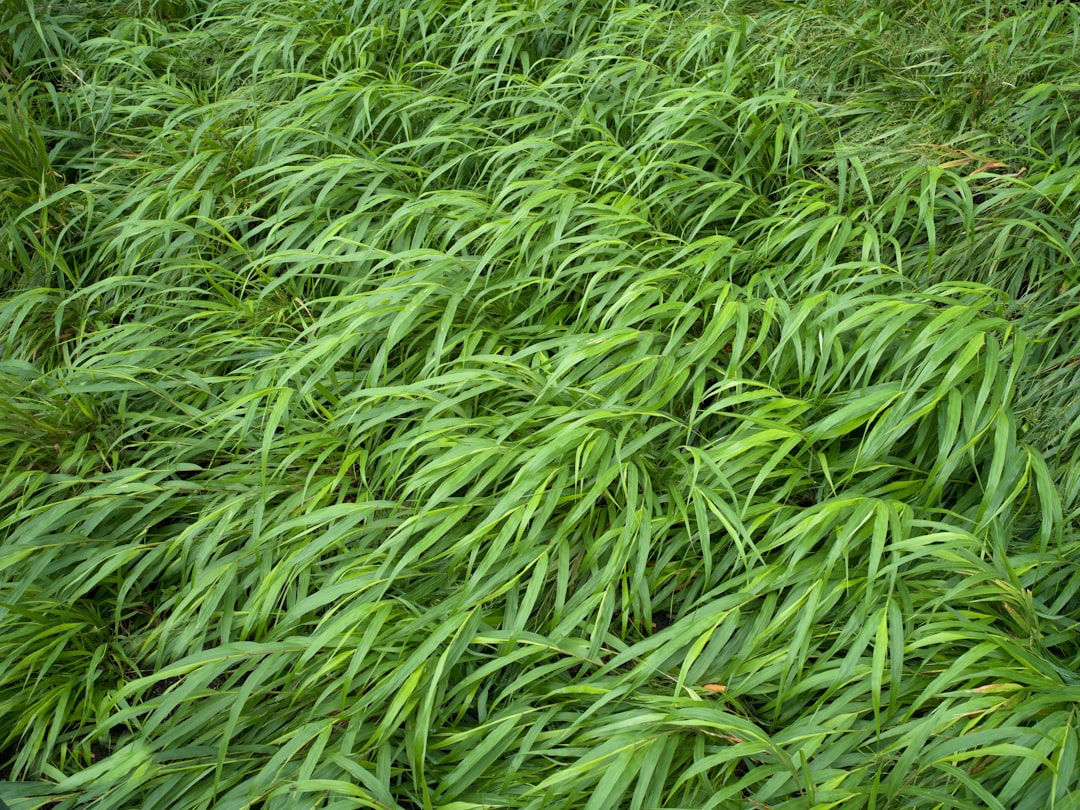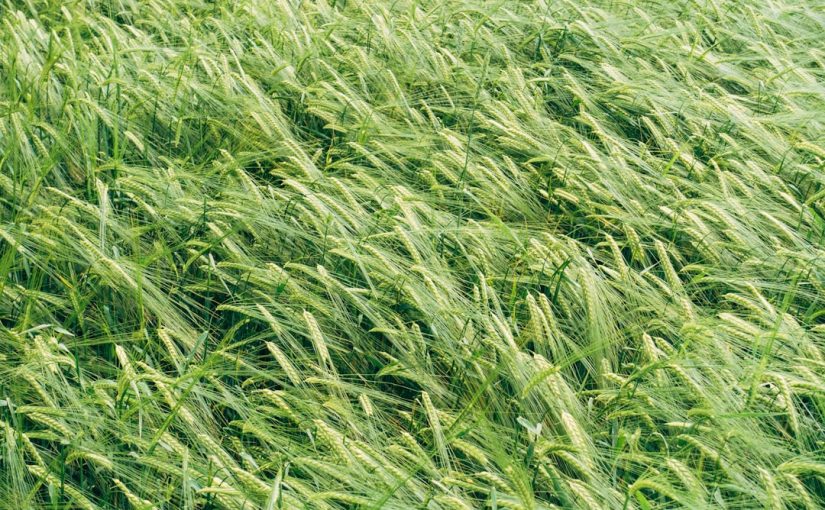
Hameln dwarf fountain grass (Pennisetum alopecuroides ‘Hameln’) is a beloved ornamental grass, often lauded for its graceful arching foliage and attractive bottlebrush plumes. Its compact size and drought tolerance frequently lead gardeners to believe it’s a “plant it and forget it” solution for borders, containers, and mass plantings. While undeniably beautiful and versatile, attributing an entirely effortless growth experience to ‘Hameln’ can be misleading. Many enthusiasts discover, often to their dismay, that this popular perennial grass comes with its own set of challenges. Understanding these potential pitfalls is crucial for ensuring the vibrant health and aesthetic contribution this fountain grass is capable of providing in any landscape.
Managing water and soil conditions
One of the most frequent stumbling blocks when growing Hameln dwarf fountain grass lies in improper water and soil management. While it tolerates a range of conditions, ‘Hameln’ thrives in well-drained soil and is remarkably sensitive to overly wet feet. Persistent saturation, especially in heavy clay soils, is a common culprit for root rot, a fungal disease that can quickly lead to plant decline and death. Symptoms often include yellowing leaves, stunted growth, and a general lack of vigor. Conversely, while mature plants show good drought tolerance, newly planted specimens require consistent moisture to establish a strong root system. Neglecting this initial watering can stress the plant, making it more susceptible to other issues.
Soil quality extends beyond drainage. ‘Hameln’ prefers a slightly acidic to neutral soil pH (around 6.0 to 7.0). Extreme alkalinity can lead to nutrient deficiencies, manifesting as chlorosis (yellowing between leaf veins). Compacted soil is another adversary, impeding root growth and proper water infiltration, further exacerbating drainage problems. Amending heavy soils with organic matter like compost before planting is vital for improving structure and aeration, ensuring roots can breathe and access nutrients effectively.
Pest and disease susceptibility
Despite its reputation for being relatively pest-free, Hameln dwarf fountain grass is not entirely immune to problems. Certain environmental conditions can make it vulnerable to specific pests and diseases. Aphids and spider mites are among the more common insect invaders. Aphids typically congregate on new growth, sucking sap and causing distorted leaves. Spider mites, often prevalent in hot, dry conditions, can cause stippling on foliage and even fine webbing. Regular inspection, especially during dry spells, can help catch infestations early.
Fungal diseases can also pose a threat. Rust, identifiable by orange or brown pustules on leaves, often appears in humid conditions. Powdery mildew, a white, powdery coating on foliage, is another humidity-driven issue, particularly when air circulation is poor. Crown rot, as mentioned earlier, is a significant concern in waterlogged soils, directly impacting the plant’s ability to absorb water and nutrients. Good garden hygiene, proper spacing for air circulation, and avoiding overhead watering when possible are key preventative measures.
Overwintering and dormancy challenges
Hameln dwarf fountain grass is generally hardy in USDA Zones 5-9. However, gardeners at the colder end of its hardiness range, or those experiencing unusually harsh winters, can encounter overwintering difficulties. Insufficient snow cover or mulch can leave the crown vulnerable to extreme cold and freeze-thaw cycles, which can damage roots and crowns. Improper late-season pruning is another common mistake. Cutting back the foliage in fall removes the natural insulation that dead blades provide, exposing the crown to winter stress. It is generally recommended to leave the foliage intact until late winter or early spring, just before new growth emerges.
Another concern related to dormancy is late emergence in spring. While this is often normal for ornamental grasses, which tend to be late risers, it can cause anxiety for gardeners. Patience is key, but if a plant fails to emerge after prolonged warm weather, it could indicate winter damage or other underlying issues. Ensuring the plant is well-hydrated going into winter (if dry) and properly mulched can significantly improve its chances of successful dormancy and spring revival.
Growth habits and maintenance pitfalls
While ‘Hameln’ is a clumping grass, meaning it doesn’t aggressively spread via rhizomes, it still requires proper maintenance to look its best. One common pitfall is incorrect pruning. The ideal time to cut back Hameln dwarf fountain grass is in late winter or early spring, before new growth begins. Cutting it back too early in the fall removes protective foliage, while cutting it back too late in spring can remove emerging new growth, stressing the plant and potentially delaying flowering. The old foliage should be cut down to about 4-6 inches from the ground.
Fertilization is another area where missteps occur. Over-fertilizing, particularly with high-nitrogen fertilizers, can lead to lush, floppy growth that lacks the characteristic upright habit and may produce fewer flowers. Under-fertilizing in poor soils can result in weak plants. A light application of a balanced slow-release fertilizer in early spring is usually sufficient. Finally, older clumps of ‘Hameln’ can become less vigorous or develop a “dead spot” in the center over time. This indicates a need for division, typically every 3-5 years, which rejuvenates the plant and ensures continued robust growth.
| Problem Area | Symptoms | Solutions |
|---|---|---|
| Water & Soil Issues | Yellowing leaves, stunted growth, wilting, root rot | Improve drainage with organic matter, adjust watering frequency, check soil pH |
| Pest Infestations | Distorted foliage, stippling, webbing, visible insects | Hose off pests, use insecticidal soap, encourage natural predators |
| Fungal Diseases | Orange/brown spots, white powdery coating, dying crown | Improve air circulation, avoid overhead watering, remove affected foliage, ensure good drainage |
| Winter Damage | Failure to emerge, brown/mushy crown after winter | Mulch well in fall, avoid late-season pruning, ensure good pre-winter hydration |
| Maintenance Neglect | Floppy growth, reduced vigor, dead center, sparse flowering | Prune in late winter/early spring, moderate fertilization, divide every 3-5 years |
The journey to successfully growing Hameln dwarf fountain grass, while rewarding, is not always without its challenges. We’ve explored how seemingly minor issues, from improper water and soil management to overlooked pest and disease vigilance, can significantly impact its health and appearance. Understanding its specific needs regarding overwintering care and appropriate pruning techniques is paramount for ensuring it thrives year after year. While often marketed as low-maintenance, ‘Hameln’ ultimately demands attentive care and informed gardening practices to truly flourish.
By recognizing these potential problems and implementing proactive solutions, gardeners can transform potential frustrations into successful cultivation experiences. The vibrant plumes and graceful form of ‘Hameln’ are well worth the effort, provided you approach its care with knowledge and a keen eye. Remember, even the most resilient plants benefit from a little thoughtful attention, turning a seemingly problematic plant into a garden highlight.
Image by: Markus Winkler