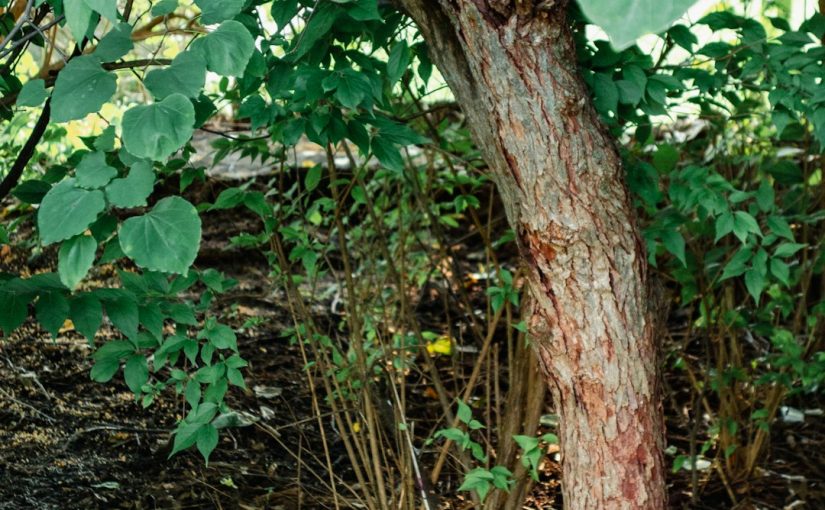
The variegated red-twig dogwood, often celebrated for its striking multi-colored foliage and vibrant red stems that enliven winter landscapes, is undeniably a showstopper in many garden designs. Cultivars like Cornus sericea ‘Variegata’ or ‘Hedgerows Gold’ offer a unique aesthetic appeal, combining creamy white or gold margins with a lush green center, complemented by the plant’s signature scarlet bark. This visual spectacle makes it a popular choice for gardeners seeking year-round interest. However, behind its undeniable beauty lie several horticultural challenges that potential growers should be aware of. While stunning, this particular variety of dogwood can present a range of problems, from specific cultural requirements to increased susceptibility to environmental stressors, pests, and diseases, making its cultivation more demanding than its plain green counterparts.
Environmental sensitivities
The unique aesthetics of variegated red-twig dogwood, particularly the lighter, often creamy-white portions of its leaves, come with inherent environmental sensitivities that can pose significant challenges for gardeners. Unlike their solid green counterparts, these lighter leaf sections lack chlorophyll, making them more vulnerable to intense solar radiation. This increased susceptibility often manifests as leaf scorch, where the white or yellow margins of the leaves turn brown and crisp, particularly during hot, sunny periods or in climates with strong afternoon sun. While the plant generally prefers full sun for optimal stem color, finding the right balance to protect the foliage can be tricky, often necessitating a location with partial afternoon shade in warmer zones.
Beyond sun exposure, moisture availability is a critical factor. Variegated dogwoods typically thrive in consistently moist, well-drained soil. They are not highly tolerant of drought conditions, which can quickly lead to leaf wilting, browning, and overall plant stress, making them more vulnerable to secondary issues. Conversely, poorly drained or waterlogged soils can lead to root rot, a serious fungal disease that can quickly devastate the plant. Extreme temperature fluctuations, particularly late spring frosts after new growth has emerged, can also damage tender, variegated foliage, causing browning and dieback.
Pest and disease vulnerabilities
The stresses induced by environmental factors often weaken variegated red-twig dogwoods, making them more susceptible to a range of common pests and diseases. While not inherently more prone to all ailments than other dogwoods, their compromised vigor can turn minor infestations or infections into significant problems. For instance, when stressed by drought or excessive sun, plants are more likely to succumb to fungal issues such as powdery mildew, which appears as a white, powdery coating on leaves, or various leaf spot diseases (e.g., Septoria leaf spot), characterized by dark lesions that can lead to premature defoliation. These fungal infections, while rarely fatal, significantly detract from the plant’s ornamental appeal.
Pest wise, variegated red-twig dogwoods can attract the usual suspects for dogwoods. Dogwood borers are particularly concerning, as their larvae tunnel into the stems, weakening the plant and potentially leading to branch dieback. Signs of borer activity include sawdust-like frass near holes in the bark and wilting branches. Aphids and scale insects can also become problematic, especially on stressed plants, feeding on sap and leading to stunted growth, distorted leaves, and the production of sticky honeydew, which can encourage sooty mold. Regular inspection and appropriate management are crucial to keep these issues in check.
Maintenance and aesthetic challenges
Maintaining the desired aesthetic qualities of a variegated red-twig dogwood often requires specific and sometimes demanding horticultural practices. One of the primary attractions of this plant is its vibrant red stems, which are most prominent on new growth. To encourage this brilliant winter color, annual hard pruning or coppicing in late winter or early spring is essential. This process involves cutting stems back severely, often to just a few inches from the ground. While effective, this can be intimidating for new gardeners and requires consistent effort. Failure to prune results in older, duller, often gray or brown stems, diminishing the plant’s signature winter appeal.
Another significant aesthetic challenge is the phenomenon of reversion. Many variegated cultivars are chimeras, meaning they have plant tissue with different genetic makeup. Occasionally, sections of the plant can revert to its plain green, non-variegated form, especially if under stress or from the rootstock. These vigorous green shoots often outcompete the variegated ones, leading to a loss of the desired multi-colored foliage. Prompt removal of any reverted green shoots is crucial to maintain the plant’s variegated character. Furthermore, the variegated nature of the leaves can sometimes be less stable than desired, with the variegation fading or becoming less distinct under certain growing conditions, impacting its visual impact.
Comparative challenges: Variegated vs. non-variegated cultivars
Understanding the specific issues with variegated red-twig dogwood is often best highlighted when compared to its solid green or other non-variegated counterparts. While all red-twig dogwoods share some general characteristics, the introduction of variegation creates a distinct set of vulnerabilities and maintenance demands.
Here’s a comparison of common challenges:
| Issue Category | Variegated Red-Twig Dogwood (e.g., ‘Variegata’) | Non-Variegated Red-Twig Dogwood (e.g., ‘Sibirica’) |
|---|---|---|
| Leaf Scorch / Sun Sensitivity | High: Lighter leaf areas lack chlorophyll, prone to browning in intense sun; requires partial shade in hot climates. | Low: Full green leaves are more tolerant of full sun, though extreme heat can still cause some stress. |
| Water Stress | Moderate-High: Prone to wilting and browning with inconsistent moisture; sensitive to both drought and waterlogging. | Moderate: Tolerant of a wider range of moisture conditions once established, but still prefers consistent moisture. |
| Pest & Disease Susceptibility | Moderate-High: Stressed plants more vulnerable; leaf spots and powdery mildew can be more unsightly on variegated foliage. | Moderate: Generally robust; less susceptible to severe outbreaks unless significantly stressed. |
| Reversion to Green | High: A common occurrence where green sectors outcompete variegated ones, requiring vigilant pruning. | Not Applicable: Uniform green foliage, no reversion issue. |
| Aesthetic Pruning Demand | High: Essential annual hard pruning for vibrant stem color and to manage reversion. | Moderate: Pruning for stem color is beneficial but less critical for overall plant health/appearance than in variegated types. |
| Overall Vigor | Moderate: Variegation can sometimes slightly reduce overall plant vigor compared to fully green counterparts. | High: Typically very vigorous and adaptable. |
As the table illustrates, while both types are beautiful, the variegated varieties often demand a more nuanced approach to siting and care. The specific vulnerabilities of the lighter leaf tissue, combined with the need for vigilant pruning to maintain both stem color and variegation, mark a clear distinction in their cultivation requirements.
In conclusion, while the variegated red-twig dogwood presents an undeniably captivating display of multi-season interest with its striking foliage and crimson stems, it is crucial for prospective growers to understand the specific challenges associated with its cultivation. From its increased susceptibility to environmental stressors like sun scorch and inconsistent moisture to its particular vulnerabilities to pests and diseases when stressed, this ornamental plant demands more than just casual attention. Moreover, the need for regular, often rigorous, pruning to maintain its vibrant stem color and prevent aesthetic issues like reversion adds to its maintenance demands. Successfully growing variegated red-twig dogwood hinges on informed choices regarding its siting – ideally a location offering morning sun and afternoon shade in hotter climates with consistently moist, well-drained soil – and a commitment to ongoing care. By acknowledging these potential pitfalls and proactively addressing them, gardeners can still enjoy the unique beauty this distinct variety brings to the landscape, transforming potential problems into manageable aspects of its rewarding cultivation.
Image by: Steve Johnson