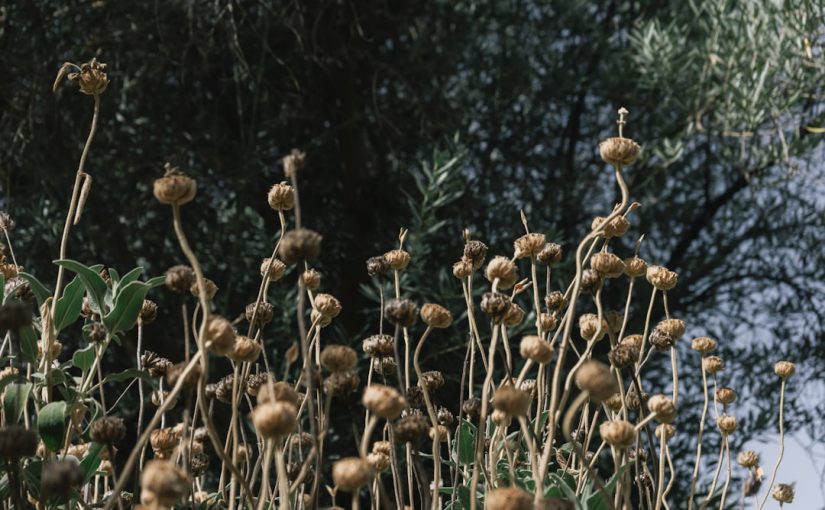
The gentle whisper of the wind often carries more than just sounds; it’s a silent courier for life itself, particularly for the incredible “seeds that float in air.” This phenomenon, known as anemochory, or wind dispersal, is one of nature’s most elegant and effective strategies for plant propagation. From the iconic fluffy parachutes of dandelions to the intricate winged designs of maple seeds, plants have evolved astonishing adaptations to harness air currents, ensuring their progeny can travel far and wide. Understanding these aerial voyagers offers a fascinating glimpse into evolutionary biology, ecological resilience, and even the principles of aerodynamics. We will delve into the ingenious mechanisms behind these airborne marvels, explore their diverse forms, and appreciate the profound impact they have on ecosystems across the globe.
The art of aerial seed dispersal: mechanisms at play
Nature’s engineers have perfected numerous strategies for launching seeds into the air, each meticulously adapted to specific environmental conditions and seed characteristics. These mechanisms primarily fall into a few distinct categories: those that create drag to slow descent, those that generate lift for gliding, and those so infinitesimally small they are practically dust. For instance, many seeds develop hair-like structures or plumes, collectively known as a pappus, which dramatically increase their surface area-to-volume ratio. This acts like a natural parachute, allowing them to drift on the lightest breeze. Think of the common dandelion, whose delicate, feathery crown can carry its tiny payload for miles.
Another sophisticated design is the winged seed, exemplified by the samaras of maple, ash, and pine trees. These seeds feature an asymmetrical wing that causes them to autorotate, much like a helicopter rotor, as they fall. This rotational motion slows their descent and allows them to catch horizontal air currents, effectively gliding away from the parent plant. The angle and shape of these wings are crucial for maximizing flight time and distance. Lastly, some plants, particularly orchids, produce seeds so minute—often no larger than a speck of dust—that they require no special appendages. Their sheer lightness allows them to be swept up by even the weakest updrafts, enabling long-distance dispersal and the colonization of new, often remote, habitats.
Masters of the wind: iconic examples of floating seeds
The plant kingdom is replete with exemplary seeds designed for aerial travel, each showcasing a unique solution to the challenge of dispersal. The Taraxacum officinale, commonly known as the dandelion, is perhaps the most universally recognized master of wind dispersal. Its achene, topped with a spherical tuft of bristles (the pappus), creates an aerodynamic structure that can sustain flight for significant durations, making it a prolific colonizer of disturbed land. Similarly, thistles employ a similar pappus mechanism, allowing their seeds to drift gracefully on air currents.
Maple and sycamore trees (genus Acer) provide another iconic example with their distinctive samaras. These single-winged seeds are marvels of natural engineering, spinning rapidly as they descend, slowing their fall and allowing the wind to carry them far from the parent tree. Studies have shown the precise angle and shape of these wings are optimized for maximum glide time. At the other end of the size spectrum are the seeds of orchids. These are among the smallest seeds in the world, often weighing less than a microgram. Lacking significant food reserves, they are essentially dust-like, enabling them to be carried vast distances by wind, crucial for their survival in diverse and often isolated ecosystems.
Here’s a comparison of some notable airborne seeds:
| Seed Type | Dispersal Mechanism | Average Seed Size (mm) | Typical Dispersal Distance |
|---|---|---|---|
| Dandelion | Pappus (parachute) | 1-3 | Meters to Kilometers |
| Maple (Samara) | Winged (glider) | 15-30 | Tens to Hundreds of Meters |
| Orchid | Dust-like | <0.5 | Kilometers |
| Thistle | Pappus (parachute) | 2-4 | Meters to Kilometers |
| Javan Cucumber (Alsomitra) | Gliding wing | 100-150 | Hundreds of Meters |
Beyond mere dispersal: the ecological impact and survival benefits
The ability of seeds to float in air offers far more than just a convenient way to move; it is a fundamental survival strategy with profound ecological implications. One primary benefit is the reduction of competition. By dispersing seeds away from the immediate vicinity of the parent plant, offspring avoid competing for light, water, and nutrients in an already established territory. This enhances the survival rate of young seedlings and allows the species to maximize its reproductive success.
Furthermore, wind dispersal is crucial for colonizing new habitats. Plants with airborne seeds are often the first to arrive and establish themselves in newly cleared areas, volcanic islands, or disturbed sites, playing a vital role in ecological succession and ecosystem recovery. This wide-ranging distribution also fosters genetic diversity across populations. Spreading genes over a large geographical area makes a species more resilient to localized environmental changes, diseases, or pest outbreaks. In environments prone to disturbances, such as fires, wind-dispersed seeds can quickly re-establish vegetation, preventing soil erosion and supporting the return of other flora and fauna. Without these remarkable aerial navigators, many plant communities would be far less robust, less widespread, and less capable of adapting to a constantly changing world.
Engineering inspiration: biomimicry from airborne seeds
The elegant designs of seeds that float in air have long captured the imagination of scientists and engineers, serving as powerful examples of biomimicry. By studying the natural aerodynamic principles at play, researchers are gaining insights that can inform the development of innovative human technologies. For instance, the autorotating flight of maple samaras has inspired new designs for drones and micro air vehicles (MAVs). Engineers are exploring how to create single-wing drones that can achieve stable, energy-efficient flight by mimicking the samara’s rotational descent, potentially leading to more compact and robust aerial surveillance or delivery systems.
Beyond drones, the drag-inducing structures of seeds like dandelions are influencing the design of more efficient dispersal mechanisms for various applications. This could include targeted delivery systems for medicine, sensors, or even reforestation efforts where seeds need to be scattered over vast, inaccessible terrains. The sheer lightness and minimal structure of orchid seeds, enabling extreme long-distance travel, spark ideas for ultra-lightweight probes or sensors that could be carried by natural air currents for environmental monitoring or atmospheric research. By emulating nature’s millennia-old solutions, engineers are finding novel ways to overcome modern challenges, proving that some of the most advanced designs can indeed be found in the humble seed.
The journey through the world of seeds that float in air reveals an astonishing array of evolutionary ingenuity. From the parachute-like pappus of dandelions and thistles to the intricate gliding wings of maple samaras, and the almost imperceptible dust-like seeds of orchids, nature has crafted countless solutions for aerial dispersal. These mechanisms are not merely fascinating displays of biomechanics; they are critical drivers of ecological balance, enabling plants to reduce competition, colonize new territories, and maintain genetic diversity essential for species survival. The profound lessons embedded in these natural designs continue to inspire human innovation, particularly in the field of biomimicry, where engineers seek to emulate nature’s efficiency for advancements in robotics, aerodynamics, and sustainable technologies. Ultimately, these tiny airborne voyagers remind us of the immense power and sophisticated elegance inherent in the natural world, a power that ensures life’s persistent spread across our planet.
Image by: Sol Ponce