The Peperomia orba, affectionately known as the Teardrop Plant, is a charming and relatively low-maintenance houseplant that has captured the hearts of plant enthusiasts worldwide. With its distinctive small, tear-shaped, variegated leaves often adorned with delicate red veins, it adds a subtle touch of elegance and verdant beauty to any indoor space. Native to the tropical rainforests, this compact plant thrives under specific conditions that mimic its natural habitat. Whether you’re a seasoned plant parent or just beginning your green journey, understanding the nuances of its care is key to ensuring its vitality and lush growth. This comprehensive guide will delve into every aspect of nurturing your Teardrop Plant, from providing optimal lighting to mastering watering techniques and addressing common challenges, helping you cultivate a thriving specimen.
Understanding your teardrop plant’s habitat needs
Replicating the Teardrop Plant’s native tropical environment is fundamental to its success. One of the most crucial elements is light. These plants prefer bright, indirect light. Imagine the dappled sunlight filtering through a rainforest canopy; that’s the ideal scenario. Placing your plant near an east or west-facing window where it receives gentle morning or late afternoon sun is often perfect. Direct, harsh midday sun, especially through a window, can scorch its delicate leaves, leading to faded colors or brown spots. Conversely, insufficient light will result in leggy growth, smaller leaves, and a dull appearance.
Temperature and humidity are also vital considerations. Teardrop Plants thrive in consistent room temperatures, ideally between 65°F to 80°F (18°C to 27°C). They are sensitive to sudden temperature fluctuations and cold drafts, so keep them away from open windows during winter or air conditioning vents. As denizens of humid environments, they appreciate higher moisture levels in the air. While they can tolerate average household humidity, providing a little extra can encourage more vigorous growth. This can be achieved by placing the plant on a pebble tray filled with water (ensuring the pot doesn’t sit directly in the water), grouping it with other plants, or using a humidifier, especially during dry winter months.
The art of watering and feeding
Mastering the watering routine is perhaps the most critical skill for a Teardrop Plant owner. These plants, like many peperomias, are susceptible to overwatering, which can quickly lead to root rot. Their semi-succulent leaves store water, making them somewhat drought-tolerant. The golden rule is to allow the top inch or two of the soil to dry out completely between waterings. To check, simply insert your finger into the soil. If it feels dry, it’s time to water; if it’s still damp, wait a few more days. When you do water, do so thoroughly until water drains from the bottom of the pot. Discard any excess water from the saucer to prevent the plant from sitting in standing water.
The right soil mix is equally important. A well-draining, airy substrate is essential to prevent waterlogging. A good general mix would be a combination of standard potting soil, perlite, and perhaps some coco coir or orchid bark to enhance drainage and aeration. Regarding nutrients, Teardrop Plants are not heavy feeders. During the growing season (spring and summer), you can fertilize them once a month with a balanced liquid houseplant fertilizer diluted to half strength. Avoid fertilizing during the fall and winter months when the plant’s growth naturally slows down. Over-fertilization can lead to nutrient burn and damage the roots.
Propagation and pruning for a fuller plant
Pruning your Teardrop Plant serves multiple purposes: it encourages bushier growth, maintains a desirable shape, and removes any leggy or damaged stems. You can prune at any time of year, but it’s often best done in spring or early summer when the plant is actively growing. Simply use clean, sharp scissors or pruners to snip off stems just above a leaf node. This encourages new growth to emerge from that point, leading to a denser plant.
The Teardrop Plant is incredibly easy to propagate, making it a rewarding experience for those looking to expand their collection or share with friends. Stem cuttings are the most common method:
- Choose a healthy stem segment about 3-4 inches long with at least 2-3 leaves.
- Remove the bottommost leaves, leaving a bare stem of about an inch.
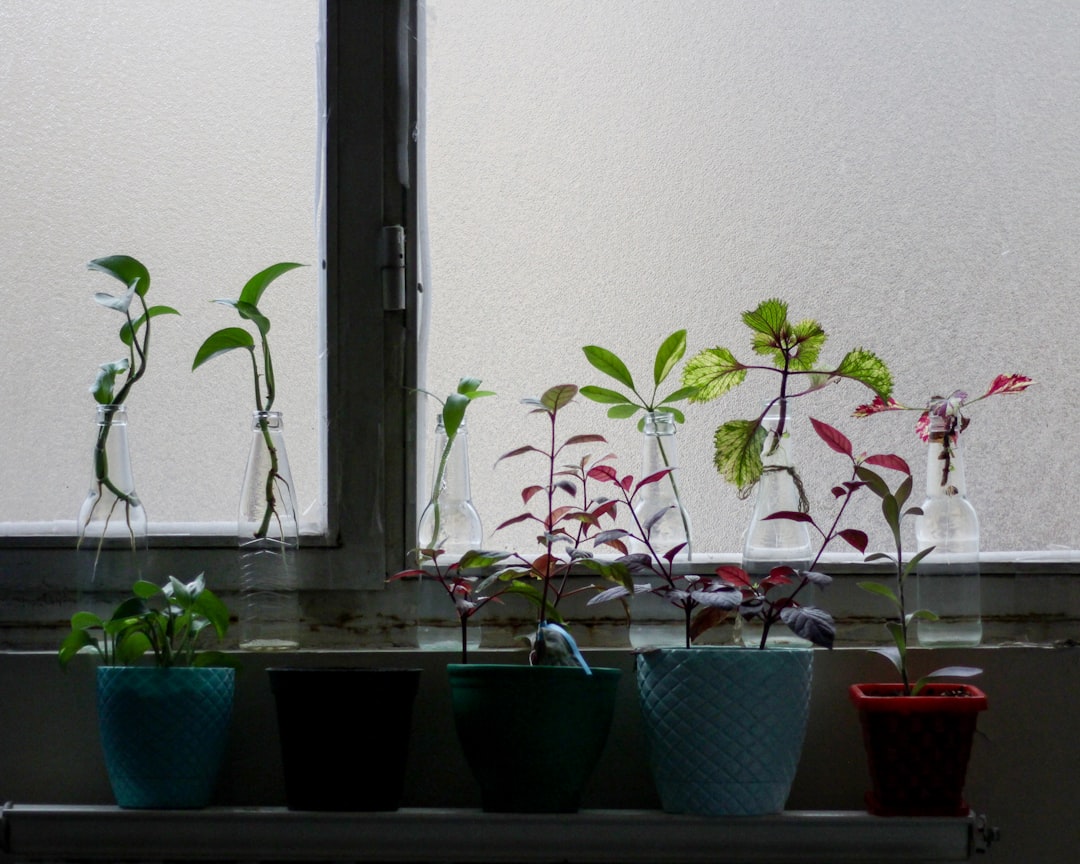
- Water propagation: Place the cut end in a small glass of water, ensuring no leaves are submerged. Change the water every few days. Roots should appear within a few weeks.
- Soil propagation: Plant the cutting directly into a small pot filled with a well-draining potting mix. Keep the soil consistently moist but not waterlogged. Covering the pot with a plastic bag can create a humid mini-greenhouse, aiding root development.
Once roots are established (typically 4-6 weeks for water propagation, or when new growth appears for soil propagation), you can transplant your new plant into its permanent home.
Troubleshooting common teardrop plant problems
While generally robust, Teardrop Plants can occasionally face issues. Early identification and intervention are key to their recovery. Here’s a quick reference for common problems:
| Symptom | Possible Cause | Solution |
|---|---|---|
| Yellowing leaves | Overwatering, poor drainage, nutrient deficiency | Allow soil to dry out, check drainage, consider light fertilization |
| Wilting or droopy leaves | Underwatering, root rot (from overwatering) | Check soil moisture; water if dry. If soil is wet, inspect for root rot. |
| Brown leaf tips/edges | Low humidity, underwatering, excessive fertilizer | Increase humidity, adjust watering, flush soil, reduce fertilizer |
| Small, stunted growth | Insufficient light, lack of nutrients, rootbound | Move to brighter spot, fertilize (if needed), repot |
| Faded or scorched leaves | Too much direct sunlight | Move to an area with brighter, indirect light |
Pests are another concern, though Teardrop Plants are relatively resilient. Spider mites and mealybugs are the most common culprits. Regularly inspect the undersides of leaves and stems for any signs of these tiny invaders. If detected, isolate the plant and treat with insecticidal soap or neem oil, following product instructions carefully. Repeated applications may be necessary to fully eradicate the pests. Good air circulation and avoiding overly dry conditions can also help deter spider mites.
Caring for your Peperomia orba, the captivating Teardrop Plant, is a truly rewarding experience that enriches any indoor garden. By consistently adhering to its fundamental needs for bright, indirect light, appropriate watering, and well-draining soil, you lay the groundwork for a flourishing plant. Remember the importance of maintaining stable temperatures and considering humidity to mimic its tropical origins. Regular pruning not only keeps your plant looking its best but also provides opportunities for propagation, allowing you to easily expand your collection or share its beauty. While troubleshooting common issues like yellowing leaves or pest infestations may arise, armed with the knowledge from this guide, you can confidently address them. With a little attention and consistent care, your Teardrop Plant will undoubtedly thrive, offering its unique charm and vibrant foliage for years to come, a testament to thoughtful plant parenting.
Image by: Naoki Suzuki