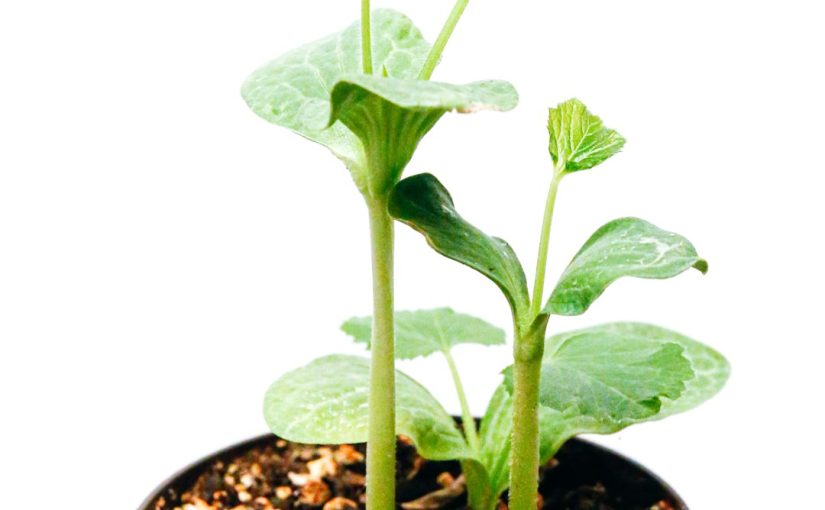
The advantages of polyploidy in plants
Polyploidy, a fascinating biological phenomenon characterized by the presence of more than two complete sets of chromosomes in an organism’s cells, plays a profoundly significant role in plant evolution and diversification. Far from being a mere genetic anomaly, this multiplication of entire chromosome sets often confers distinct evolutionary and physiological advantages, shaping plant genomes and influencing their adaptive capabilities across diverse environments. Understanding these benefits is crucial for appreciating the remarkable resilience and adaptability of the plant kingdom, as well as for harnessing its potential in agricultural innovation. This article will delve into the primary advantages that polyploidy bestows upon plants, from enhanced vigor to novel trait development and increased environmental resilience.
Enhanced vigor and biomass production
One of the most immediate and observable advantages of polyploidy in plants is the phenomenon often referred to as ‘gigantism’ or enhanced vigor. Polyploid plants frequently exhibit larger cells, leading to larger organs, broader leaves, thicker stems, and ultimately, an overall increase in biomass and yield compared to their diploid progenitors. This increased cell size is a direct consequence of having multiple chromosome sets, which can result in larger nuclei and cell volumes. For instance, many common agricultural crops, such as wheat, cotton, and strawberries, are polyploid and renowned for their impressive yields and robust growth. The increased genetic dosage can lead to higher expression levels of beneficial genes, improved metabolic efficiency, and a broader genetic buffer that often translates into a more vigorous and productive plant phenotype. This ‘hybrid vigor’ or heterosis, while also present in diploid hybrids, is often amplified and stabilized in polyploid varieties.
Increased resilience and stress tolerance
Beyond mere size, polyploidy significantly contributes to a plant’s ability to withstand various environmental stresses. The presence of multiple copies of genes provides a powerful buffer against the deleterious effects of mutations. If one copy of a gene is mutated or becomes non-functional, redundant copies can often compensate, maintaining essential biological processes. This genetic redundancy also offers increased flexibility for gene evolution; one copy can retain its original function while another copy undergoes mutation and potentially develops a new function (neofunctionalization) or specializes in a sub-function (subfunctionalization). This adaptive plasticity is particularly beneficial in challenging environments. Polyploid plants often demonstrate enhanced tolerance to abiotic stresses such as drought, salinity, extreme temperatures, and heavy metals, as well as biotic stresses like disease pathogens and pest infestations. For example, polyploid Miscanthus species show superior tolerance to cold and drought compared to diploid relatives, making them promising candidates for bioenergy crops in marginal lands.
Novel traits and diversification
Polyploidy acts as a powerful engine for evolutionary innovation, providing the raw genetic material necessary for the development of entirely new traits and the diversification of plant lineages. With duplicated sets of genes, plants gain an expanded genetic toolkit. This redundancy allows for genes to diverge without immediately losing essential functions, paving the way for the emergence of novel metabolic pathways, morphological features, and physiological adaptations. Many desirable traits in cultivated plants, such as seedlessness in some grapes and watermelons, increased fruit size, or enhanced nutritional content, are direct or indirect outcomes of polyploidization events. The ability to create new combinations of genes from different ancestral species through allopolyploidy (where chromosomes from two different species are combined) further accelerates this process, opening up vast avenues for the generation of biodiversity and the creation of entirely new species. This genetic flexibility is a cornerstone of plant breeding efforts, allowing for the selection and stabilization of desirable characteristics that might be unstable or absent in diploid counterparts.
| Trait | Diploid Characteristics | Polyploid Characteristics |
|---|---|---|
| Cell size | Smaller | Larger |
| Plant size/Biomass | Generally smaller, lower yield | Often larger, higher yield (e.g., modern wheat vs. ancestral wheat) |
| Genetic redundancy | Low | High (buffer against mutations) |
| Stress tolerance | Varies, potentially less robust | Often enhanced (drought, disease) |
| Novel trait potential | Limited by single gene copies | Significant (gene duplication for new functions) |
Reproductive advantages and speciation
The reproductive dynamics of polyploid plants offer unique advantages, particularly in the context of speciation and overcoming interspecies sterility. Polyploidy can facilitate the formation of new species, often more rapidly than in diploid organisms. Autopolyploidy (where chromosome sets are duplicated within a single species) can lead to reproductive isolation from the diploid ancestors, initiating a new species. Allopolyploidy, arising from the hybridization of two different diploid species followed by chromosome doubling, is an especially potent mechanism for speciation. The doubling of chromosomes in a sterile interspecific hybrid restores homologous pairing during meiosis, making the hybrid fertile. This process has been pivotal in the evolution of numerous crop species, such as Triticale, a fertile hybrid of wheat (Triticum) and rye (Secale). This ability to combine and stabilize entire genomes from distinct species not only fuels rapid speciation but also allows plant breeders to transfer desirable traits from wild relatives into cultivated crops, broadening the genetic base for agricultural improvement and creating entirely new crop types.
In summary, the phenomenon of polyploidy represents a profound evolutionary strategy that has endowed plants with a remarkable suite of advantages. From the enhanced vigor and increased biomass production seen in many staple crops to the heightened resilience against environmental stressors like drought and disease, polyploidy fundamentally shapes plant physiology and adaptability. It serves as a vital wellspring for evolutionary innovation, facilitating the development of novel traits and driving the diversification of plant species through genetic redundancy and the potential for neofunctionalization. Furthermore, its crucial role in overcoming interspecific sterility and accelerating speciation underscores its importance in shaping the rich tapestry of plant biodiversity. Embracing a deeper understanding of polyploidy’s mechanisms and benefits is not only academically enriching but also indispensable for advancing sustainable agriculture, breeding more resilient crops, and ensuring food security in a changing world.
Image by: Suri Huang