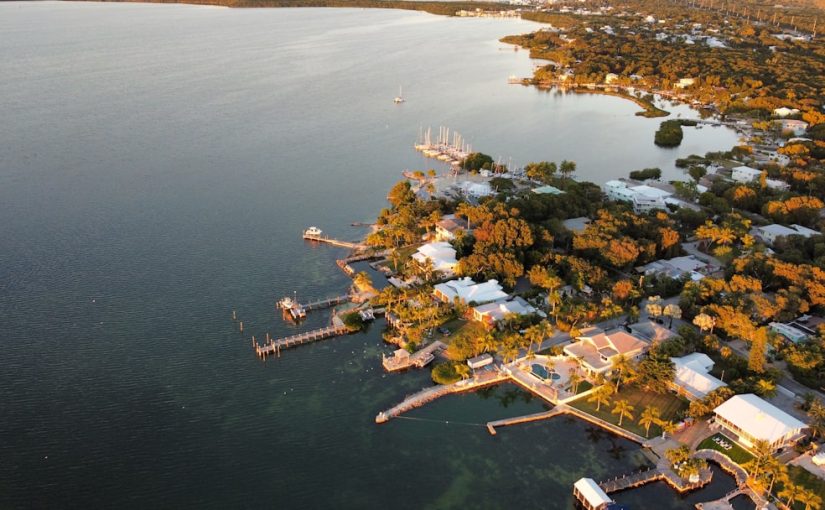
A pristine lakefront is the dream of many property owners – a tranquil haven for relaxation, recreation, and aesthetic appeal. However, this idyllic vision can quickly be marred by the unwelcome proliferation of aquatic weeds. These plants, while a natural part of any aquatic ecosystem, can become a significant nuisance when they grow unchecked, hindering swimming, boating, fishing, and even diminishing property values. Addressing this common challenge effectively requires a thoughtful and informed approach. This article delves into the most effective strategies for cleaning weeds out of a lakefront, exploring various methods from manual removal to advanced biological solutions, ensuring your waterfront remains a beautiful and functional space.
Understanding your aquatic adversaries: Identifying common lake weeds
Before embarking on any weed removal endeavor, it is crucial to accurately identify the specific types of aquatic plants plaguing your lakefront. Different weeds respond to different treatments, and a misdiagnosis can lead to ineffective efforts or even unintended environmental consequences. Common culprits include submerged weeds like Eurasian watermilfoil, characterized by its feathery leaves, which can form dense mats, and curly-leaf pondweed, recognizable by its wavy, translucent leaves. Emergent weeds, such as cattails and lily pads, rise above the water’s surface, often creating visual barriers and habitat for unwanted insects. Filamentous algae, appearing as slimy green mats or strands, is another frequent visitor. Understanding the growth patterns, root systems, and life cycles of these plants is the first critical step toward successful and sustainable management.
Manual and mechanical removal methods: Hands-on solutions
For many lakefront owners, especially those with smaller areas or a preference for eco-friendly solutions, manual and mechanical removal methods are often the first line of defense. These techniques involve physically extracting weeds from the water. Hand-pulling, particularly effective for younger plants or smaller infestations, allows for targeted removal and minimal disturbance to the surrounding ecosystem. Specialized tools such as long-handled rakes, weed cutters, or aquatic weed nets can significantly aid in this process, especially for submerged weeds. Another increasingly popular mechanical method is the use of lake weed rollers or cutters, which can be deployed from a dock or boat to physically shear or uproot weeds over a larger area. While labor-intensive, these methods offer immediate results and avoid the introduction of chemicals, making them ideal for maintaining swimming areas and boat paths.
Biological and natural approaches: Harnessing nature’s helpers
Beyond direct physical removal, several biological and natural strategies offer longer-term solutions for weed control, often with less ongoing effort. One such approach involves the use of bottom barriers, also known as aquatic weed mats. These impermeable fabrics are laid directly on the lakebed, suppressing weed growth by blocking sunlight and physically preventing plants from rooting. They are highly effective for specific areas, like swimming zones or dock perimeters, and are environmentally benign. Another biological option, though requiring careful consideration and often permits, is the introduction of triploid grass carp. These sterile fish feed voraciously on submerged vegetation, providing a natural grazing solution. Aeration systems, while primarily used to improve water quality and reduce algae, can also indirectly discourage certain weed species by altering the aquatic environment. Implementing an integrated strategy that combines these natural methods can lead to a healthier, more balanced lakefront ecosystem.
Strategic choices for weed removal methods
Choosing the right method for lakefront weed removal involves weighing various factors, including the type of weed, the size of the infested area, budget, labor availability, and environmental concerns. An informed decision ensures both effectiveness and sustainability.
| Method | Effectiveness | Labor Intensity | Cost | Environmental Impact |
|---|---|---|---|---|
| Hand-Pulling/Raking | High for small areas | High | Low | Minimal |
| Bottom Barriers | High for targeted areas | Medium | Medium | Minimal |
| Aquatic Weed Rollers/Cutters | Medium-High for submerged weeds | Medium | Medium-High | Low |
| Grass Carp (Biological) | Medium-High for specific weeds | Low (after initial stocking) | Medium | Low (if regulated) |
Chemical treatments: When and how to use them responsibly
For severe infestations or particularly aggressive weed species, chemical treatments (herbicides) may be considered, though they should generally be a last resort due to potential environmental impacts. It is absolutely imperative to understand that using aquatic herbicides requires permits from relevant local and state authorities. Improper application can harm fish, other aquatic life, and even human health. If chemical treatment is deemed necessary, always consult with a licensed aquatic weed control specialist. They can identify the correct herbicide for your specific weed problem, calculate the appropriate dosage, and ensure its safe and legal application. Herbicides work by targeting specific plant processes, and their effectiveness depends on factors like water temperature, weed species, and proper coverage. While they can offer rapid and extensive control, responsible use and understanding of their implications are paramount for maintaining a healthy lake ecosystem.
Effectively cleaning weeds out of a lakefront is a multifaceted endeavor that demands careful planning and an understanding of both the problem and the available solutions. From identifying the specific aquatic adversaries to employing a range of manual, mechanical, biological, or, if absolutely necessary, chemical methods, each approach has its place. The key lies in adopting an integrated management strategy – one that balances immediate results with long-term ecological health. By prioritizing environmentally sound practices and considering the unique characteristics of your lakefront, you can restore and maintain its beauty and functionality. A clean, healthy lakefront not only enhances recreational enjoyment and property value but also contributes to the overall well-being of the aquatic ecosystem, ensuring a pristine environment for generations to come.
Image by: Greg Garnhart