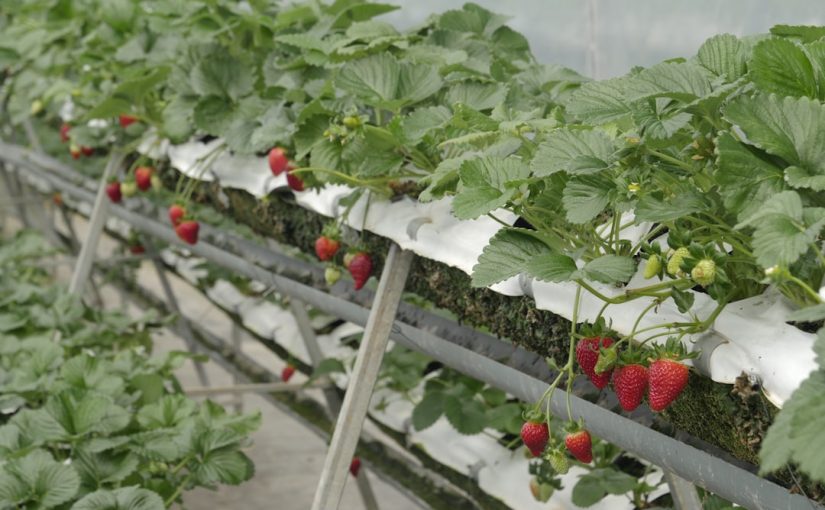
For many home gardeners and commercial growers alike, cultivating delicious, plump strawberries is a rewarding endeavor. However, unlocking their full potential requires understanding a crucial environmental factor: temperature. Strawberries are surprisingly sensitive to temperature fluctuations throughout their growth cycle, from the moment tiny roots begin to form to the final stages of fruit ripening. The ideal temperature range profoundly impacts everything from flower development and pollination success to the size, sweetness, and overall yield of your harvest. Mastering this delicate balance is not just about avoiding extremes; it’s about optimizing conditions to encourage robust growth, vibrant fruiting, and the exquisite flavor that fresh strawberries are famous for. This article will delve into the precise temperature requirements at each stage, helping you cultivate healthier plants and more abundant harvests.
Understanding strawberry temperature needs through growth stages
Strawberry plants undergo distinct physiological changes throughout their lifecycle, each with specific temperature requirements that dictate their health and productivity. Initially, after planting or emerging from dormancy, the plant focuses on vegetative growth. During this phase, typically in early spring, cooler temperatures between 50-70°F (10-21°C) are ideal. This encourages strong root development and the production of healthy foliage, which is essential for future photosynthesis. As the plant transitions to flowering, the temperature window becomes more critical. Sustained temperatures around 60-75°F (15-24°C) are optimal for flower bud initiation and successful pollination. Temperatures outside this range can lead to deformed flowers or poor fruit set.
Once pollination occurs, the plant shifts its energy towards fruit development. For ripening, strawberries generally prefer a slightly warmer but still moderate environment, ideally between 65-80°F (18-27°C). Prolonged exposure to temperatures much higher than this can result in softer, less flavorful berries with reduced sugar content, as the plant struggles with heat stress. Conversely, consistently cool temperatures during ripening will slow down the process considerably and may prevent the fruit from developing its full flavor and color. Understanding these stage-specific needs allows growers to anticipate and manage their environment more effectively.
The critical role of soil and air temperatures
When discussing the ideal temperature for strawberries, it is important to distinguish between air temperature and soil temperature, as both play pivotal but distinct roles. Air temperature directly influences processes like photosynthesis, transpiration, flower development, and fruit ripening. Optimal air temperatures ensure the plant’s metabolic functions operate efficiently, allowing it to produce the energy needed for growth and fruit production. Too hot, and the plant may shut down or go into survival mode; too cold, and growth slows to a crawl.
Soil temperature, however, is equally crucial, directly impacting root health, nutrient uptake, and water absorption. Strawberry roots thrive in a soil temperature range of approximately 55-75°F (13-24°C). When the soil is too cold, root activity diminishes, leading to poor nutrient absorption and stunted growth. Conversely, overly hot soil can stress the roots, making them susceptible to disease and impairing their ability to take up water. Using mulch, such as straw or pine needles, is an excellent strategy to help regulate soil temperature, keeping it cooler in hot weather and providing insulation in colder periods, while also conserving moisture.
Mitigating temperature extremes: heat and cold stress
Strawberries, while resilient, are vulnerable to temperature extremes. Both excessive heat and severe cold can significantly impact yield and fruit quality.
Heat Stress:
When air temperatures consistently exceed 85°F (29°C), strawberries can suffer from heat stress. This manifests as:
- Poor pollination: Pollen can become infertile, leading to misshapen or fewer fruits.
- Soft, pale fruit: High heat speeds up ripening but often results in berries that are less firm, less sweet, and have a diminished color.
- Increased water demand: Plants wilt quickly, requiring more frequent irrigation.
- Sunscald: Direct, intense sun can burn the fruit and leaves.
Mitigation strategies include providing shade cloth during the hottest parts of the day, ensuring consistent moisture through drip irrigation, and even misting the plants during extreme heat events.
Cold Stress:
Conversely, temperatures dropping below 32°F (0°C), especially during flowering or fruiting, can cause severe damage.
- Frost damage to flowers: The reproductive parts of the flower are very sensitive to frost, often turning black and preventing fruit development.
- Damage to young fruit: Developing berries can be ruined by freezing temperatures, becoming discolored and soft.
- Stunted growth: Prolonged cold can hinder overall plant development.
Protection measures include covering plants with row covers or blankets when frost is predicted, ensuring adequate soil moisture (wet soil holds heat better), and selecting cold-hardy varieties if you live in a region prone to late frosts.
Cultivar selection and regional climate considerations
The vast array of strawberry cultivars offers growers a significant advantage in adapting to varying climatic conditions. Selecting the right variety for your specific region is paramount to success. Different types of strawberries exhibit varying tolerances to heat and cold, as well as distinct fruiting habits:
- June-bearing strawberries: These produce a single, large crop over a few weeks in late spring to early summer. They generally require a period of cold dormancy and are well-suited to temperate climates with distinct seasons.
- Ever-bearing strawberries: While not truly “ever-bearing,” these varieties typically produce two main crops: one in spring and another in late summer/early autumn. They tolerate a broader range of temperatures but may not perform as well in extremely hot climates.
- Day-neutral strawberries: These varieties produce fruit continuously throughout the growing season as long as temperatures remain between 35-85°F (2-29°C), regardless of day length. They are excellent for regions with longer, more moderate growing seasons and can even be grown in containers for greater temperature control.
When choosing a cultivar, consider your USDA hardiness zone or local climate averages, as well as the typical occurrence of temperature extremes. Local nurseries often stock varieties best suited for the immediate area, providing a good starting point for selection. Furthermore, understanding your garden’s microclimates – areas that are sunnier, shadier, or more protected – can also help you place specific varieties where they will thrive best.
Here’s a quick reference for ideal temperature ranges:
| Growth Stage | Air Temperature Range | Soil Temperature Range |
|---|---|---|
| Dormancy (Winter) | <32°F (0°C) required for chilling | <32°F (0°C) |
| Vegetative Growth (Early Spring) | 50-70°F (10-21°C) | 55-75°F (13-24°C) |
| Flowering & Pollination | 60-75°F (15-24°C) | 60-75°F (15-24°C) |
| Fruit Development & Ripening | 65-80°F (18-27°C) | 65-80°F (18-27°C) |
| Heat Stress Threshold | >85°F (29°C) | >85°F (29°C) |
| Frost Damage Threshold | <32°F (0°C) | <32°F (0°C) |
Conclusion
Ultimately, achieving a bountiful and flavorful strawberry harvest hinges significantly on understanding and managing temperature throughout every phase of the plant’s life cycle. We’ve explored how ideal air and soil temperatures facilitate everything from robust root development in the vegetative stage to successful pollination, and finally, the luscious ripening of berries. From the cooler embrace of early spring encouraging foliage growth to the moderate warmth necessary for sweet fruit development, each stage has its precise thermal sweet spot. Recognizing and responding to temperature extremes, whether through protective covers against frost or shade cloth during heatwaves, is crucial for mitigating stress and preventing crop loss. Furthermore, the strategic selection of cultivars tailored to your specific regional climate can dramatically enhance your chances of success. By diligently monitoring conditions and implementing appropriate strategies, gardeners can cultivate thriving strawberry plants, ensuring a continuous supply of their deliciously sweet, homegrown fruits.
Image by: Soo Ann Woon