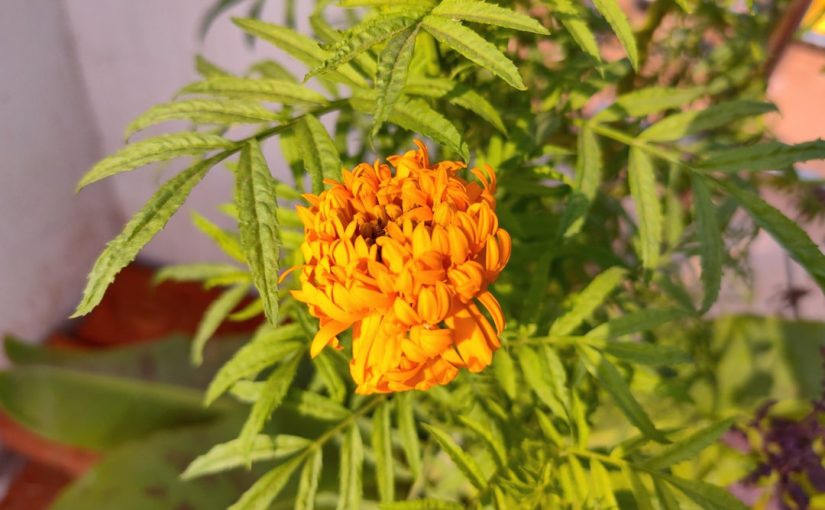
Delving into the journey of a marigold offers a fascinating glimpse into the rhythms of nature, a testament to life’s persistent cycle. From a humble seed to a vibrant, sun-kissed bloom, each stage of this popular annual flower’s existence is a marvel of biological engineering. Understanding these distinct phases is not merely an academic exercise; it empowers gardeners to cultivate healthier, more prolific plants, ensuring a continuous display of their cheerful presence. This exploration will guide you through the intricate development of a marigold, dissecting its growth from germination to glorious bloom and eventual seed production, providing insights that transform casual observation into profound appreciation for these resilient garden staples.
The inception: seed to sprout
The life cycle of a marigold, like many annuals, begins in a state of suspended animation within a tiny, often dark-colored seed. Each seed is a miniature package of potential, containing an embryo, a food supply (endosperm), and a protective outer coat. For germination to occur, several critical environmental factors must align: adequate moisture, warmth, and in some cases, light. Marigold seeds typically germinate best in temperatures between 65-75°F (18-24°C).
Once conditions are favorable, the seed imbibes water, causing it to swell. This activates enzymes within the seed, converting stored food into energy for growth. The first visible sign of life is the emergence of the
Vegetative vigor: root and foliage development
Following the successful emergence of cotyledons, the marigold enters its vegetative growth phase, a period primarily dedicated to developing a strong root system and robust foliage. As the cotyledons perform photosynthesis, the first set of
Simultaneously, the root system expands both in depth and lateral spread, seeking out water and nutrients from the soil. A healthy root system is paramount for nutrient uptake and anchoring the plant, allowing it to withstand environmental stresses. The stem also elongates and thickens, providing structural support for the increasing biomass of leaves and future flowers. During this phase, which can span several weeks, the plant focuses its energy on vegetative growth, ensuring it has enough resources to support the forthcoming reproductive stage. Adequate sunlight, consistent moisture, and balanced nutrients are vital to encourage vigorous, bushy growth.
The glorious bloom: flowering and pollination
The culmination of the marigold’s vegetative efforts is the initiation of its reproductive phase: flowering. This stage typically begins 6-8 weeks after germination, depending on the variety and growing conditions. Small, green flower buds first appear at the tips of stems and in leaf axils. As these buds swell, they slowly reveal the vibrant hues of the developing petals.
Marigold flowers, often mistakenly called a single flower, are actually composite flowers belonging to the Asteraceae family. Each “flower” is an inflorescence, meaning it is composed of numerous smaller florets clustered together. The brightly colored outer florets are typically
Pollination, primarily carried out by bees, butterflies, and other beneficial insects, is essential for seed production. Pollen from the anthers of one floret is transferred to the stigma of another, leading to fertilization. The vibrant colors (yellow, orange, red) and often spicy fragrance of marigolds act as powerful lures for these pollinators, ensuring the successful continuation of the species. This period of peak bloom is when marigolds offer their full aesthetic glory to the garden.
Fruition and decline: seed production and senescence
Following successful pollination and fertilization, the marigold transitions into its final reproductive phase: seed production. The fertilized ovules within the flower’s ovary begin to develop into seeds. The flower head, no longer needing to attract pollinators, starts to dry and shrivel. The petals may fade and drop off, revealing a developing seed head. Within this protective structure, the seeds mature over several weeks, gradually hardening and changing color, often becoming darker as they reach viability. During this period, the plant diverts significant energy from producing new flowers to ripening these seeds.
As the plant expends its resources on seed development, it naturally begins to exhibit signs of senescence, or aging. The leaves may start to yellow, and the overall vigor of the plant diminishes. For annual marigolds, this decline is a natural conclusion to their life cycle. Once the seeds are fully mature, the seed heads can be harvested, or they may naturally disperse their seeds into the soil, setting the stage for a new generation the following spring. The plant will eventually wither and die, having completed its purpose of reproduction. This cycle of growth, bloom, and seed production ensures the marigold’s enduring presence in gardens worldwide.
Here’s a general timeline for marigold growth:
| Life Stage | Typical Duration (after sowing) | Key Characteristics |
|---|---|---|
| Seed Germination | 5-10 days | Radicle emergence, cotyledons appear |
| Vegetative Growth | 3-5 weeks | True leaf development, stem elongation, root expansion |
| Bud Formation | 1-2 weeks | Small flower buds visible |
| Flowering | 6-8 weeks post-germination (first bloom) | Peak vibrancy, attracts pollinators |
| Seed Production & Senescence | Varies (weeks after pollination) | Flower fading, seed head development, plant decline |
The journey of a marigold, from a dormant seed to a magnificent flowering plant and back to seed, is a testament to the elegant simplicity and profound efficiency of nature’s design. We have explored each distinct phase: the initial spark of germination, the robust development of roots and foliage, the vibrant display of its composite blooms, and finally, the vital process of seed production and the inevitable decline. Understanding these life stages not only deepens our appreciation for these resilient garden flowers but also equips us with the knowledge to nurture them effectively. By providing optimal conditions at each stage, we can ensure a continuous cycle of beauty and life in our gardens, fostering healthier plants and a greater connection to the natural world. Embracing the marigold’s full life cycle allows us to partake in a small yet significant way in the grand tapestry of botanical existence.
Image by: Prashant Vishwakarma