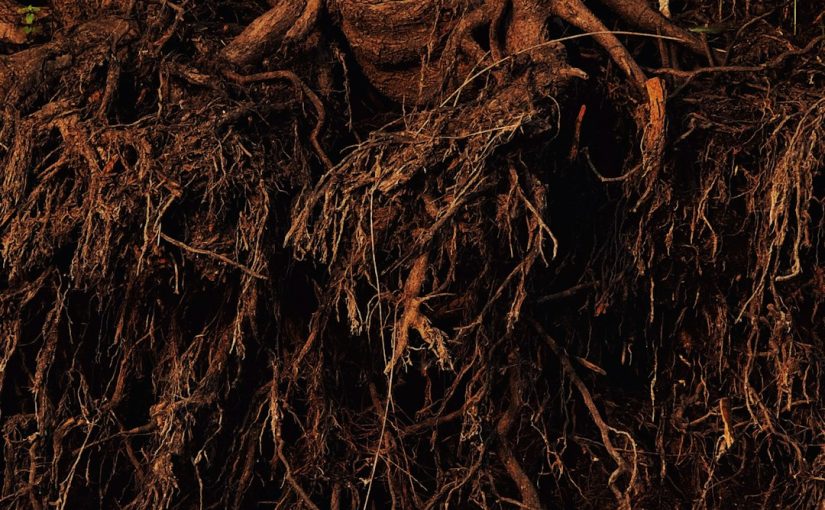
While often mistaken for trees, banana plants are actually giant herbs, and their remarkable root system is a testament to their unique botanical classification. Far from the deep taproots of conventional trees, the banana’s subterranean network is a marvel of efficiency and adaptation, crucial for its rapid growth, prolific fruiting, and continuous propagation. Understanding the intricate structure and function of the banana tree root system is key to appreciating its resilience and the agricultural practices that support its cultivation worldwide. This article will delve into the specific anatomy of these roots, exploring their vital roles in anchoring the plant, absorbing nutrients, and facilitating the plant’s fascinating reproductive cycle. Join us as we uncover the hidden foundation beneath this iconic tropical produce.
The unique anatomy of banana tree roots
Unlike many fruit-bearing plants, the banana plant (genus Musa) does not develop a true woody trunk or a single taproot. Instead, its underground structure is dominated by a robust, fleshy organ known as a corm or rhizome. This corm is essentially a swollen, underground stem that serves as the plant’s central hub, storing starches and nutrients. From this central corm, a network of fibrous, adventitious roots sprouts outwards and downwards. These roots are not branches of a primary root but rather emerge directly from the corm, forming a dense mat that anchors the plant and absorbs essential resources.
The corm itself is crucial for the plant’s perennial nature. Although the visible “pseudostem” (the part above ground that produces leaves and fruit) dies back after fruiting, the corm remains viable, producing new shoots or “pups” that will grow into new banana plants. This vegetative propagation is entirely dependent on the health and vitality of the corm and its associated root system. The roots emanating from the corm are generally shallow but spread extensively, an adaptation that allows them to quickly capture water and nutrients from the upper soil layers.
Functions of the root system: anchoring, absorption, and stability
The primary functions of the banana root system are multifaceted and critical for the plant’s survival and productivity. Firstly, anchoring is paramount. Despite their herbaceous nature, banana plants can grow quite tall, with heavy fruit bunches. The extensive, fibrous root mat, radiating from the corm, provides the necessary stability to withstand strong winds and the sheer weight of the developing fruit. Without a robust root system, the plant would be highly susceptible to toppling.
Secondly, nutrient and water absorption is a ceaseless task. Banana plants are heavy feeders and require copious amounts of water. Their adventitious roots are highly efficient at extracting these vital resources from the soil. The numerous root hairs significantly increase the surface area for absorption, enabling rapid uptake of water and dissolved minerals. This continuous supply of nutrients powers the banana plant’s incredibly fast growth rate and supports the energy-intensive process of fruit development. The roots also play a role in gas exchange, albeit a secondary one compared to leaves.
Thirdly, the root system contributes to the plant’s overall resilience and regeneration. As mentioned, the corm acts as a storage organ, allowing the plant to recover from environmental stresses or to initiate new growth after the parent pseudostem has finished its life cycle. The adventitious roots also contribute to the plant’s ability to recover from damage, as new roots can rapidly form from the corm to replace compromised sections.
Root depth, spread, and environmental influences
The root system of a banana plant is typically characterized by its shallow depth and broad lateral spread. While some roots can penetrate to a depth of 75-100 cm (30-40 inches) under ideal conditions, the majority of the active feeder roots are concentrated within the top 30-45 cm (12-18 inches) of the soil. Laterally, the roots can extend outwards by as much as 3 to 5 meters (10 to 16 feet) from the base of the pseudostem, often well beyond the drip line of the leaves.
Several environmental factors significantly influence the development and efficiency of the banana root system:
- Soil type: Well-drained, fertile loamy soils are ideal. Heavy clay soils can restrict root penetration and aeration, leading to shallow, less efficient roots. Sandy soils, while allowing good penetration, may not retain enough moisture or nutrients.
- Moisture availability: Consistent moisture is crucial. Water stress significantly inhibits root growth and function. However, waterlogging is detrimental, as it deprives roots of oxygen, leading to root rot.
- Nutrient availability: Adequate levels of macronutrients (nitrogen, phosphorus, potassium) and micronutrients are essential for healthy root development. Deficiencies can lead to stunted root systems and reduced plant vigor.
- Soil temperature: Banana roots thrive in warm soil temperatures, typically between 20-30°C (68-86°F). Extreme temperatures, especially cold, can severely impede root activity and growth.
Understanding these influences is vital for cultivators, as optimizing soil conditions directly translates to a more robust root system and, consequently, healthier, more productive banana plants.
| Characteristic | Typical Range | Notes |
|---|---|---|
| Maximum Depth | 75 – 100 cm (30 – 40 inches) | Under optimal soil conditions; deep roots are less common. |
| Active Feeder Root Depth | 30 – 45 cm (12 – 18 inches) | Where most nutrient and water absorption occurs. |
| Lateral Spread | 3 – 5 meters (10 – 16 feet) | Can extend well beyond the visible pseudostem. |
| Root Type | Adventitious, Fibrous | Emerge directly from the corm; no central taproot. |
Propagation and the continuous life cycle of the banana plant
The banana plant’s root system, particularly the corm, is intrinsically linked to its method of reproduction: vegetative propagation. New banana plants, commonly referred to as “pups” or “suckers,” emerge directly from buds on the underground corm. Each pup develops its own independent root system that connects to the parent corm initially, but eventually becomes self-sufficient. This natural cloning process is how banana plantations are established and maintained, ensuring genetic consistency across generations.
There are generally two types of pups: “sword suckers” which have narrow leaves and a strong connection to the corm, making them ideal for propagation due to their robust root development; and “water suckers” which have broader leaves and a weaker root system, often considered less suitable. The removal of excess pups, known as “desuckering,” is a common horticultural practice to concentrate the plant’s energy into developing a single, strong pseudostem and its fruit bunch, preventing competition for the limited resources absorbed by the shared root system.
This continuous life cycle, where a parent corm can produce multiple successive generations of plants, highlights the extraordinary efficiency and adaptive strategy encoded within the banana plant’s root architecture. It underscores why a healthy corm and robust root network are not just about individual plant vigor, but also about the sustainability and productivity of the entire banana grove.
In conclusion, the banana plant’s root system is a fascinating and highly specialized network, deviating significantly from conventional tree structures. At its core lies the corm, an essential underground stem from which fibrous adventitious roots emanate, performing the critical tasks of anchoring the plant and absorbing vital nutrients and water. These roots, though generally shallow, spread extensively, showcasing an efficient strategy for resource acquisition. Their development is profoundly influenced by environmental factors such as soil quality, moisture levels, and temperature, all of which directly impact the plant’s overall health and productivity. Moreover, the root system is fundamental to the banana’s unique method of vegetative propagation, continuously giving rise to new generations of plants. Understanding this intricate subterranean world is not just academic; it is indispensable for successful banana cultivation, ensuring the stability, nourishment, and perpetual regeneration of this globally important crop. A healthy root system truly is the hidden engine of every bountiful banana harvest.
Image by: Gal Revina