The world of trees is rich with sensory experiences, from the vibrant hues of autumn leaves to the varied textures of bark. Among these wonders is a unique group of arboreal specimens that tantalize our olfactory senses with a distinctive and invigorating aroma: the trees that smell like menthol. This captivating scent, often associated with coolness and clarity, isn’t just a pleasant surprise; it’s a testament to the intricate biochemistry unfolding within these plants. Imagine a forest air charged with the crisp, clean notes of a menthol lozenge, offering a refreshing embrace with every breath. In this exploration, we will delve into the scientific explanations behind this fascinating phenomenon, uncover the specific species responsible for these delightful aromas, and examine their various uses and benefits to humanity and the ecosystem.
The science behind the scent: What makes a tree smell like menthol?
The refreshing, often piquant aroma we identify as “menthol-like” in certain trees stems from a complex cocktail of volatile organic compounds (VOCs). While true menthol is primarily associated with the Mentha genus (mints), many trees produce chemically similar monoterpenoids and terpenoids that evoke a comparable olfactory experience. The most prominent of these is 1,8-cineole, also widely known as eucalyptol. This compound is a significant constituent in the essential oils of many plants, providing that characteristic camphoraceous, fresh, and slightly medicinal scent often described as mentholated. Other related compounds, such as camphor and various pinenes, can also contribute to this overall aromatic profile, adding notes of resinous freshness and sharpness. These VOCs are synthesized by the tree as secondary metabolites, often stored in specialized glands or cells within the leaves, bark, and even flowers. When these structures are disturbed—through crushing a leaf, exposure to sunlight, or even wind—the compounds are released into the air, creating the noticeable aroma. From an evolutionary perspective, these aromatic chemicals serve multiple crucial functions, including deterring herbivores, attracting specific pollinators, and even acting as allelopathic agents to suppress competing plant growth.
Key players: Prominent trees with a menthol aroma
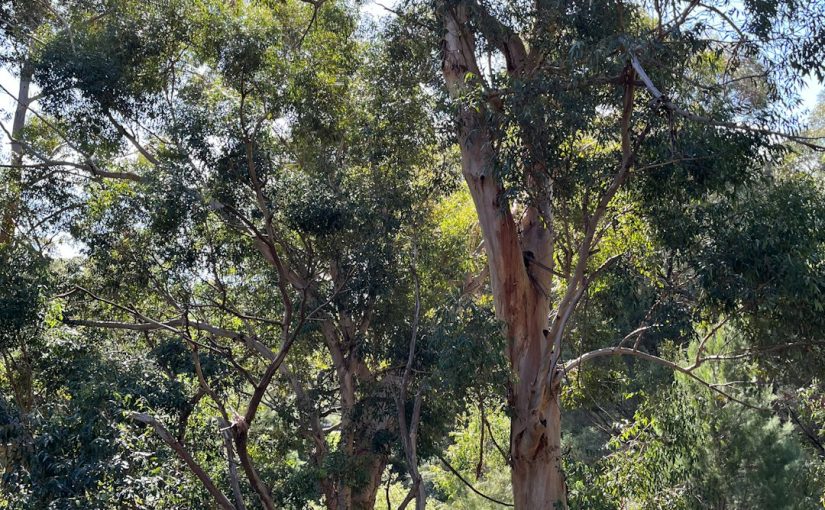
Several tree species are celebrated for their distinctive menthol-like fragrances, each offering a unique nuance to the aromatic spectrum. Perhaps the most widely recognized genus is Eucalyptus, particularly species like Eucalyptus globulus, commonly known as the Blue Gum. Native to Australia, the crushed leaves of this fast-growing tree release a potent, clean, and unmistakably camphoraceous scent due to its high concentration of 1,8-cineole. This makes eucalyptus oil a staple in aromatherapy and medicinal preparations. Another notable contender from the Pacific coast of North America is the California Bay Laurel (Umbellularia californica), often referred to as Oregon Myrtle. Its glossy, evergreen leaves, when bruised, emit an intensely pungent and invigorating aroma that strongly resembles a blend of eucalyptus, camphor, and menthol, capable of clearing sinuses with remarkable efficacy. While less intense, the classic Bay Laurel (Laurus nobilis) used culinarily can also possess a subtle mentholated undercurrent. Furthermore, some conifers, such as certain firs (Abies species) or spruces (Picea species), particularly when their needles are crushed, present a fresh, resinous, and sometimes menthol-tinged scent, owing to their complex mix of terpenes. Even the Peppermint Tree (Agonis flexuosa), an Australian native, lives up to its name, with leaves that yield a sharp, refreshing, pepperminty-menthol aroma when handled.
Here’s a quick overview of some species and their primary aromatic contributions:
| Tree Species | Primary Aromatic Compounds | Scent Profile Notes |
|---|---|---|
| Eucalyptus globulus (Blue Gum) | 1,8-cineole (eucalyptol) | Strong, camphoraceous, medicinal, menthol-like |
| Umbellularia californica (California Bay Laurel) | 1,8-cineole, sabinene, pinene | Intense, pungent, spicy, menthol-eucalyptus blend |
| Agonis flexuosa (Peppermint Tree) | Pinene, 1,8-cineole, limonene | Fresh, minty, peppery, mentholated |
| Abies grandis (Grand Fir) | Pinene, limonene, camphene | Sweet, citrusy, somewhat mentholated-resinous |
Beyond the smell: Uses and benefits of menthol-scented trees
The captivating aromas of these menthol-scented trees extend far beyond mere olfactory pleasure, offering a wealth of practical and therapeutic benefits. For centuries, traditional medicine systems have harnessed the properties of plants like Eucalyptus for their decongestant and anti-inflammatory qualities. Eucalyptus oil, extracted from the leaves, is a cornerstone in aromatherapy, widely used to alleviate symptoms of colds, coughs, and respiratory congestion through steam inhalation or topical application. Its invigorating scent helps clear nasal passages and provides a sense of mental clarity. In horticulture and landscaping, these trees are highly valued not only for their unique fragrance but also for their aesthetic appeal, providing year-round greenery and distinctive textures. A California Bay Laurel can be a striking specimen tree, while Eucalyptus species often contribute a unique silvery-green foliage to garden designs. Furthermore, the compounds responsible for the menthol-like scent, particularly 1,8-cineole, possess natural insecticidal and repellent properties. This makes extracts from these trees useful in eco-friendly pest control, deterring mosquitoes, flies, and other bothersome insects without resorting to harsh synthetic chemicals. Industrially, the essential oils derived from these trees are critical ingredients in a diverse range of products, from cough drops and chest rubs to natural cleaning agents and personal care items, underscoring their broad utility.
Cultivating the coolness: Growing and appreciating menthol-scented trees
Bringing the refreshing essence of menthol-scented trees into one’s environment can be a rewarding endeavor, whether through planting them in a suitable climate or simply appreciating their presence in natural settings. Species like Eucalyptus are relatively adaptable, often thriving in full sun and well-drained soils, though their hardiness varies greatly by species, from frost-tender varieties to those tolerant of colder conditions. California Bay Laurel, on the other hand, prefers the mild, coastal climates of its native range and can tolerate a variety of soil types. When considering cultivation, it is crucial to research the specific needs and mature size of the chosen species, as some eucalyptus can grow into towering giants. Beyond gardening, the simple act of experiencing these trees in their natural habitat offers profound appreciation. Imagine a walk through a grove of eucalyptus after a light rain, where the air is thick with the clean, stimulating aroma, creating an almost spa-like atmosphere. This sensory experience is not merely pleasant; it connects us to the intricate chemical processes of nature and the remarkable ways plants interact with their environment and us. These unique trees stand as living testaments to the diversity of botanical adaptations, enriching our landscapes and our lives with their distinct, invigorating fragrances and myriad benefits.
Our journey through the world of trees with menthol-like aromas reveals a truly fascinating aspect of botanical chemistry and ecological interplay. We’ve uncovered that the crisp, invigorating scent isn’t solely due to menthol itself, but rather a sophisticated blend of volatile organic compounds, predominantly 1,8-cineole (eucalyptol), along with contributions from camphor and various pinenes. These compounds, synthesized and released by trees, serve vital evolutionary roles from defense to attraction. From the potent Eucalyptus globulus and the intensely fragrant California Bay Laurel to the subtle nuances of some conifers and the appropriately named Peppermint Tree, each species contributes its unique signature to this aromatic family. Beyond their pleasing fragrance, these trees offer substantial benefits, from their use in traditional medicine and aromatherapy for respiratory relief to their applications in natural pest control and as valuable components in various industrial products. Cultivating and appreciating these remarkable trees allows us to engage directly with their refreshing presence, enriching our surroundings and connecting us more deeply with the natural world. Ultimately, the menthol-scented trees remind us of nature’s boundless capacity for creating intricate chemical marvels that delight our senses and serve humanity in countless ways.
Image by: Pierre-Henry Soria @ PierreHenry.dev