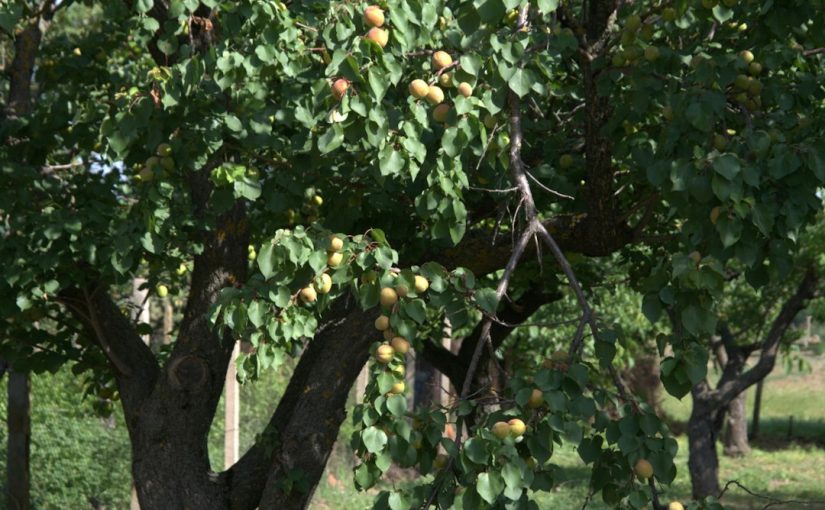
Trees with furry pods capture the imagination with their distinctive and often whimsical appearance. While many plants produce seeds, those encased in a soft, fuzzy coat possess a unique evolutionary advantage, often aiding in dispersal or providing critical protection to the developing embryo. From the gentle drift of cotton-like seeds in the breeze to the robust, spiky coverings designed to deter predators, the diversity among these botanical wonders is truly remarkable. This article will delve into the fascinating world of trees that bear these peculiar pods, exploring some of the most prominent species, understanding their ecological roles, and appreciating the ingenious adaptations that make them stand out in the plant kingdom. Prepare to discover the hidden stories behind these fuzzy botanical treasures.
The common culprits: identifying popular furry-pod trees
When discussing trees with furry pods, several prominent species immediately come to mind, largely due to their widespread presence and noticeable characteristics. Perhaps the most recognized are members of the Populus genus, commonly known as Cottonwood trees. Species like the Eastern Cottonwood (Populus deltoides) produce an abundance of small seeds each enclosed in a tuft of white, cotton-like fibers. This “cotton” is not part of the pod itself, but rather an adaptation of the seed coat designed to catch the wind, allowing the seeds to travel great distances from the parent tree. This prolific dispersal mechanism can create a “snowfall” effect in late spring or early summer, covering landscapes with a soft, white blanket of fluff.
Similarly, various species of Willow trees (Salix spp.) also produce seeds equipped with fine, silky hairs. These delicate strands, often mistaken for a fuzzy pod, serve the same primary purpose as the cottonwood’s fluff: aerodynamic wind dispersal. Willows, frequently found in riparian zones and wetlands, rely on both wind and water currents to spread their lightweight, hairy seeds, ensuring their successful propagation in moist environments.
Beyond these, certain Sycamore trees (Platanus spp.) produce distinctive seed balls, which, while not truly “furry” in the cottonwood sense, can have a somewhat bristly or fuzzy texture due to persistent hairs on the individual achenes aggregated into a spherical fruit. These seed balls typically hang from the branches through winter and break apart in spring, releasing their fuzzy-tipped seeds into the wind.
These common examples illustrate a fundamental principle: the “fur” or fluff on these reproductive structures is primarily an ingenious adaptation for dispersal, a testament to nature’s efficiency in ensuring species survival.
Beyond the familiar: less common but equally captivating species
While cottonwoods and willows are well-known for their fuzzy seeds, the world harbors numerous other trees and large shrubs that produce pods or fruits with distinctively furry or textured exteriors. These less common examples often showcase unique adaptations for protection, dispersal, or even attraction.
One striking example is the Kapok Tree (Ceiba pentandra), a magnificent tropical giant. Its large, woody pods burst open to reveal a treasure trove of seeds embedded in a luxuriant, fluffy fiber known as kapok. Unlike the delicate fluff of cottonwood, kapok is a strong, buoyant fiber historically used for stuffing mattresses, life rafts, and insulation. The sheer volume of this natural “fur” aids in wind dispersal, carrying the seeds far across tropical landscapes.
Another fascinating instance can be found in the genus Aesculus, which includes Horse Chestnuts and Buckeyes. Many species, such as the common Horse Chestnut (Aesculus hippocastanum), produce large, round pods encased in a green, spiny, and often slightly fuzzy husk. This prickly, somewhat hairy exterior serves as a formidable protective layer, deterring herbivores from consuming the developing nuts (often called “conkers”) until they are ripe and ready for dispersal. Once mature, the husk splits open, revealing the smooth, glossy brown seeds within.
The Empress Tree or Royal Paulownia (Paulownia tomentosa) also develops distinctive seed capsules that can have a slightly velvety or fuzzy texture when young, maturing into woody, brown pods. Though not as dramatically furry as the Kapok, this subtle fuzz still contributes to its unique tactile quality. These examples highlight the diverse forms and functions that “furry pods” can take across the plant kingdom.
The ecological role and human interactions with furry-pod trees
The distinctive furry pods and seeds of these trees play a crucial role in their respective ecosystems, offering significant benefits to both the environment and, in some cases, to human societies. The primary ecological function of the fluff or hair on these seeds is dispersal. Wind-dispersed seeds, like those of cottonwoods, willows, and kapok trees, can colonize new areas rapidly, helping to restore disturbed lands or expand their range. This rapid colonization is vital for maintaining biodiversity and ecosystem resilience. The widespread dispersal ensures genetic mixing and reduces competition near the parent tree.
Beyond dispersal, the pods themselves can offer protection. The spiny, slightly fuzzy husks of horse chestnuts, for instance, protect the developing seeds from predation by insects and animals until they are mature. Once the seeds are released, they can become a food source for wildlife, though many (like horse chestnuts) are toxic to humans and some animals.
Human interaction with these trees is diverse:
- Fiber production: Kapok fiber, from the Kapok tree, has been a valuable commodity for centuries due to its lightness, buoyancy, and hypoallergenic properties.
- Wood and shade: Cottonwoods and willows are fast-growing trees, often used for their timber, as windbreaks, or for providing shade in urban and riparian settings.
- Historical uses: The fluff from cottonwood seeds was sometimes used by indigenous peoples for insulation or tinder.
- Horticulture: Many of these trees are planted for their ornamental value, unique growth habits, or the interesting textures of their pods.
However, there can be downsides. The prolific fluff from cottonwoods and willows can be an allergen for some individuals, and its accumulation can sometimes clog air filters or create minor fire hazards in dry conditions. Despite these minor inconveniences, the ecological benefits and human uses far outweigh the drawbacks, underscoring their importance.
| Tree Species | Pod/Seed Description | Primary Function of Fur/Fluff | Common Location |
|---|---|---|---|
| Populus deltoides (Eastern Cottonwood) | Small seeds encased in white, fluffy “cotton” | Wind dispersal | Riversides, disturbed areas (North America) |
| Salix spp. (Willow) | Tiny seeds with fine, silky hairs | Wind dispersal | Wetlands, riparian zones (Worldwide) |
| Ceiba pentandra (Kapok Tree) | Large, woody pods splitting to reveal fluffy fibers (kapok) around seeds | Wind dispersal, seed protection | Tropical regions (South America, Africa, Asia) |
| Aesculus hippocastanum (Horse Chestnut) | Green, spiny, slightly fuzzy husks encasing shiny “conkers” | Protection from herbivores | Temperate zones (Europe, North America) |
Caring for and appreciating furry-pod trees in your landscape
Incorporating or caring for trees with furry pods in your landscape can add unique visual interest and contribute positively to local ecology. When considering planting, it’s essential to select species appropriate for your climate and soil conditions. For instance, while cottonwoods and willows thrive in moist, even wet soils, horse chestnuts prefer well-drained loams. Understanding the mature size of the tree is also critical, as many of these species, like the Kapok tree, can grow to be enormous.
From an aesthetic perspective, the distinctive pods offer seasonal interest. The “cotton snow” of poplars or willows creates a whimsical, ephemeral display, while the large, spiky husks of horse chestnuts provide texture and curiosity through autumn. These trees also provide habitats and food sources for various insects, birds, and small mammals, enriching local biodiversity.
Maintenance generally involves regular watering for newly planted trees, especially those like willows that prefer moisture. Pruning may be necessary to maintain shape, remove dead branches, or manage the size of fast-growing species. While the fluff from some trees can be a minor nuisance, a well-placed tree can offer significant environmental benefits without causing undue problems. By appreciating their unique adaptations and understanding their specific needs, you can ensure these remarkable trees flourish and continue to provide their distinctive charm and ecological services.
The world of trees with furry pods is a testament to nature’s boundless creativity and intricate design. We’ve journeyed through the familiar, identifying common species like the wind-dispersing cottonwoods and willows, whose fluffy seeds elegantly dance on the breeze. Our exploration extended to the exotic and less common, revealing the robust kapok fibers of tropical giants and the protective, spiny husks of horse chestnuts, each with its unique adaptation. We’ve seen how this “fur” serves vital ecological roles, primarily in seed dispersal and protection, while also noting their historical and ongoing interactions with human societies. From fiber production to urban shade, these trees offer diverse benefits. Ultimately, whether appreciating their ecological contributions or their unique aesthetic appeal in our landscapes, these furry-podded trees remind us of the ingenious ways life adapts and thrives, inviting us to observe and cherish the subtle wonders of the botanical world.
Image by: JOGphotos