Venturing into the world of botanical oddities, we often encounter plants that challenge our conventional understanding of flora. Among these are a fascinating group of trees characterized by a unique combination: vibrant yellow fruits and formidable, often oversized thorns. This specific pairing isn’t just a quirky evolutionary happenstance; it represents a sophisticated defense mechanism coupled with an attractive means of seed dispersal. From ancient orchards to wild, untamed landscapes, these thorny guardians with their golden bounty have captivated botanists and laypeople alike. In this article, we’ll explore some of the most notable trees that embody this intriguing duality, delving into their species, characteristics, and the ecological roles they play.
The evolutionary strategy of thorny fruit trees
The presence of substantial thorns alongside edible fruit is a prime example of evolutionary adaptation, balancing attraction and defense. For trees producing yellow fruit, which often signals ripeness and high nutritional value to potential dispersers, protecting that valuable commodity is paramount. Thorns serve as a physical deterrent against a wide array of herbivores, from browsing mammals to curious insects, ensuring that the fruit has a chance to fully mature or that seeds are dispersed by the intended, larger animals capable of bypassing the defenses, rather than being prematurely consumed by generalist foragers. This protective strategy is particularly effective in environments where herbivory pressure is high. The size and distribution of thorns can vary significantly, from sharp, needle-like projections on branches to robust, dagger-like spikes on the trunk itself, each designed to inflict discomfort or injury to potential threats.
Furthermore, the yellow color of the fruit itself is an evolutionary signal. Yellow pigments, often carotenoids, indicate ripeness and a high sugar content, making the fruit visually appealing to birds and mammals that play a crucial role in seed dispersal. The juxtaposition of this inviting color with formidable thorns creates a sophisticated biological puzzle: how do dispersers access the fruit without harm? In many cases, specific dispersers have evolved strategies to cope with the thorns, or the thorns are positioned in such a way that they protect the tree’s vital parts while allowing access to ripe fruit from certain angles or for animals with specific mouthparts. This intricate dance highlights the co-evolutionary arms race between plants and their environment.
Common contenders: species with this unique combination
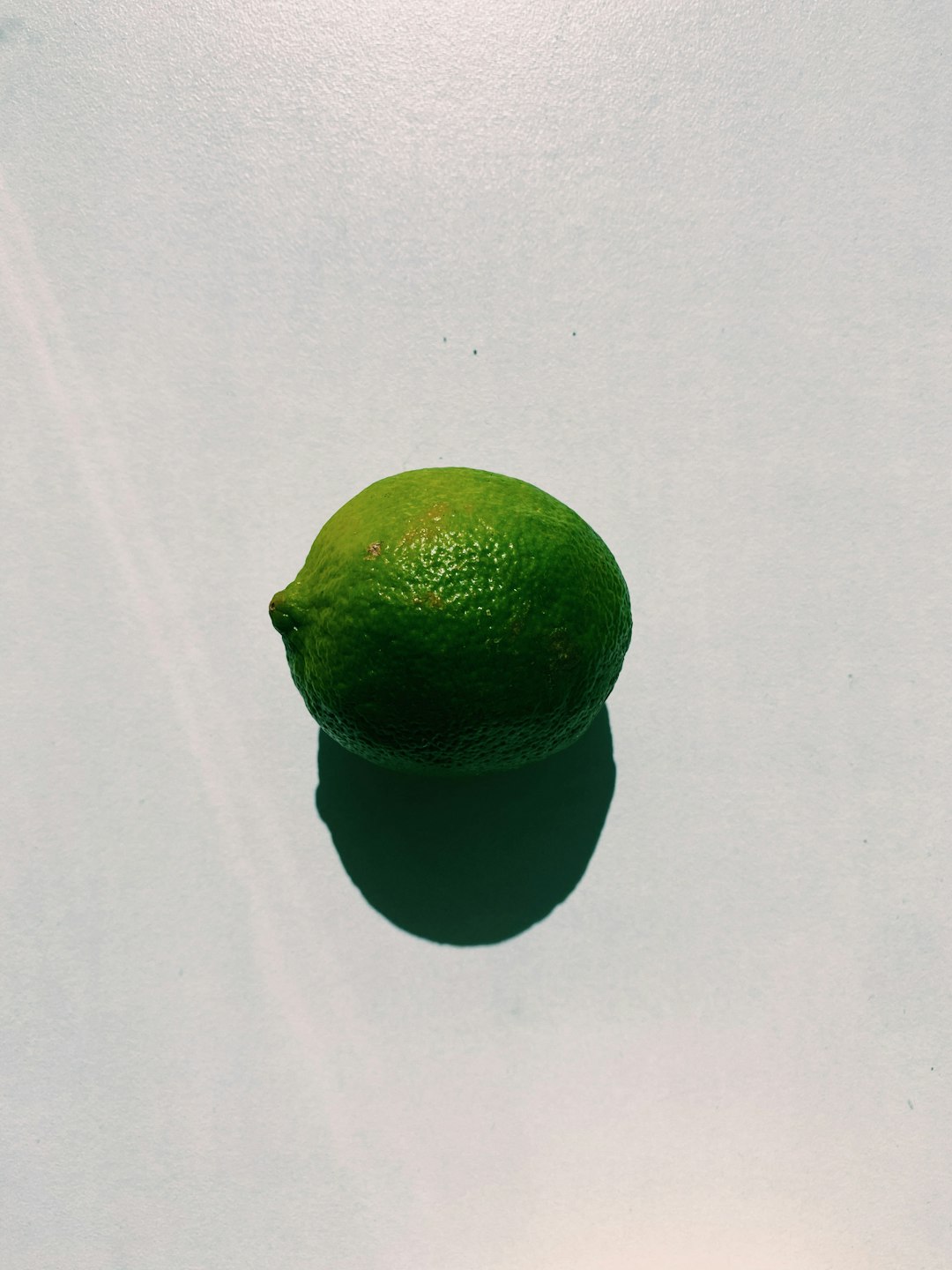
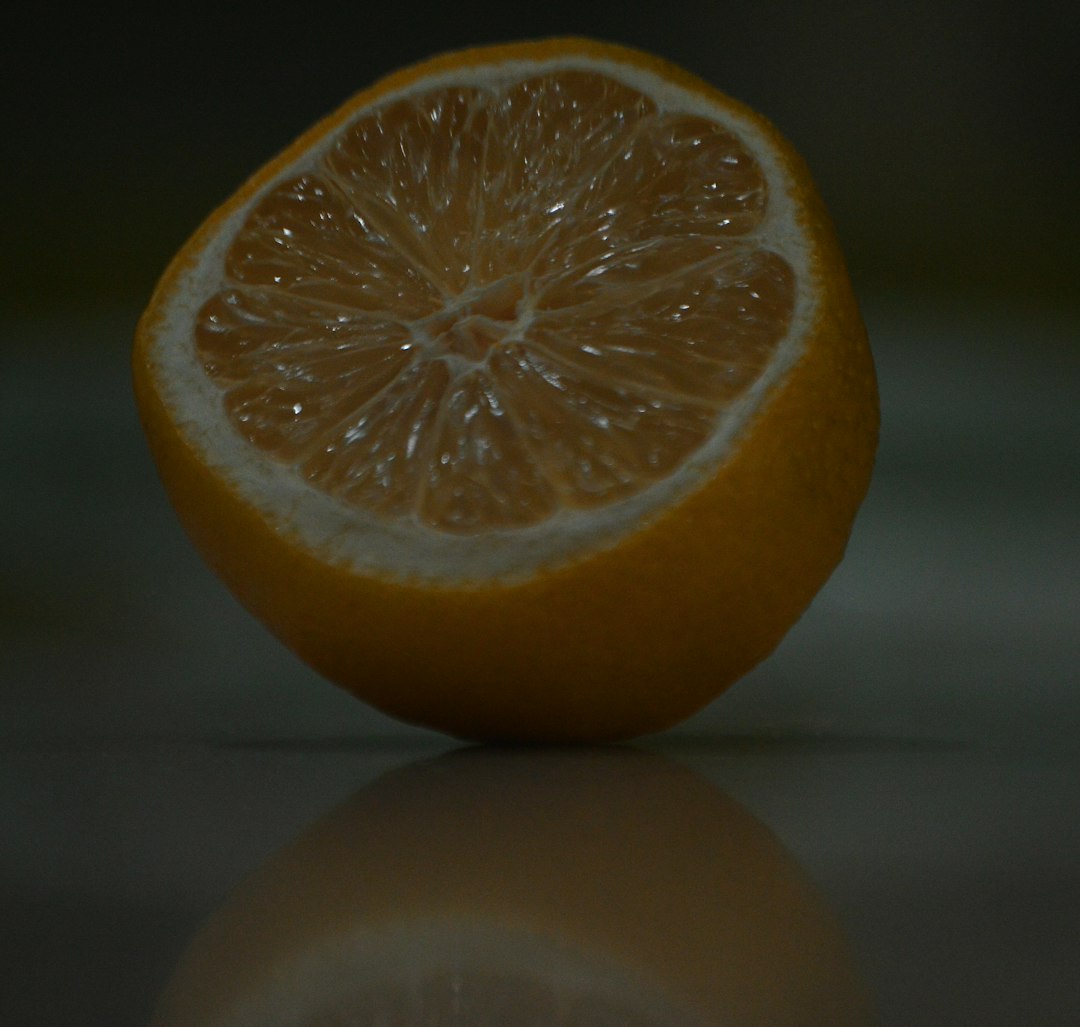
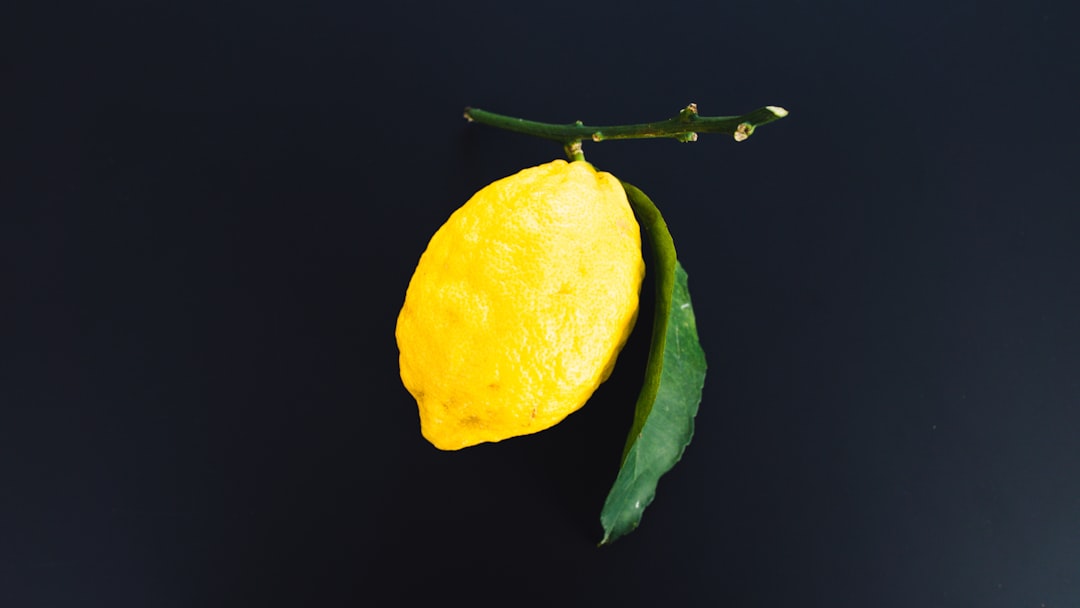
Several tree species across different climates and continents exhibit this fascinating combination of yellow fruit and prominent thorns. One of the most well-known examples is various species within the Citrus genus, particularly wild relatives or heirloom varieties like certain types of lemons, limes, and oranges. While cultivated citrus often has reduced thorniness, their wild ancestors were much more formidably armed. For instance, the Trifoliate Orange (Poncirus trifoliata), often used as a rootstock for edible citrus, is notorious for its extremely sharp, lengthy thorns and small, bitter yellow fruits that resemble miniature oranges. It’s a testament to the ancestral defense mechanisms of the entire genus.
Beyond citrus, the Osage Orange (Maclura pomifera) is another prime example. Native to North America, this deciduous tree produces large, bumpy, greenish-yellow fruit (often called “hedge apples”) and features sharp, stout thorns along its branches. The fruit, while technically edible for some animals, is generally unpalatable to humans and most domestic livestock, leading to its common use as a windbreak and natural fence line due to its thorny nature. Another notable mention includes certain species of wild plums (Prunus spp.) and hawthorns (Crataegus spp.), particularly those with yellow-tinged fruits, which frequently possess thorns on their branches as a defense mechanism.
Here’s a brief overview of some species:
| Tree Species | Fruit Color (Ripe) | Thorn Characteristics | Primary Habitat |
|---|---|---|---|
| Trifoliate Orange (Poncirus trifoliata) | Yellow | Sharp, strong, up to 2 inches long | East Asia (often cultivated globally) |
| Osage Orange (Maclura pomifera) | Greenish-yellow | Stout, sharp, 0.5-1 inch long | Central North America |
| Lemon (wild varieties) (Citrus limon) | Bright yellow | Sharp, somewhat blunt, 0.5-1 inch long | Southeast Asia (cultivated globally) |
| Hawthorn (Crataegus spp.) | Red to yellow | Sharp, often numerous, 0.5-3 inches long | Temperate Northern Hemisphere |
The protective power of thorns: more than just defense
While the primary function of thorns is undoubtedly defense against herbivory, their role can extend beyond simple deterrence. In certain ecosystems, thorns can influence the microhabitat around the tree. For instance, dense thorny thickets can offer protected nesting sites for birds, shielding their eggs and young from predators that cannot navigate the sharp defenses. This creates a symbiotic relationship where the tree benefits from seed dispersal by the birds, and the birds gain a safe haven.
Furthermore, in arid or semi-arid environments, thorny plants can play a role in water conservation. The reduced surface area of thorns compared to leaves minimizes water loss through transpiration, and their presence can help shade the soil around the base of the plant, reducing evaporation. While not their main purpose, these secondary benefits contribute to the overall resilience and ecological integration of thorny trees. The robust nature of thorns also means they persist on the plant even when deciduous leaves fall, maintaining year-round protection, which is crucial for perennial structures like the trunk and primary branches.
The energy investment a tree makes in producing thorns is significant, indicating their importance for survival. This energy is diverted from other processes like faster growth or increased fruit production, demonstrating that the evolutionary pressure for defense is strong enough to warrant such an allocation. Therefore, a tree with large, numerous thorns and yellow fruit is a finely tuned survivor, optimizing its chances of successful reproduction in a challenging world.
Ecological roles and human interaction
These thorny, yellow-fruited trees play various crucial ecological roles. As mentioned, they provide food for specific wildlife species that have adapted to their defenses, ensuring seed dispersal. The dense, thorny growth can also create valuable habitat and shelter for small mammals and birds, forming impenetrable thickets that offer refuge from larger predators. In some cases, these trees act as pioneer species, helping to stabilize soil and initiate ecological succession in disturbed areas due to their hardiness and ability to thrive in challenging conditions.
Human interaction with these trees is diverse. Historically, trees like the Osage Orange were extensively used as “living fences” before the advent of barbed wire, proving their efficacy in containing livestock due to their formidable thorns. Their tough, rot-resistant wood has also been valued for fence posts, tool handles, and even archery bows. For species like the Trifoliate Orange, their thorny nature makes them excellent choices for impenetrable hedging, offering both security and an ornamental appeal, despite the fruit’s bitterness. Even wild citrus varieties, with their sharp thorns, contribute to genetic diversity, offering resilience against pests and diseases that can be cross-bred into cultivated varieties.
However, the thorns can also pose challenges, necessitating careful management in urban or agricultural settings. Pruning these trees requires protective gear, and their presence near paths or play areas can be a hazard. Despite these considerations, their ecological contributions and historical uses highlight the enduring significance of trees that combine nature’s beauty – in the form of yellow fruit – with its formidable defenses – in the form of large, protective thorns.
The journey through the world of trees bearing yellow fruit and significant thorns reveals a compelling narrative of evolutionary ingenuity. We’ve explored how this unique combination serves as a sophisticated strategy, balancing the allure of palatable, energy-rich fruit with robust physical defenses against a multitude of threats. From the targeted protection of developing fruits to the creation of safe havens for wildlife, the formidable thorns are far more than just sharp protrusions; they are integral to the survival and ecological success of these species. Specific examples such as the Trifoliate Orange and Osage Orange vividly illustrate how different trees have adapted this strategy across various climates and continents, each with its own distinct characteristics and ecological contributions. Understanding these trees not only enriches our botanical knowledge but also deepens our appreciation for the intricate co-evolutionary processes that shape the natural world. They stand as a testament to nature’s ability to innovate, balancing attraction and deterrence to ensure the perpetuation of life in often challenging environments.
Image by: Stefano Zocca