The majestic coconut palm, a symbol of tropical paradise, often brings to mind towering trees. However, for many enthusiasts and commercial growers, the appeal of dwarf coconut trees is rapidly growing. These compact varieties offer a practical and aesthetically pleasing alternative, fitting into smaller spaces and simplifying cultivation. Their manageable size, coupled with early fruiting and often superior quality water, makes them an attractive option for diverse applications, from backyard gardening to large-scale plantations. This article will delve into the fascinating world of dwarf coconut trees, exploring their distinct characteristics and highlighting the various types available, helping you identify the perfect variety for your needs.
Why dwarf coconuts are a popular choice
Dwarf coconut trees stand in stark contrast to their majestic, towering cousins, offering a suite of benefits that have cemented their popularity across various climates and applications. One of their most significant advantages is their compact size, typically growing no more than 15-20 feet tall, which makes harvesting considerably easier and safer. Unlike tall varieties that require skilled climbers or specialized equipment, dwarf coconuts often allow fruit collection from ground level or with minimal assistance. Beyond their stature, these trees are known for their precocity, meaning they bear fruit much earlier than traditional tall varieties, often within 3-4 years of planting. This early yield translates to quicker returns for commercial growers and instant gratification for home gardeners. Furthermore, many dwarf varieties are celebrated for their exceptionally sweet and refreshing tender coconut water, making them highly desirable for beverage production and direct consumption. Their robust root systems and ability to adapt to a range of soil types further enhance their appeal, making them a sustainable and efficient choice for modern agriculture and landscaping.
Exploring the Malayan dwarf varieties
Among the pantheon of dwarf coconut trees, the Malayan Dwarf varieties are perhaps the most globally recognized and widely cultivated. Originating from Malaysia, these varieties are distinguished primarily by the color of their fruit, though they share common traits like early bearing and compact size. They are particularly valued for their ornamental appeal and their delicious tender coconut water. There are three main types within this group:
- Malayan yellow dwarf (MYD): This is arguably the most common and sought-after dwarf variety. It produces medium-sized coconuts with a distinct yellow to orange hue. MYD trees are known for their consistent yield and their ability to thrive in various soil conditions. The water inside is sweet and refreshing, making it a favorite for tender coconut consumption. Its striking color also makes it a popular choice for landscaping.
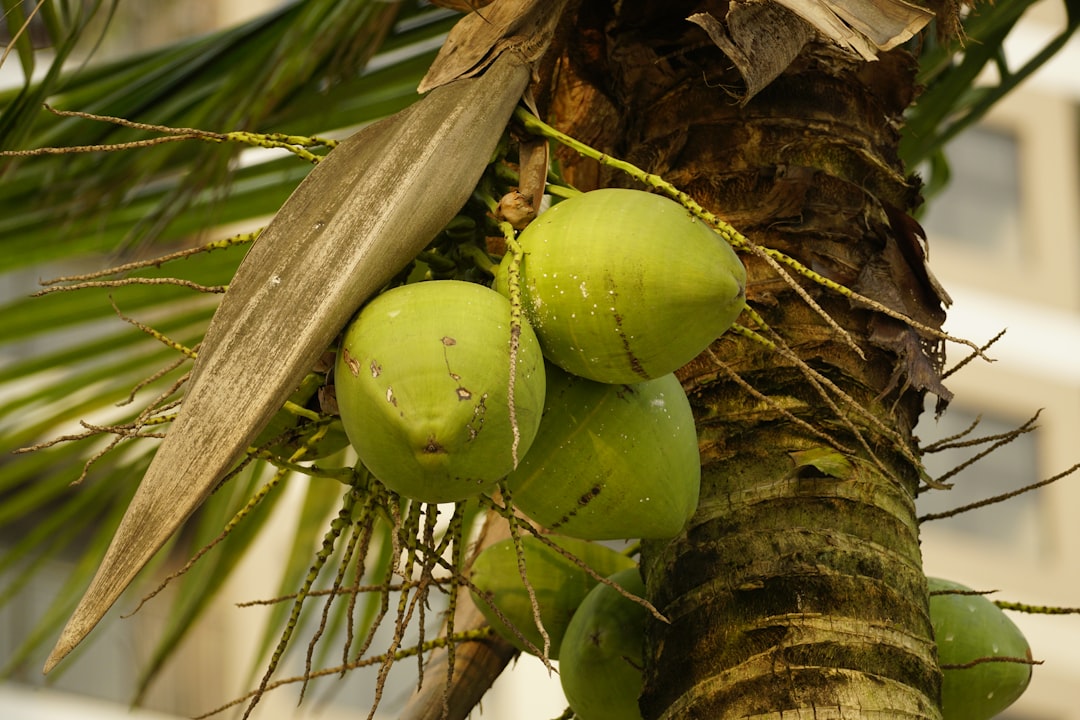
- Malayan green dwarf (MGD): Similar in many characteristics to the yellow dwarf, the Malayan Green Dwarf produces coconuts with a vibrant green exocarp. MGD is equally precocious and productive, yielding a good quantity of tender nuts with sweet water. It is a robust variety, often showing good resistance to certain pests and diseases, which makes it a resilient choice for many growers.
- Malayan orange dwarf (MOD): While sometimes grouped with the yellow dwarf due to similar coloration, the Malayan Orange Dwarf exhibits a more pronounced orange shade in its fruit. It shares the desirable traits of early fruiting, manageable size, and sweet coconut water, making it another excellent option for both commercial and domestic cultivation.
These Malayan types collectively offer versatility and reliability, establishing them as a cornerstone of dwarf coconut cultivation.
Distinctive dwarf types: Ganga Bondam and Chowghat
Beyond the widespread Malayan varieties, other dwarf coconut types offer unique characteristics that cater to specific preferences and growing conditions. Two prominent examples originating from India are the Ganga Bondam and the Chowghat dwarfs, each with its own set of distinguishing features that make them highly valued.
- Ganga Bondam (GB): Hailing from the Andhra Pradesh region of India, the Ganga Bondam is a highly prized dwarf variety, especially renowned for its exceptionally sweet tender coconut water. The nuts are typically green and relatively small to medium in size. GB trees are prolific bearers, producing a high yield of coconuts that are consistently rich in flavor. Their compact growth habit and consistent productivity make them an excellent choice for growers focused on high-quality tender coconut water production.
- Chowghat orange dwarf (COD): Originating from Kerala, India, the Chowghat Orange Dwarf is another stunning dwarf coconut variety. As its name suggests, it produces coconuts with a beautiful bright orange color, making it highly ornamental in addition to being productive. The water from COD nuts is celebrated for its remarkable sweetness and refreshing qualities, often considered among the best for tender coconut consumption. This variety is also known for its relatively good resistance to certain diseases, further enhancing its appeal for cultivation.
- Chowghat green dwarf (CGD): Complementing the orange variety, the Chowghat Green Dwarf produces green-husked nuts with similar qualities to its orange counterpart, including sweet water and early bearing. Both Chowghat varieties exemplify the diversity within dwarf coconuts, offering choices that balance aesthetic appeal with practical benefits.
Here is a comparison of some popular dwarf varieties:
| Variety | Origin | Fruit Color | Key Feature(s) | Water Sweetness |
|---|---|---|---|---|
| Malayan Yellow Dwarf | Malaysia | Yellow/Orange | Most common, early fruiting, good for landscaping | Medium-High |
| Ganga Bondam | India | Green | Exceptionally sweet water, high yield, small nuts | Very High |
| Chowghat Orange Dwarf | India | Bright Orange | Ornamental, very sweet water, good disease resistance | Very High |
| Malayan Green Dwarf | Malaysia | Green | Good for tender coconut water, robust | Medium-High |
| Chowghat Green Dwarf | India | Green | Sweet water, early bearing, similar to COD | High |
Other notable dwarf coconuts and their attributes
While the Malayan and Indian dwarf varieties form the backbone of dwarf coconut cultivation, other regions also boast distinctive types that offer unique advantages. These varieties demonstrate the extensive genetic diversity within the species and provide even more options for specific environmental conditions or desired characteristics.
- Niu Leka Dwarf: Hailing from Fiji, the Niu Leka Dwarf is notable for its vigorous growth and resilience. It produces green coconuts with a particularly thick husk, which offers natural protection to the tender nut inside. The water is sweet and abundant, making it a good choice for both consumption and local processing. Its adaptability to various island conditions makes it a staple in its native region.
- San Ramon Dwarf (SRD): Originating from the Philippines, the San Ramon Dwarf is a truly compact variety, often smaller than its Malayan counterparts. It produces small, yellow-orange fruits that are sweet, though the yield per tree might be slightly lower due to its diminutive size. The SRD is particularly popular for ornamental purposes in small gardens or urban landscapes where space is a premium, providing a tropical aesthetic without overwhelming the area.
- Red Dwarf: Found in various tropical regions, Red Dwarf varieties, though less specific in their nomenclature than Malayan types, are generally characterized by their reddish-brown or coppery-orange fruits. They share the common dwarf traits of early bearing and manageable height, offering sweet water and sometimes a slightly thicker flesh compared to other dwarfs.
These varieties, alongside others, underscore the richness and breadth of dwarf coconut types available, each contributing to the growing appeal of these compact, productive palms.
In summary, dwarf coconut trees represent a significant innovation in tropical horticulture, offering a compelling blend of practicality and productivity. From the widely recognized Malayan Yellow Dwarf, prized for its early yield and ornamental appeal, to the exceptionally sweet Ganga Bondam and the vibrant Chowghat Orange Dwarf, each variety brings its own unique set of attributes to the table. We’ve explored how these compact palms differ not just in appearance, but also in the quality of their tender coconut water and their suitability for various climates and purposes. Understanding these distinctions is crucial for anyone considering planting these remarkable trees. Whether for personal consumption, commercial venture, or simply to add a touch of the tropics to your landscape, the right dwarf coconut tree promises bountiful rewards and a sustainable, manageable cultivation experience.
Image by: Maria Kovalets