The Earth’s arid and semi-arid regions present some of the most challenging environments for plant life. Extreme temperatures, intense solar radiation, and, most critically, a severe scarcity of water define these landscapes. Yet, against all odds, a remarkable array of plants not only survives but thrives here. These resilient flora are known as xerophytes, a term derived from Greek where “xeros” means dry and “phyton” means plant. Over millennia, xerophytes have evolved a fascinating suite of anatomical, physiological, and behavioral adaptations to conserve water, access elusive moisture, and withstand prolonged periods of drought. Understanding the diverse types of xerophytic plants illuminates the incredible ingenuity of nature in overcoming environmental adversity, offering insights into sustainable agriculture and ecological resilience in a changing climate. This article delves into the various classifications of these drought-defying botanical marvels.
Unveiling the Masters of Aridity: Succulents
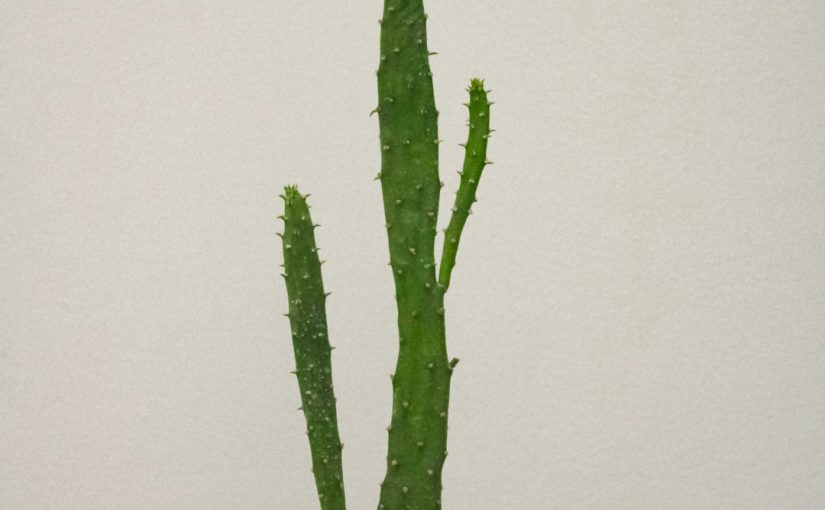
Perhaps the most widely recognized category of xerophytes, succulents are renowned for their ability to store water in specialized, fleshy tissues. This water storage capacity allows them to endure long periods without rainfall, utilizing the stored moisture during dry spells. Their adaptations are primarily morphological, focusing on maximizing water retention and minimizing loss. Cacti, for instance, are iconic succulents characterized by their thick, often ribbed stems that serve as primary water reservoirs. Their leaves have evolved into spines, reducing surface area for transpiration and providing defense against herbivores seeking their precious water. Many cacti also possess a thick, waxy cuticle on their epidermis, further reducing evaporation.
Beyond cacti, the succulent family is vast and diverse. Agaves, common in desert landscapes, feature rosettes of thick, sword-like leaves that store significant amounts of water. Aloes, particularly *Aloe vera*, display similar fleshy leaves. Many succulents employ Crassulacean Acid Metabolism (CAM) photosynthesis, a physiological adaptation where stomata (pores for gas exchange) open only at night to absorb carbon dioxide. This nocturnal opening minimizes water loss through transpiration, as temperatures are cooler and humidity higher than during the day. The CO2 is then stored as an acid and processed during daylight hours when sunlight is available for photosynthesis, without the need for stomata to open.
The Resilience of Sclerophylls: Tough Leaved Survivors
In contrast to the plump, water-filled tissues of succulents, sclerophyllous plants adopt a strategy of ‘toughing it out’ with hard, leathery leaves. The term “sclerophyll” literally means “hard leaf,” and this rigidity is a key adaptation for survival in dry, often nutrient-poor environments, including Mediterranean climates and parts of Australia. These plants prioritize reducing water loss through transpiration by making their leaves highly resistant to desiccation. Common examples include olive trees (*Olea europaea*), many species of eucalyptus, and numerous shrubs like rosemary (*Rosmarinus officinalis*) and some oak varieties.
Sclerophyllous leaves are typically small, thick, and have a reduced surface area, which naturally limits the number of stomata exposed to the air. Furthermore, these leaves often feature a thick cuticle or waxy layer that acts as a physical barrier against water evaporation. Some species exhibit sunken stomata, recessed into pits or grooves, creating a humid microenvironment that further reduces the water potential gradient between the leaf and the surrounding air. The tough, rigid nature of these leaves also deters herbivory and can make them more resilient to mechanical stress from wind. Many sclerophyllous plants are evergreen, maintaining their leaves year-round, which allows them to photosynthesize whenever water is available, even if briefly.
Ephemerals and Drought Deciduous: Timing is Everything
Another ingenious strategy employed by xerophytes is to avoid drought conditions altogether, either by completing their life cycle rapidly or by shedding their leaves. Ephemeral plants, also known as “drought evaders” or “annuals,” epitomize the former. These plants have an incredibly short growing season, typically germinating, growing, flowering, and setting seed within a few weeks following rare desert rains. During the prolonged dry periods, they exist only as dormant seeds in the soil, patiently waiting for the next precipitation event. Desert wildflowers like California poppies (*Eschscholzia californica*) or various species of lupine are classic examples, transforming barren landscapes into vibrant carpets of color after a good rain. This strategy minimizes their exposure to extreme water stress, allowing them to reproduce effectively when conditions are favorable.
Drought-deciduous plants, on the other hand, actively respond to the onset of drought by shedding their leaves. This remarkable adaptation allows them to significantly reduce water loss through transpiration, as leaves are the primary site for this process. Unlike deciduous trees in temperate zones that lose leaves due to cold, these xerophytes shed foliage to conserve moisture. Once the dry season passes and rain returns, they quickly regrow their leaves. Examples include the palo verde tree (*Parkinsonia florida*), which has green bark capable of photosynthesis when leafless, and many species of mesquite (*Prosopis* spp.). By becoming dormant above ground, these plants effectively shut down water-intensive metabolic processes, relying on their bare branches or photosynthetic bark until favorable conditions return. This table illustrates some key characteristics of these two groups:
| Characteristic | Ephemeral Plants | Drought-Deciduous Plants |
|---|---|---|
| Life Cycle Duration | Very short (weeks to months) | Longer, but active growth period is seasonal |
| Survival Strategy during Drought | As dormant seeds | Shed leaves, dormancy or reduced activity |
| Primary Goal | Rapid reproduction | Water conservation through dormancy |
| Examples | Desert wildflowers, some grasses | Palo verde, mesquite, brittlebush |
Beyond the Surface: Deep Rooted and Specialized Xerophytes
While succulents store water, sclerophylls conserve it through tough leaves, and ephemerals/drought deciduous plants avoid drought, another significant group of xerophytes employs extensive root systems to access deep-seated water sources. These are often referred to as phreatophytes, meaning “well-plant,” due to their ability to tap into groundwater tables far below the surface. Mesquite trees, in addition to being drought-deciduous, are also excellent examples of phreatophytes, with root systems that can extend over 50 feet deep to reach perennial water sources. The creosote bush (*Larrea tridentata*), a dominant shrub in many North American deserts, develops both a deep taproot and widespread lateral roots to capture any available moisture, while also coating its leaves with a resin that reduces water loss and acts as a deterrent to herbivores.
Other specialized adaptations include trichomes (hairs) on leaves, which reflect sunlight and trap a layer of humid air close to the leaf surface, reducing evaporation. Small leaf size, vertical leaf orientation (to minimize direct sun exposure at midday), and even the ability to drop entire branches (autotomy) are observed in various xerophytes. For instance, the Ocotillo (*Fouquieria splendens*) frequently grows and sheds leaves multiple times a year, depending on rainfall, and its woody stems can store some water. These multifaceted strategies underscore the incredible diversity and evolutionary pressures that have shaped plant life in the planet’s driest biomes, showcasing a masterclass in survival and adaptation.
The journey through the various types of xerophytic plants reveals a breathtaking spectrum of adaptations, each fine-tuned over millennia to conquer the harsh realities of arid environments. From the succulent’s ingenious water-storing tissues and CAM photosynthesis to the sclerophyll’s tough, water-retaining leaves, and the ephemeral’s rapid life cycle, these plants demonstrate nature’s profound capacity for innovation. Drought-deciduous species cleverly shed their foliage to conserve precious moisture, while deep-rooted xerophytes tirelessly quest for subterranean water. Collectively, these strategies illustrate that there is no single solution to surviving drought; rather, a diverse toolkit of anatomical, physiological, and behavioral adjustments allows life to flourish where conditions seem insurmountable. Understanding these remarkable plants not only deepens our appreciation for biodiversity but also offers critical insights into resilience, potentially guiding our efforts in sustainable land management and confronting the challenges of desertification in a warming world.
Image by: Sushant Ravitchandirane