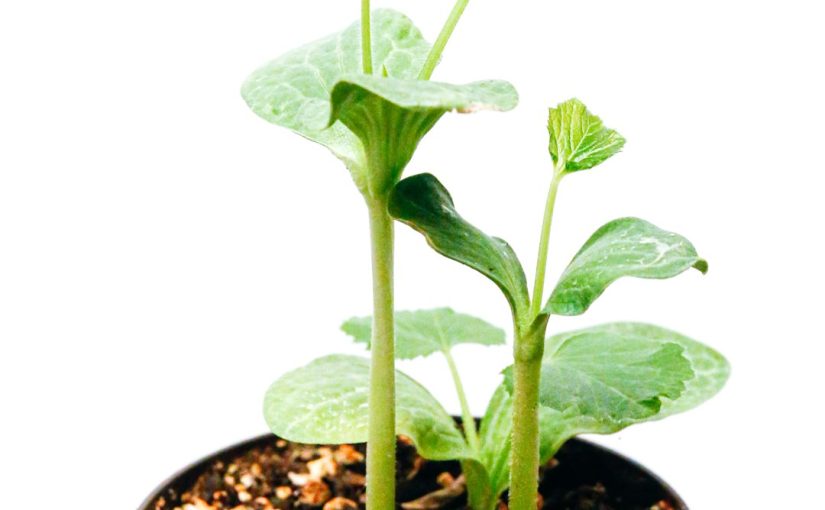
Have you ever paused to appreciate the intricate design of a plant thriving above the ground? The visible portions reaching towards the sun and sky are collectively known as the aerial parts. These are the components of a vascular plant that grow above the soil surface, directly exposed to the atmosphere. Far from being mere decorations, these structures – including stems, leaves, flowers, and fruits – are vital for the plant’s survival, growth, and reproduction. Each part plays a specialized role, from harnessing sunlight for energy to ensuring the continuation of the species. Understanding these aerial components provides profound insight into the sophisticated biology that allows plants to flourish in diverse environments, forming the very foundation of most terrestrial ecosystems.
The stem: structural backbone and transport system
The stem serves as the plant’s primary structural axis, providing support and elevation for other aerial organs like leaves and flowers to optimize their exposure to light and air. Beyond its supportive role, the stem is a crucial conduit for transporting essential substances throughout the plant. Within its vascular tissues, xylem transports water and dissolved minerals from the roots upwards to the leaves, while phloem carries sugars (produced during photosynthesis in the leaves) to other parts of the plant where they are needed for growth or storage. Stems vary greatly in form, from the soft, green, and flexible stems of herbaceous plants to the tough, woody trunks of trees and shrubs, which are strengthened by secondary growth that adds layers of wood.
Some stems also exhibit specialized functions, such as the tendrils of climbing plants that provide support by coiling around objects, or the thorns found on roses and other species, which are modified stems that offer protection against herbivores. These adaptations highlight the versatility of the stem in enabling plants to thrive in various ecological niches.
Leaves: nature’s solar factories
Leaves are arguably the most vital aerial parts when it comes to plant survival, primarily serving as the main sites for photosynthesis – the process by which plants convert light energy into chemical energy. Their broad, flat structure is optimized to maximize surface area for light absorption and gas exchange. A typical leaf consists of a blade (the flat part) and a petiole (the stalk connecting the blade to the stem).
Microscopically, leaves are masterpieces of biological engineering. The outer protective layer, the epidermis, is often coated with a waxy cuticle to prevent water loss. Beneath this lies the mesophyll, rich in chloroplasts, where photosynthesis occurs. Small pores called stomata, primarily located on the underside of the leaf, regulate the exchange of carbon dioxide, oxygen, and water vapor with the atmosphere. Like stems, leaves can be highly modified for specific purposes, such as the sharp spines of cacti for defense and water conservation, or the tendrils of peas that aid in climbing, demonstrating their adaptability to environmental pressures.
Here’s a brief overview of key leaf components and their functions:
| Component | Primary Function | Key Characteristic |
|---|---|---|
| Blade | Light absorption, photosynthesis | Flat, broad surface area |
| Petiole | Supports blade, connects to stem | Stalk-like structure |
| Stomata | Gas exchange (CO2, O2, H2O) | Pores regulated by guard cells |
| Veins | Transport of water, nutrients, sugars; structural support | Vascular bundles within the leaf |
Flowers and fruits: the agents of reproduction and dispersal
For most flowering plants (angiosperms), flowers are the specialized reproductive structures, designed to attract pollinators and facilitate fertilization. A typical flower comprises several whorls of modified leaves: sepals (often green, protecting the bud), petals (colorful, attracting pollinators), stamens (male reproductive parts producing pollen), and the pistil or carpel (female reproductive part containing the ovules). After successful pollination and fertilization, the flower undergoes a remarkable transformation.
The ovary, located at the base of the pistil, develops into the fruit, while the ovules inside mature into seeds. Fruits play a critical dual role: protecting the developing seeds and aiding in their dispersal. They come in an astonishing array of forms – from fleshy berries and drupes designed to be eaten by animals, which then disperse the seeds through their waste, to dry capsules or samaras that facilitate wind or water dispersal. This intricate cycle of flowering and fruiting is essential for the genetic diversity and geographical spread of plant species, perpetuating life for generations.
The aerial parts of a plant, encompassing the stems, leaves, flowers, and fruits, form a highly coordinated and efficient system crucial for the plant’s very existence. From the rigid support and vital transport provided by the stem to the energy-generating capabilities of the leaves, and the intricate reproductive mechanisms housed within flowers and fruits, each component plays an indispensable role. Together, these above-ground structures enable plants to efficiently capture sunlight, absorb atmospheric gases, reproduce, and ultimately thrive in diverse environments across the globe. Understanding this interconnected network highlights the remarkable adaptability and biological sophistication that underpin plant life, which in turn forms the foundation for nearly all terrestrial ecosystems and directly supports human civilization through food, fiber, and oxygen production. Appreciating these aerial marvels deepens our connection to the natural world and underscores the importance of plant conservation.
Image by: Suri Huang