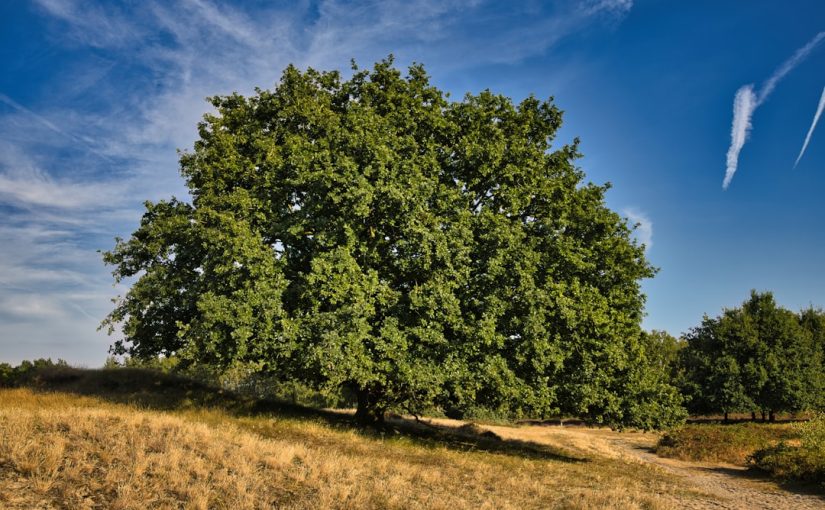
Upon observing an oak tree, you might occasionally spot peculiar white, spherical formations clinging to its branches or leaves. These intriguing structures often spark curiosity and lead to questions about their origin and purpose. Far from being a natural part of the oak’s anatomy, these “white balls” are in fact a fascinating natural phenomenon known as galls. They are the result of a complex interaction between the tree and various organisms, most commonly tiny insects. This article will delve into the captivating world of oak galls, exploring what causes these white formations, the specific organisms responsible, their ecological role, and whether they pose any threat to the magnificent oak trees we cherish.
Unmasking the mystery: oak galls
The mysterious white balls on an oak tree are a prime example of plant galls. A gall is an abnormal growth of plant tissue, somewhat akin to a tumor, but one that is induced by another organism. While various factors like fungi, bacteria, or mites can cause galls, the most common instigators of the conspicuous white structures on oak trees are tiny wasps belonging to the family Cynipidae. These insects, often referred to as gall wasps, hijack the tree’s normal growth processes for their own benefit, creating a protective and nourishing environment for their developing offspring.
When a gall-inducing organism lays its eggs on a specific part of an oak tree – be it a leaf, twig, or bud – it also injects plant-growth-regulating chemicals. These chemicals trigger the plant cells to grow and differentiate in an unusual way, forming the characteristic gall structure. The resulting gall provides the developing larva inside with a steady food supply, protection from predators, and insulation from environmental extremes. It is a remarkable instance of biological manipulation, showcasing the intricate co-evolutionary relationships in nature.
The architects of the white oak gall
The specific “white balls” frequently observed on oak trees, particularly during spring and early summer, are most commonly known as wool sower galls or oak cotton galls. These distinctive growths are engineered by a minute gall wasp species named Andricus seminator. The life cycle of this wasp is fascinating and directly tied to the formation of the gall. An adult female wasp lays her eggs into the developing buds or young twigs of an oak tree, often species within the white oak group.
Once the eggs are laid, the plant responds to chemical compounds secreted by the wasp, initiating the growth of the gall. The wool sower gall starts as a small, firm central core, which soon becomes enveloped by soft, cottony white filaments. Within this fuzzy exterior are multiple seed-like structures, each containing a single wasp larva. These larvae feed on the nutritious tissue lining their individual chambers, developing safely within the gall until they are ready to emerge as adult wasps later in the season. This intricate process highlights the precise biological programming involved in gall formation.
More than just a home: purpose and types of white galls
The primary purpose of galls from the insect’s perspective is to serve as a nursery. They offer an ideal microhabitat providing both shelter and food for the developing insect larva. The gall’s outer layers protect against weather, while its specific chemical composition deters many predators and parasites. The inner tissue of the gall is often rich in nutrients, providing a readily available food source for the growing larva. While the wool sower gall is arguably the most recognizable “white ball,” other oak galls can also exhibit pale or whitish coloration during certain stages of their development, though their textures might differ.
Here is a comparison of some common oak galls, including those that might appear white or pale:
| Gall name | Primary appearance | Common oak host | Causing organism |
|---|---|---|---|
| Wool sower gall | White, cottony, fuzzy mass with seed-like structures inside | White oak group (e.g., White Oak, Post Oak) | Wasp (Andricus seminator) |
| Oak apple gall (young) | Spherical, smooth, initially greenish-white, turning brown | Red oak group (e.g., Red Oak, Pin Oak) | Wasp (e.g., Amphibolips confluenta) |
| Oak bullet gall (immature) | Small, spherical, initially pale green or whitish, hardening to brown | Various oaks | Wasp (e.g., Disholcaspis quercusglobulus) |
Each type of gall has a unique appearance and specific host-insect relationship, demonstrating the incredible diversity within this symbiotic interaction.
Are they harmful? management and concerns
A common concern among oak tree owners is whether these galls, including the white wool sower galls, are detrimental to the tree’s health. The reassuring news is that in the vast majority of cases, oak galls cause no significant harm to the tree. Oaks have evolved alongside these gall-inducing insects for millennia, developing a tolerance to their presence. The metabolic drain from forming galls is typically minimal and does not impede the tree’s overall growth or vitality, even if numerous galls are present.
Serious infestations that might cause aesthetic concerns or very minor twig dieback are rare and usually self-limiting, often due to natural predators and parasites that target the gall wasps. Therefore, active management or treatment for most oak galls, including the white balls, is generally unnecessary and not recommended. Enjoying these unique growths as a natural curiosity and a testament to the intricate ecological dance beneath the canopy is often the best approach for homeowners and nature enthusiasts alike.
The white balls you observe on an oak tree are not a disease or a fungal growth, but rather a remarkable natural phenomenon known as insect galls. Primarily identified as wool sower galls, these fuzzy white structures are intricate nurseries created by tiny gall wasps for their developing larvae. These galls provide a safe, food-rich environment, showcasing a fascinating co-evolutionary relationship between plant and insect. While their appearance can be striking, it is important to remember that these galls are overwhelmingly harmless to the oak tree, causing no significant damage or long-term health issues. Their presence is merely a testament to the complex and diverse ecosystems thriving around us. Appreciating these unique formations allows us to better understand the subtle yet profound interactions that shape the natural world right in our backyards.
Image by: Wolfgang Vrede