Soil leaching is a fundamental process in environmental science and agriculture, often leading to significant consequences for ecosystems and crop productivity. Understanding what causes soil leaching is crucial for developing effective management strategies and maintaining soil health. Essentially, leaching refers to the loss of water-soluble plant nutrients from the soil, due to rain and irrigation. This downward movement of dissolved substances through the soil profile can deplete essential minerals, increase groundwater contamination, and alter soil chemistry. This article will delve into the multifaceted factors contributing to soil leaching, exploring the roles of water dynamics, soil characteristics, and human activities in this pervasive environmental challenge.
The mechanics of soil leaching: How it happens
Soil leaching is fundamentally a hydrological process, driven by the movement of water through the soil profile. It occurs when water infiltrates the soil surface and percolates downwards, carrying dissolved substances along with it. This movement is often referred to as drainage or deep percolation. As water travels through the pores and channels in the soil, it dissolves soluble compounds present in the soil matrix, including vital plant nutrients such as nitrates, sulfates, and bicarbonates, as well as less desirable substances like heavy metals and pesticides. The extent of leaching depends heavily on the solubility of these substances and the volume and velocity of water flow.
The process is facilitated by the interconnected pore spaces within the soil. When these pores are saturated with water, gravity pulls the water downwards, flushing out anything dissolved in it. Soils with good permeability, meaning they allow water to pass through easily, are more susceptible to leaching. This continuous downward transport can deplete the topsoil of its fertility, transporting nutrients beyond the root zone where plants can access them, ultimately impacting agricultural yields and ecosystem health.
Water-related factors: The primary drivers
Water is the direct agent responsible for carrying substances through the soil profile, making its quantity, intensity, and timing paramount in determining leaching rates. Several water-related factors significantly influence the degree of soil leaching.
- Rainfall intensity and duration: Heavy and prolonged rainfall events are major contributors to leaching. When precipitation exceeds the soil’s infiltration capacity, excess water flows through the soil quickly, dissolving and carrying away soluble nutrients. Light, frequent rainfall, conversely, tends to keep nutrients in the upper soil layers.
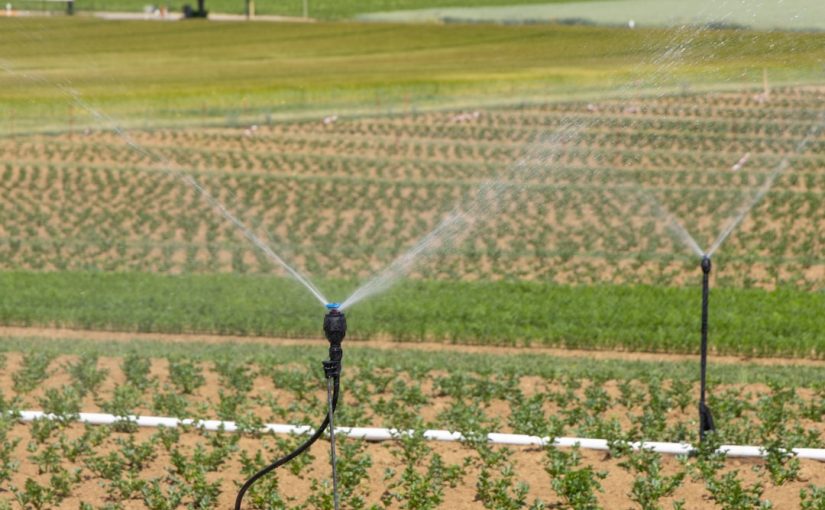
- Irrigation practices: Over-irrigation, where more water is applied than the soil can retain or plants can use, is a significant human-induced cause of leaching. Excess irrigation water functions similarly to heavy rainfall, pushing dissolved nutrients deeper into the soil or into groundwater.
- Snowmelt: In colder climates, rapid snowmelt can lead to a surge of water infiltrating the soil, particularly when the ground is still frozen or saturated from previous precipitation. This sudden influx can cause substantial leaching of accumulated nutrients.
- Water table fluctuations: A high water table can influence leaching by creating saturated conditions closer to the surface, and as the water table recedes, it can draw dissolved substances downwards.
The interplay of these factors determines the overall water movement through the soil, directly correlating with the potential for nutrient and chemical loss.
The table below illustrates how different water sources can contribute to soil leaching:
| Water source | Impact on leaching | Typical substances leached |
|---|---|---|
| Heavy rainfall | High; rapid downward movement of water | Nitrates, sulfates, calcium, magnesium |
| Over-irrigation | High; excess water applied artificially | Fertilizer components (N, P, K), pesticides |
| Snowmelt | Moderate to high; large volume of water in spring | Nitrates, dissolved organic carbon |
| Groundwater rise | Indirect; can saturate lower soil profiles | Salts, trace elements |
Soil characteristics: The internal susceptibility
Beyond the external influence of water, the inherent properties of the soil itself play a critical role in its susceptibility to leaching. Not all soils leach at the same rate, and understanding these differences is key to managing the problem.
- Soil texture: This refers to the proportion of sand, silt, and clay particles. Sandy soils, with their larger pore spaces, have high permeability and low water retention capacity, making them highly prone to leaching. Clayey soils, conversely, have smaller pores and higher water retention, which can reduce leaching rates, though prolonged saturation can still lead to it. Loamy soils, a mix of sand, silt, and clay, offer a balance.
- Soil structure: The arrangement of soil particles into aggregates influences water movement. Well-aggregated soils with stable structures can improve water infiltration without excessive deep percolation, allowing water to be held in micropores. Poorly structured or compacted soils may lead to either surface runoff or preferential flow paths, which can exacerbate leaching.
- Organic matter content: Soil organic matter (SOM) is a critical component for nutrient retention. It acts like a sponge, increasing the soil’s water holding capacity and providing negatively charged sites that can adsorb positively charged nutrient ions (cations) like potassium, calcium, and magnesium, preventing them from being leached away. Soils low in SOM have a reduced capacity to hold onto these vital nutrients.
- pH levels: Soil pH affects the solubility and mobility of various nutrients. For example, some micronutrients become more soluble in acidic conditions and thus more susceptible to leaching. Conversely, phosphorus can become less available in very acidic or very alkaline soils, though its mobility is generally low.
- Cation exchange capacity (CEC): CEC is a measure of the soil’s ability to hold positively charged ions (cations). Soils with high CEC (typically those rich in clay and organic matter) can retain more nutrients, making them less prone to leaching. Sandy soils generally have a low CEC, making them more vulnerable to nutrient loss.
Agricultural practices and human influence
Human activities, particularly in agriculture, significantly amplify the natural processes that cause soil leaching. Many modern farming methods, while aiming for increased yields, inadvertently contribute to nutrient loss and environmental degradation.
- Over-fertilization: The application of excessive amounts of synthetic fertilizers, especially nitrogen (in the form of nitrates) and potassium, is a primary driver. When more nutrients are applied than crops can absorb or the soil can retain, the surplus becomes highly susceptible to leaching with subsequent rainfall or irrigation. Nitrates are particularly mobile in soil water.
- Tillage methods: Intensive tillage can disrupt soil structure, reducing organic matter content and promoting the formation of a compacted layer below the tilled zone (hardpan). This can impede water infiltration, leading to runoff in some areas, or create pathways for rapid water movement through disturbed soil, increasing leaching. No-till or minimum tillage practices help preserve soil structure and organic matter, reducing leaching potential.
- Lack of cover crops and bare soil periods: Leaving agricultural fields bare, especially during fallow periods or between cropping seasons, exposes the soil to the elements. Without plant roots to take up nutrients and stabilize the soil, and without plant canopy to reduce the impact of rainfall, nutrients are more easily leached. Cover crops, conversely, absorb residual nutrients and protect the soil from erosion and leaching.
- Monoculture: Planting the same crop repeatedly can deplete specific nutrients from the soil, leading farmers to apply more fertilizers, which can increase the risk of over-fertilization and subsequent leaching.
- Deforestation and land use change: Removing natural vegetation, especially forests, drastically alters the hydrological cycle. Forests help retain water and nutrients; their removal leads to increased runoff and deep percolation, accelerating leaching and soil degradation.
Sustainable agricultural practices are essential to mitigate these human-induced causes and protect soil health.
Conclusion
In summary, soil leaching is a complex environmental process driven by an intricate interplay of water dynamics, inherent soil properties, and human-induced factors. We’ve explored how heavy rainfall and excessive irrigation act as primary agents, moving soluble nutrients and chemicals downward through the soil profile. Simultaneously, soil characteristics such as sandy textures, low organic matter content, and poor cation exchange capacity increase a soil’s vulnerability to these losses. Furthermore, modern agricultural practices like over-fertilization, intensive tillage, and leaving fields bare significantly exacerbate the problem, leading to depleted soil fertility and widespread water contamination.
Understanding these multifaceted causes is the first step toward effective mitigation. Preventing soil leaching requires a holistic approach, emphasizing sustainable land management, precise nutrient application, improved irrigation techniques, and the adoption of conservation practices like cover cropping and reduced tillage. By addressing these root causes, we can preserve vital soil nutrients, protect water quality, and ensure the long-term productivity and health of our agricultural and natural ecosystems.
Image by: Being Organic in EU