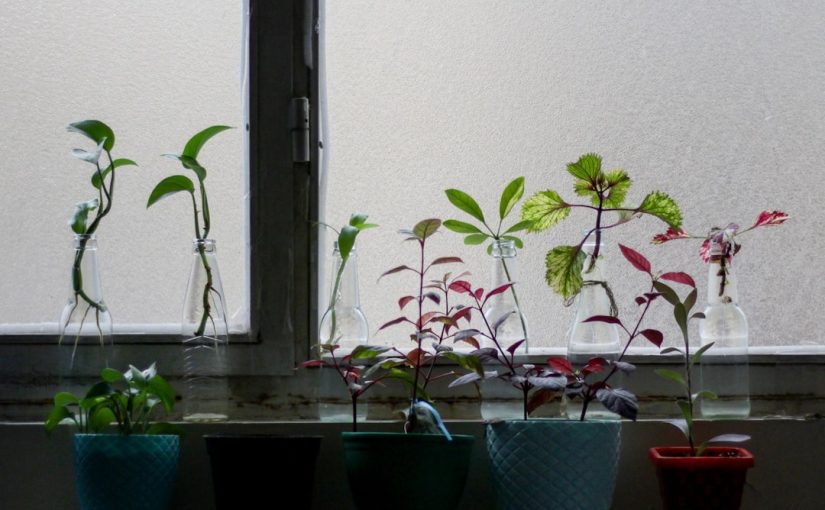
Heuchera, commonly known as coral bells, are celebrated perennials renowned for their spectacular foliage and versatility in the garden. With an incredible array of leaf colors, from deep purples and rich bronzes to vibrant limes and mottled silvers, and textures ranging from ruffled to smooth, they offer year-round interest. While their delicate flower spikes add a charming touch, it’s their leaves that truly steal the show. The key to maximizing their visual impact lies in thoughtful companion planting. Understanding which plants complement Heuchera’s unique attributes can transform a simple planting into a cohesive and captivating garden display, enhancing both beauty and ecological balance. This article will explore ideal companions to elevate your Heuchera plantings, ensuring a harmonious and thriving landscape.
Complementary foliage and texture
When selecting companions for Heuchera, consider plants that either echo their beautiful foliage or provide a striking contrast in texture and leaf shape. This creates depth and visual interest even when plants are not in bloom. For instance, the bold, often variegated leaves of Hostas make an excellent pairing. Their broad, smooth surfaces offer a strong contrast to Heuchera’s typically smaller, often ruffled or lobed leaves. Imagine a ‘Guacamole’ Hosta with its chartreuse and blue-green hues alongside a deep purple Heuchera ‘Palace Purple’, creating a lush, layered effect.
Ferns, with their delicate, lacy fronds, provide a beautiful textural counterpoint. Ostrich ferns (Matteuccia struthiopteris) or Japanese painted ferns (Athyrium niponicum ‘Pictum’) offer fine textures that make Heuchera’s more solid foliage stand out. The silvery-purple tones of Japanese painted fern, in particular, can beautifully pick up on similar hues found in many Heuchera varieties. Another fantastic option is Hakonechloa macra, or Japanese Forest Grass. Its graceful, arching blades create a soft, flowing texture that contrasts with the more static form of Heuchera, especially in shades of gold or variegated green, adding movement and light to the shade garden.
For a more subtle, yet equally effective, pairing, consider Tiarella (foamflower). Closely related to Heuchera, Tiarellas also boast attractive foliage, often deeply lobed or marked with central blotches. Their delicate, foamy white flower spikes rise above the foliage, creating a gentle texture that complements the Heuchera’s more robust form. Using Tiarellas allows for a cohesive look while introducing a slightly different leaf shape and bloom structure.
Adding pops of color and seasonal interest
While Heuchera are prized for their foliage, integrating plants that offer vibrant blooms can significantly enhance the garden’s overall appeal and extend seasonal interest. Astilbe are perfect partners, thriving in similar shade conditions and moist soil. Their feathery plumes, ranging in color from white and pink to red and purple, emerge in late spring to mid-summer, providing a dramatic vertical accent that contrasts with Heuchera’s mounding habit. A bright pink Astilbe ‘Fanal’ paired with a lime green Heuchera ‘Lime Rickey’ creates a stunning display of color and form.
Another classic shade garden bloomer is Bleeding Heart (Lamprocapnos spectabilis, formerly Dicentra spectabilis). Its charming heart-shaped flowers in pink or white, appearing in spring, offer a nostalgic beauty that complements Heuchera. While Bleeding Hearts often go dormant in summer, Heuchera’s evergreen or semi-evergreen foliage ensures continuous interest in that spot. For vibrant, continuous color throughout the warmer months, annuals like Impatiens can be tucked in among Heuchera. Their cheerful blooms provide an easy way to introduce bright reds, oranges, and purples, filling in gaps and adding a lively touch to the shade border.
For evergreen texture and subtle late-season blooms, Liriope spicata (creeping lilyturf) or Liriope muscari (big blue lilyturf) are excellent choices. Their grass-like foliage offers a strong textural contrast, and their spikes of purple or white flowers in late summer or fall provide a welcome burst of color as other plants begin to fade. Liriope’s ability to thrive in partial to full shade makes it a resilient companion that holds its own alongside Heuchera.
Groundcovers and low-growers for contrast
To create a truly finished garden bed, consider incorporating low-growing plants and groundcovers around your Heuchera. These not only provide additional layers of texture and color but also help suppress weeds and retain soil moisture. Ajuga reptans, or bugleweed, is a fantastic choice, known for its attractive foliage in shades of bronze, purple, or variegated green, and its spikes of blue or purple flowers in spring. It spreads to form a dense mat, effectively carpeting the ground around Heuchera and unifying the planting. The metallic sheen of Ajuga ‘Black Scallop’ can beautifully echo the deep tones of a dark-leaved Heuchera.
Vinca minor, or periwinkle, is another reliable evergreen groundcover that thrives in similar shady conditions. Its glossy, dark green leaves and charming blue-purple flowers in spring offer a classic, elegant backdrop. The fine texture of Vinca’s growth provides a pleasing contrast to Heuchera’s more upright mounding habit. For a pop of bright, cheerful color, Lysimachia nummularia ‘Aurea’, commonly known as Creeping Jenny, is a showstopper. Its brilliant chartreuse foliage forms a low, spreading carpet that can truly make darker Heuchera varieties pop. While it can be vigorous, its vibrant color makes it a valuable addition for contrast, especially in containers or contained beds.
Some shade-tolerant varieties of Sedum, like ‘Angelina’ or ‘Blue Spruce’ can also work in drier shade, offering succulence and a different structural element at ground level. Their unique leaf forms and often vibrant colors provide an interesting textural variation without competing with the Heuchera. These groundcovers help to create a seamless transition between plants and add a sense of lushness to the garden floor.
| Companion Plant | Key Aesthetic Contribution | Ideal Light/Moisture | Heuchera Pairing Suggestion |
|---|---|---|---|
| Hostas | Bold foliage, textural contrast | Part to full shade, moist | Dark Heuchera with variegated Hostas |
| Ferns (e.g., Japanese Painted) | Fine, lacy texture, metallic hues | Part to full shade, moist | Green Heuchera with silver-purple ferns |
| Astilbe | Feathery flower plumes, vertical accent | Part shade, moist | Lime green Heuchera with pink/red Astilbe |
| Ajuga reptans | Groundcover, contrasting foliage color | Part to full shade, moist | Bright Heuchera with dark Ajuga |
| Hakonechloa macra (Japanese Forest Grass) | Soft, arching texture, movement | Part shade, moist | Dark Heuchera with golden Hakonechloa |
Integrating heuchera with larger shrubs and trees
Heuchera are not just for small borders; they excel when integrated into larger landscape designs, particularly at the base of shade-loving shrubs and under deciduous trees. This layering technique creates a naturalistic, woodland feel and maximizes vertical garden space. Planting Heuchera around the skirts of Hydrangeas, particularly those that thrive in shade like bigleaf (Hydrangea macrophylla) or oakleaf (Hydrangea quercifolia) varieties, provides a beautiful transition from the ground layer to the larger shrub. The broad leaves and vibrant flowers of hydrangeas offer a wonderful backdrop and canopy for the Heuchera, which in turn add color and texture at their feet. Imagine a rich purple Heuchera ‘Midnight Rose’ beneath a ‘Limelight’ Hydrangea, whose green-white blooms complement the Heuchera’s deep tones.
Similarly, Rhododendrons and Azaleas, with their evergreen foliage and spectacular spring blooms, create an ideal environment for Heuchera. The Heuchera can fill the space beneath these ericaceous shrubs, providing continuous color and texture even after the azaleas have finished flowering. Their mounding habit helps to soften the often bare stems of older rhododendrons. Selecting Heuchera varieties with foliage that complements the bloom color of your Rhododendrons, such as a bronze Heuchera alongside a pink-flowering Azalea, can create a sophisticated palette.
For year-round structure, consider pairing Heuchera with Dwarf Conifers that tolerate partial shade. Small hemlocks (Tsuga canadensis varieties) or specific junipers can provide evergreen stability. The architectural form and often unique needle textures of conifers offer a strong contrast to the soft, mounding Heuchera foliage. This combination is particularly effective in creating vignettes in a shade garden, providing interest in all seasons. By placing Heuchera as the underplanting, you create a dynamic, multi-layered scene that feels both established and intentional, enhancing the overall depth and appeal of your garden.
In summary, pairing Heuchera with suitable companions is an art that blends aesthetic appeal with practical gardening wisdom. We’ve explored how integrating plants with complementary foliage, contrasting textures, vibrant seasonal blooms, and effective groundcover habits can create dynamic and enduring garden scenes. From the bold leaves of hostas to the airy plumes of astilbe, and the lush spread of ajuga, each suggested companion plays a unique role in enhancing the Heuchera’s inherent beauty. Remember to consider light requirements, moisture needs, and mature sizes to ensure long-term success, especially in shade gardens where conditions can vary. By thoughtfully selecting partners, you can design an environment where your Heuchera not only thrives but truly shines, offering continuous visual delight throughout the seasons and establishing a rich, layered garden tapestry. Thoughtful companion planting with Heuchera transforms a simple bed into a captivating display, celebrating the diversity of form and color in your outdoor space.
Image by: Mohammad saaraan