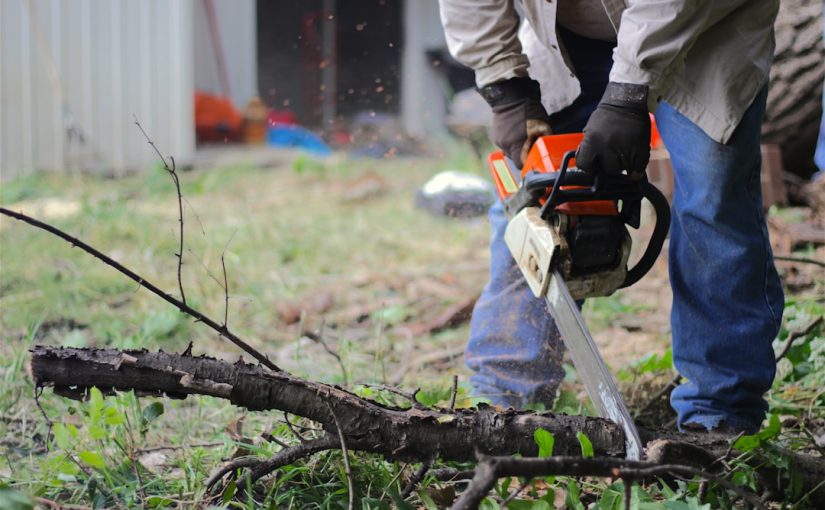
Navigating the world of chainsaw accessories can sometimes feel like a puzzle, especially when it comes to finding the perfect guide bar. If you own a Poulan chainsaw and identify it as a “14-inch Poulan,” you’re likely wondering what size bar is appropriate, or even what that “14-inch” designation truly means for your cutting capabilities. It’s a common misconception that a chainsaw labeled with a specific inch measurement definitively dictates its maximum or sole bar length. In reality, while many chainsaws are sold with a standard bar size, they often have the flexibility to accommodate slightly shorter or longer bars within a manufacturer-recommended range. Understanding these nuances is crucial for both safety and optimal performance. This article will delve into how to correctly identify your chainsaw’s needs, ensuring you select the ideal bar for your Poulan.
Understanding Poulan chainsaw designations
The term “14-inch Poulan” typically refers to the guide bar length that came standard with your chainsaw when it was purchased, or the maximum cutting length the manufacturer intends for that specific model in its default configuration. It’s important to distinguish this from the chainsaw’s engine size, which is usually measured in cubic centimeters (cc) and indicates its power output. A Poulan chainsaw designed for a 14-inch bar usually falls into the light to medium-duty category, suitable for tasks like limbing, pruning, and felling small to medium-sized trees. While a 14-inch bar is a great all-around length for many homeowner tasks, Poulan chainsaws often have a range of compatible bar lengths. For instance, a model shipped with a 14-inch bar might also be able to safely and efficiently operate with a 12-inch or even a 16-inch bar, depending on its engine power and design. The key is to never exceed the manufacturer’s recommended maximum length, as this can strain the engine, reduce cutting efficiency, and significantly increase the risk of kickback and other safety hazards.
Identifying your current bar size and suitable replacements
Before considering any bar replacements or alternative lengths, the first step is to accurately identify the specifications of your existing guide bar and chain, as well as consult your chainsaw’s owner’s manual. The owner’s manual is the definitive source for compatible bar lengths, chain pitch, and gauge for your specific Poulan model. If the manual is unavailable, you can often find the necessary information stamped directly onto your current guide bar. Look for numbers that indicate:
- Length: This is the effective cutting length, typically measured from the tip of the bar to where it enters the chainsaw’s powerhead.
- Pitch: This is the measurement of the chain, indicating the distance between three consecutive rivets divided by two. Common pitches for homeowner chainsaws include 3/8-inch low profile and .325-inch. The pitch of your new bar, chain, and drive sprocket must all match.
- Gauge: This refers to the thickness of the drive links on the chain, which ride in the groove of the guide bar. Common gauges are .050-inch or .043-inch. The gauge of your bar and chain must match precisely to prevent the chain from derailing or binding.
- Number of drive links: This is the total count of the links on the chain that sit in the bar groove. This number is specific to a particular bar length, pitch, and gauge combination.
Once you have these critical measurements, you can confidently shop for a replacement bar of the same length or explore manufacturer-approved alternative lengths while ensuring the pitch, gauge, and drive link count remain compatible with your chainsaw’s sprocket and powerhead.
Optimal bar length considerations for performance and safety
Choosing the right bar length for your Poulan goes beyond just finding a compatible match; it involves considering the tasks you’ll perform, your experience level, and the chainsaw’s engine power. For a chainsaw typically associated with a 14-inch bar, this length offers a good balance for general-purpose tasks around the home, providing adequate reach for most limbing and felling smaller trees without being overly cumbersome. However, you might consider a slightly different length based on your specific needs:
- Shorter bars (e.g., 12 inches): These are excellent for detailed work, pruning in tight spaces, or for users who prioritize maneuverability and reduced weight. They also tend to have a lower risk of kickback, making them a good option for less experienced users. The smaller engine on a “14-inch Poulan” will easily handle a 12-inch bar with maximum efficiency.
- Longer bars (e.g., 16 inches): While your chainsaw might be sold as a “14-inch Poulan,” some models can handle a 16-inch bar if the engine has sufficient power. A longer bar provides more reach and allows you to cut through thicker logs in a single pass. However, a longer bar increases the chance of kickback, requires more power from the engine, and can make the chainsaw feel heavier and more unwieldy. Always verify with your owner’s manual if a 16-inch bar is within your specific model’s recommended range.
Matching the bar length to the engine’s power is paramount for performance and longevity. An undersized engine struggling to drive an oversized bar will lead to slow, inefficient cutting, excessive wear on components, and potential overheating.
Ensuring full compatibility: pitch, gauge, and drive links
While bar length is the most visible aspect, the precise compatibility of pitch, gauge, and drive links is non-negotiable for safe and effective chainsaw operation. These three specifications must match across your guide bar, chain, and the chainsaw’s drive sprocket. Mismatched components can lead to immediate failure, damage to the chainsaw, and severe injury.
Here’s a breakdown of why each specification is crucial:
| Specification | Description | How to find it | Why it matters for compatibility |
|---|---|---|---|
| Bar length | The effective cutting length of the bar. | Stamped on existing bar, owner’s manual. | Determines cutting capacity; too long strains engine and increases kickback risk. |
| Chain pitch | Distance between three consecutive rivets divided by two. | Stamped on bar, owner’s manual, chain packaging. | Must precisely match the drive sprocket on your powerhead and the bar’s nose sprocket (if applicable). Incorrect pitch causes chain binding or slipping. |
| Chain gauge | Thickness of the drive links that fit into the bar groove. | Stamped on bar, owner’s manual, chain packaging. | Keeps the chain securely seated in the bar groove, preventing derailment and ensuring smooth travel. Mismatched gauge causes chain wobble or binding. |
| Number of drive links | Total count of the drive links on the chain. | Count them, owner’s manual, chain packaging. | This number is unique to a specific bar length, pitch, and gauge combination. It ensures the chain is the correct length to tension properly on the bar. |
Always verify all four of these specifications when purchasing a new bar or chain. Even a slight discrepancy in any of these measurements can render the component unusable or, worse, create a dangerous situation during operation.
In conclusion, while owning a “14-inch Poulan” provides a helpful starting point, selecting the correct guide bar involves a more detailed understanding of your chainsaw’s specific model and its compatible parts. The most reliable method is always to consult your owner’s manual, which provides the precise specifications for your chainsaw’s recommended bar lengths, chain pitch, and gauge. Failing that, meticulously examining your existing bar for stamped information will give you the crucial details needed. Remember, the goal is not just to match the length, but to ensure perfect harmony between the bar’s length, chain pitch, gauge, and drive link count with your chainsaw’s engine and drive sprocket. Prioritizing correct compatibility not only guarantees optimal cutting performance and efficiency but, more importantly, ensures your safety and extends the lifespan of your valuable Poulan chainsaw. When in doubt, it is always best to consult with a qualified chainsaw technician or the manufacturer directly.
Image by: Tim Umphreys