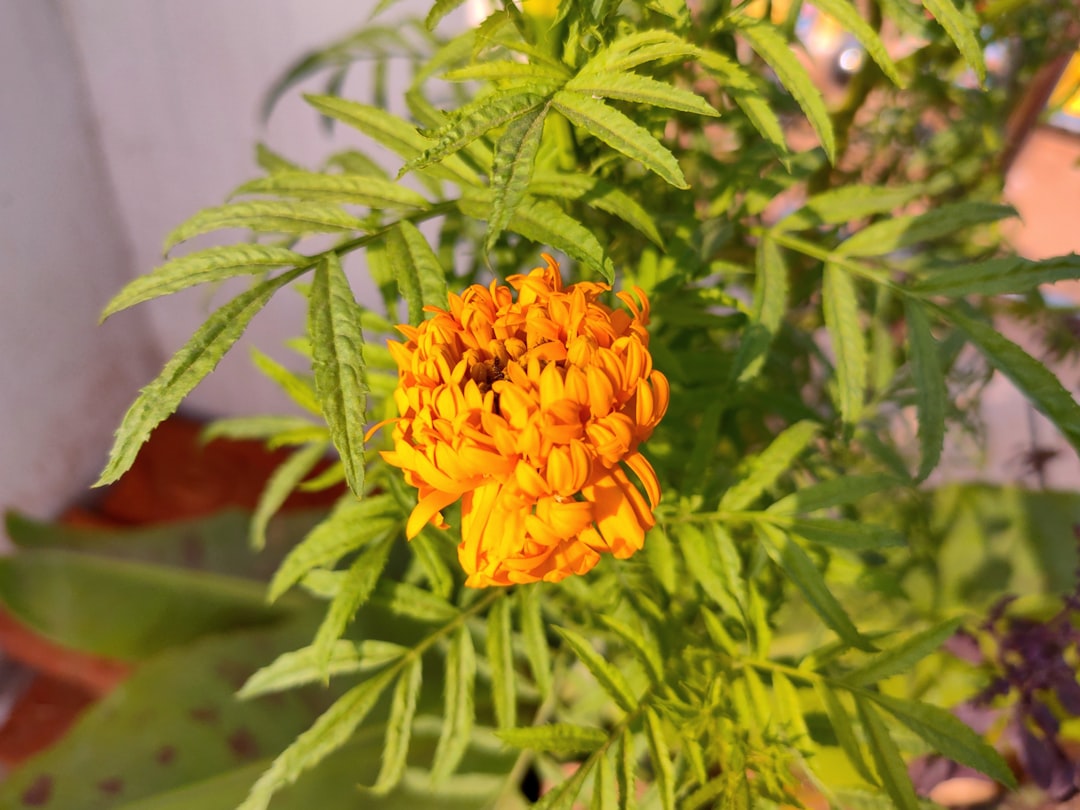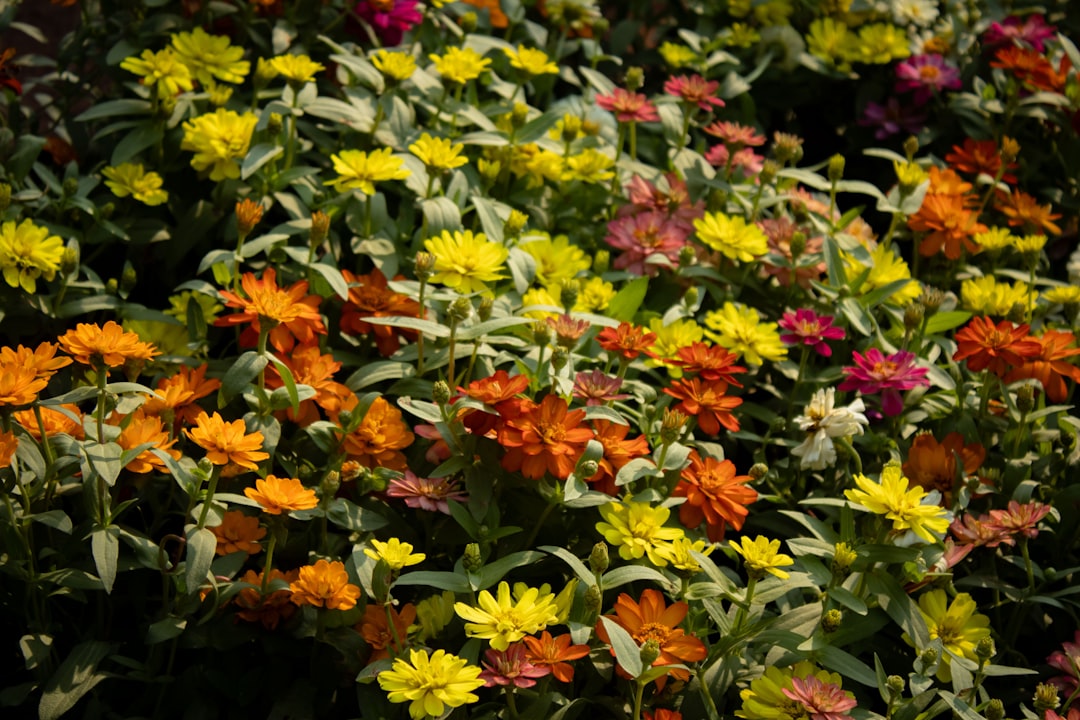
As the vibrant tapestry of summer begins to fade into the crisp, golden hues of autumn, many gardeners find themselves pondering the fate of their beloved marigolds. These cheerful, resilient annuals, known for their bright blooms and pest-repelling qualities, have graced our gardens with color and life for months. But when fall arrives, signaling the end of their peak growing season, the question arises: what exactly should we do with marigolds? This article will guide you through practical and creative approaches to managing your marigolds as temperatures drop, from extending their display to harvesting seeds for future seasons, and even repurposing them for soil health or autumnal decor. Let’s explore how to make the most of these versatile garden workhorses, ensuring their legacy lives on even after their flowers have finished blooming.
Extending the season’s joy
While marigolds are annuals, meaning they complete their life cycle within one growing season, you can often coax a little more life and color out of them as fall sets in. The key lies in attentive care and a bit of protection from early frost. Continue a regular deadheading routine, pinching off spent flowers. This prevents the plant from expending energy on seed production and encourages new blooms. Providing adequate water is still crucial, especially during dry spells, though less frequently than in summer. As temperatures begin to dip, consider covering your marigolds with a light frost cloth or an old sheet on nights when frost is predicted. This simple act can shield them from the cold, allowing their cheerful blossoms to persist for several extra weeks, bringing warmth to an otherwise cooling garden landscape. For container-grown marigolds, you might even move them to a sheltered spot on a porch or indoors near a sunny window to prolong their display.
Harvesting seeds for next year
One of the most rewarding fall tasks for any marigold enthusiast is collecting seeds for the following spring. This not only saves you money but also allows you to propagate your favorite varieties. To harvest seeds, wait until the flower heads are completely dry and brown, resembling a papery husk. Gently pull apart the dried head, and you’ll find slender, black seeds with a lighter, feathery tip. These are typically located at the base of the petals. Ensure the seeds are completely dry before storage to prevent mold. Spread them on a paper towel or screen in a warm, dry place for a week or two. Once fully dry, store them in a paper envelope or a small airtight container in a cool, dark, and dry location until planting time in spring. Proper storage is vital for seed viability. This simple process closes the loop on your marigold season, ensuring a fresh start for new blooms next year.
Here’s a quick guide for seed viability under ideal storage conditions:
| Marigold Type | Average Seed Viability (Years) | Optimal Storage Conditions |
|---|---|---|
| French Marigolds (Tagetes patula) | 2-3 years | Cool, dry, dark place (e.g., airtight container in pantry) |
| African Marigolds (Tagetes erecta) | 1-2 years | Cool, dry, dark place (e.g., airtight container in pantry) |
| Signet Marigolds (Tagetes tenuifolia) | 2-3 years | Cool, dry, dark place (e.g., airtight container in pantry) |
Marigolds as a natural soil enhancer
Beyond their aesthetic appeal and seed-saving potential, spent marigolds offer significant benefits to your garden soil. Rather than simply discarding them, consider incorporating them into your composting efforts or using them as a green manure. Marigolds are renowned for their ability to deter nematodes, microscopic roundworms that can damage plant roots. When the plants are tilled directly into the soil at the end of their life cycle, their decomposing roots release compounds that suppress these harmful nematodes, improving soil health for future plantings. You can chop up the plants and add them to your compost pile, where they will break down and enrich the compost with valuable organic matter. Alternatively, for a more direct approach, chop the entire plant and work it into the top few inches of your garden beds. This natural process enhances soil structure, boosts nutrient content, and contributes to a healthier, more resilient garden ecosystem without the need for chemical interventions.
Creative fall and winter uses
Even after their prime, marigolds can continue to bring beauty and utility into your home during the fall and winter months. Their vibrant colors make them excellent candidates for drying. To dry marigold heads, simply snip the flowers with a short stem and hang them upside down in a well-ventilated, dark place. Once dried, these colorful blooms can be incorporated into potpourri, wreaths, or autumnal floral arrangements, adding a touch of garden charm to your indoor decor. The petals can also be used as a natural dye, creating beautiful yellow and orange hues for fabrics or crafts. Furthermore, the strong scent that makes marigolds effective pest deterrents in the garden can be harnessed indoors. Dried marigold sachets or bundles placed in closets or drawers can help repel insects, offering a pleasant, natural alternative to chemical repellents. This allows the spirit of your summer garden to linger long after the last frost.
As fall descends and your marigolds reach the end of their seasonal display, there’s no need to simply bid them farewell. From extending their bloom with diligent care and frost protection to harvesting their precious seeds for next year’s bounty, these versatile annuals offer a multitude of opportunities. Incorporating spent plants into your soil as a natural nematode deterrent or enriching your compost pile are ecologically sound practices that boost garden health. Moreover, their vibrant colors can transition from the garden bed to indoor decor through drying, crafting, or even as natural insect repellents. By embracing these various fall strategies, you not only honor the beauty and utility of marigolds but also cultivate a more sustainable, vibrant garden cycle. So, as you tend to your garden this autumn, remember that your marigolds have much more to offer than just their summer blooms, extending their cheerful presence and benefits well into the cooler months.
Image by: Ranurte