Morning glories, with their vibrant trumpet-shaped blooms and vigorous vining habit, bring undeniable charm to summer gardens. However, as the colder months approach, many gardeners find themselves wondering what precisely to do with these enthusiastic annuals. Understanding their lifecycle and how they respond to winter’s chill is key to managing them effectively, whether you aim to prevent their return, encourage controlled self-seeding, or even attempt to overwinter specific varieties. This article will guide you through the essential steps for handling your morning glories as temperatures drop, ensuring your garden transitions smoothly from one season to the next without unwanted surprises. We’ll cover cleanup, propagation considerations, and planning for future blooms, helping you prepare your garden for the dormant season and beyond.
Understanding morning glories’ winter dormancy and annual cycle
Most common morning glory varieties, such as Ipomoea purpurea, are annuals in temperate climates. This means their entire life cycle, from seed to flower to seed, occurs within a single growing season. As soon as the first hard frost hits, you’ll notice a dramatic change: their lush foliage will begin to yellow, wilt, and eventually turn brown and crispy. This is a natural response to the cold, indicating that the plant has completed its cycle and is dying back. They are not built to withstand freezing temperatures, and their root systems will also perish in the frozen ground. Before succumbing to the cold, however, these plants are highly efficient at producing a multitude of seeds, which are often the source of their return the following spring through self-seeding. Recognizing this annual rhythm is the first step in deciding how to approach their winter management.
Preparing for winter: cleanup and prevention
Once your morning glory vines have been struck by frost and are clearly dead or dying, it’s time for cleanup. This step is crucial, not just for aesthetics but also for garden hygiene and managing future growth. The primary task is to cut back the dead vines at ground level. While they might still cling to trellises or supports, removing them prevents potential overwintering spots for pests and diseases. Use sharp pruning shears to make clean cuts, and dispose of the dead plant material responsibly. If you do not wish for morning glories to return next season, this is the critical moment to act on seed prevention. Carefully inspect the dying vines for mature seed pods. These pods typically turn brown and dry, containing several hard, black seeds. Collecting and discarding these seeds in the trash (rather than composting, where they might survive) will significantly reduce the number of volunteers that emerge in spring. Alternatively, if you wish to collect seeds for controlled planting next year, ensure they are fully mature and dry before storing them in a cool, dark place.
Overwintering specific varieties or for propagation
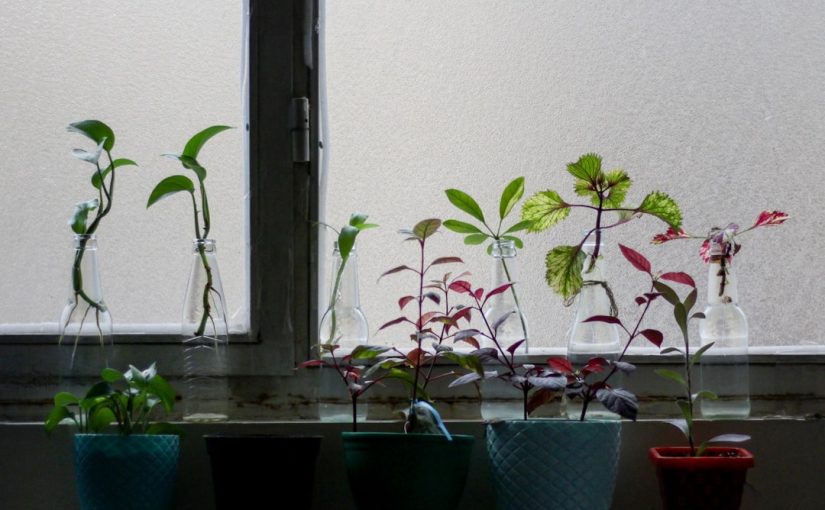
While most morning glories are annuals, some related species or ornamental varieties exhibit different cold tolerances that allow for overwintering under specific conditions. Understanding the difference between common morning glory vines and plants often grouped under the “morning glory” umbrella is key here. For instance, the popular ornamental sweet potato vine (Ipomoea batatas), while botanically related, is a tender perennial grown for its foliage. In zones colder than USDA 9, its tubers can be dug up before the first frost, allowed to dry, and stored in a cool, dark, frost-free location like a basement or garage, similar to dahlias. These tubers can then be replanted in spring. Another approach for tender perennials or even annuals is taking cuttings. Select healthy, non-flowering stems, root them in water or potting mix, and grow them indoors over winter in a bright location. This method effectively propagates new plants from the parent plant, bypassing the seed stage entirely. Below is a comparison of typical winter care for two common types:
| Plant Type | Botanical Name | Winter Hardiness | Typical Winter Action |
|---|---|---|---|
| Common Morning Glory | Ipomoea purpurea | Annual (dies with frost) | Cut back dead vines, remove seeds (to prevent spread), or collect seeds (for next season). |
| Ornamental Sweet Potato Vine | Ipomoea batatas | Tender Perennial (USDA Zones 9-11) | In cold zones, dig and store tubers indoors, or take cuttings to overwinter. In warm zones, may die back and return from roots. |
Planning for next season: managing self-seeders and new growth
Even with diligent cleanup, morning glories are notorious for their prolific self-seeding ability. Those tiny, hard seeds can remain viable in the soil for several years, patiently waiting for the right conditions to germinate. In spring, as soil temperatures rise, you’ll likely see a flush of small morning glory seedlings emerging in areas where they grew the previous year. If you desire a naturalized look, you can allow some of these volunteers to grow, thinning them out to prevent overcrowding. However, if you prefer a more controlled display or wish to prevent them from becoming invasive, it’s essential to rogue out these seedlings when they are young and easy to remove. Early intervention saves a lot of work later on. Preparing the soil in these areas in early spring – light cultivation or mulching – can also help in managing their appearance. For gardeners who want morning glories but in a specific spot, starting fresh with new seeds in a chosen location offers the most control over their placement and spread.
Managing morning glories through the winter season is primarily about understanding their annual life cycle and making intentional choices for the following year. Whether your goal is complete eradication, controlled self-seeding, or even overwintering a special variety through propagation, a few key actions can guide your efforts. Cutting back dead vines, diligently removing seed pods, and knowing when to dig tubers or take cuttings are all vital steps in transitioning your garden from one season to the next. By taking these proactive measures, you can ensure that your garden remains tidy, healthy, and ready for whatever beauty you choose to cultivate in the spring. This careful attention ensures that morning glories remain a delightful addition to your landscape, rather than an overwhelming one, allowing you to enjoy their charm on your own terms for many seasons to come.
Image by: Mohammad saaraan