When is the best time to harvest pumpkins? Achieving peak perfection
The sight of plump, colorful pumpkins ready for harvest is a cherished moment for any gardener, signaling the arrival of autumn and festive seasons. However, knowing precisely when to pluck these gourds from their vines is crucial for ensuring their vibrant color, firm texture, and impressive longevity. Harvesting too early can result in underdeveloped, flavorless pumpkins, while delaying too long risks damage from frost or disease. This article will delve into the essential indicators of ripeness, explore how variety and climate influence timing, and guide you through the best practices for harvesting and post-harvest care, ensuring your pumpkin bounty is nothing short of perfect for both decorative displays and culinary delights.
Understanding pumpkin ripeness: Visual cues and touch tests
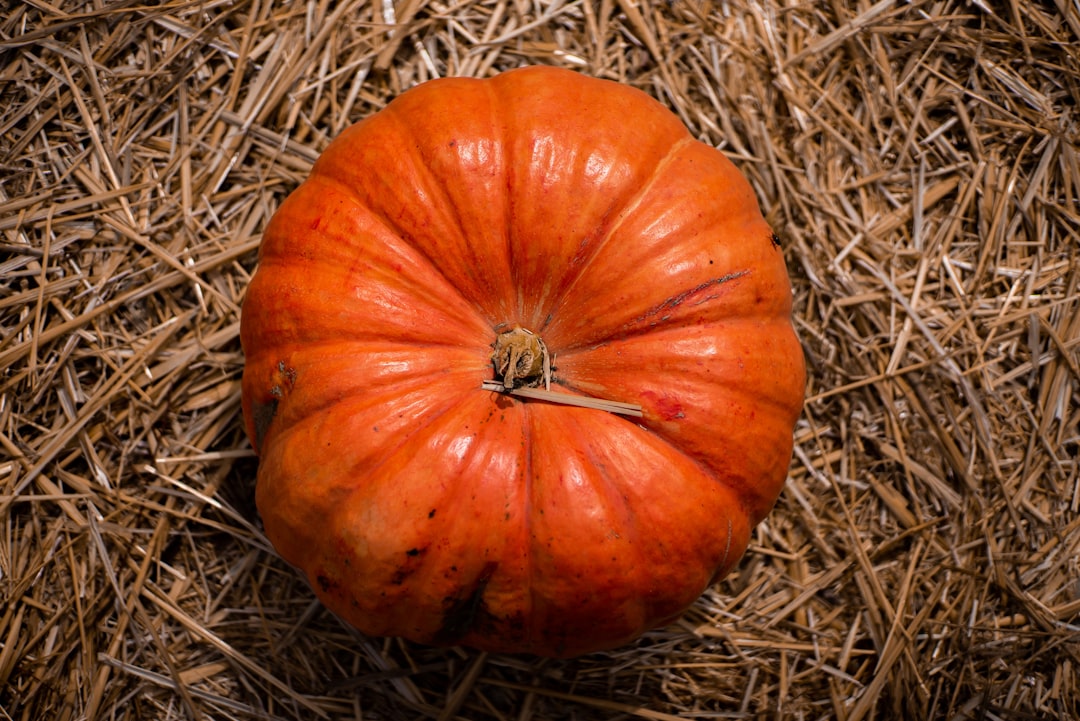
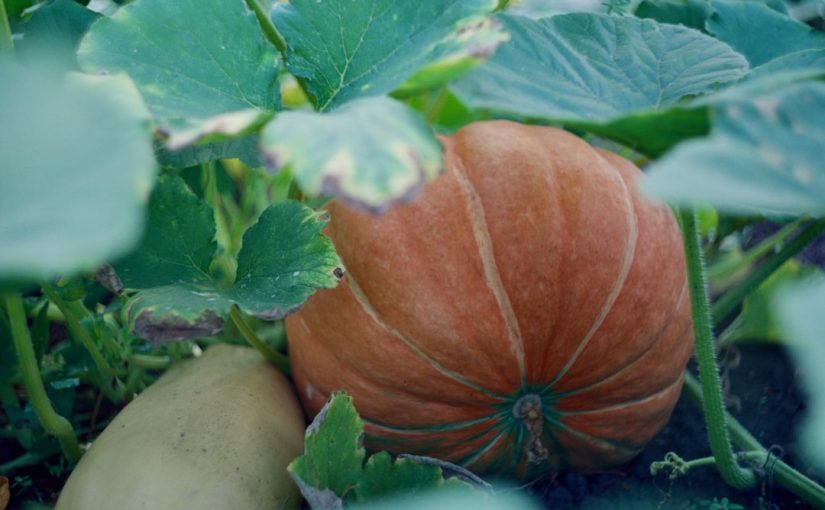
Determining the optimal time to harvest your pumpkins relies heavily on observing several key indicators. The most prominent sign of ripeness is the pumpkin’s color. A fully mature pumpkin will exhibit a deep, uniform orange, white, or specific hue characteristic of its variety. Any lingering green patches suggest it needs more time on the vine. The rind itself should be hard and firm to the touch; if you can easily dent it with your thumbnail, it is likely not ready. A soft rind indicates immaturity and a higher susceptibility to rot.
Another critical indicator is the stem. A mature pumpkin’s stem will harden, dry out, and often develop small cracks near the pumpkin’s body, changing from green and pliable to a woody texture. The tendril nearest to the pumpkin may also shrivel and die back. Do not mistake a fully green stem for a sign of immaturity, as some varieties retain a greener stem even when ripe. Finally, a traditional test involves gently thumping the pumpkin. A ripe pumpkin should produce a hollow, resonant sound, similar to a ripe watermelon, whereas an unripe one might sound dull or solid.
Timing by variety and climate: When to expect maturity
The journey from seed to harvest varies significantly between pumpkin varieties, with “days to maturity” (DTM) serving as a general guideline. These figures, usually found on seed packets, represent the average time from planting to harvest under ideal conditions. Small decorative pumpkins might mature in as little as 90-100 days, while larger carving varieties often require 110-120 days or even more. Understanding your specific variety’s DTM is a helpful starting point, though it should always be cross-referenced with the visual cues of ripeness.
Climate also plays a pivotal role. Pumpkins thrive in warm weather and are highly sensitive to frost. A light frost can often damage the leaves and vines, but a hard frost (temperatures below 28°F or -2°C) can severely damage the pumpkins themselves, turning the rind soft and leading to rapid spoilage. For this reason, it is often recommended to harvest pumpkins before the first hard frost, even if they appear slightly under-ripe. In regions with shorter growing seasons, selecting earlier-maturing varieties or starting seeds indoors can help ensure a timely harvest before cold weather sets in.
To illustrate the range, consider these common varieties and their approximate days to maturity:
| Pumpkin variety | Average days to maturity (from planting) | Typical size/use |
|---|---|---|
| Jack be little | 90-100 | Miniature, decorative |
| Sugar pie | 100-110 | Small-medium, culinary |
| Connecticut field | 110-120 | Medium-large, carving |
| Atlantic giant | 120-160 | Very large, record-breaking |
| Lumena | 90-110 | Medium, white decorative |
The importance of curing and storage for longevity
Once harvested, pumpkins benefit immensely from a process called curing. Curing hardens the rind, heals any minor nicks or scratches acquired during harvest, and helps to concentrate the sugars, enhancing flavor. This vital step significantly extends the pumpkin’s storage life. To cure pumpkins, place them in a warm, relatively humid environment (around 80-85°F or 27-29°C with 75-80% humidity) for about 7-14 days. A sunny spot outdoors, a greenhouse, or a warm garage can work well, provided there’s good air circulation.
After curing, the ideal storage conditions are cool and dry. A temperature range of 50-60°F (10-15°C) with low humidity (around 50-70%) is best for long-term storage. Basements, cool cellars, or even a pantry can be suitable. Ensure pumpkins are not touching each other to prevent the spread of rot, and inspect them regularly for any soft spots or signs of decay. Proper curing and storage can allow many pumpkin varieties to last for several months, sometimes even into the spring.
Harvesting techniques and tools: Protecting your bounty
The way you harvest a pumpkin can significantly impact its storage potential. Never pull or twist a pumpkin off its vine, as this can damage the stem or the fruit itself. Instead, use a sharp, clean knife, pruning shears, or loppers to cut the stem. It is crucial to leave a generous portion of the stem attached—at least 3 to 4 inches. A long, intact stem acts as a natural “handle” and, more importantly, prevents rot from entering the pumpkin through the stem end. If the stem breaks off completely, the pumpkin will likely spoil much faster.
Handle pumpkins carefully during harvest and transport. Avoid dropping, bruising, or piling them haphazardly, as any damage to the rind creates an entry point for bacteria and fungi, leading to premature decay. Carrying them by the stem is generally acceptable for smaller pumpkins, but for larger specimens, support the pumpkin from underneath. Wear gloves if your pumpkin vines are prickly. Harvesting on a dry day, after morning dew has evaporated, is also beneficial, as moisture can contribute to fungal issues.
Successfully harvesting pumpkins at their peak requires a keen eye, a bit of patience, and adherence to proven techniques. By observing the distinct visual and tactile cues of ripeness, understanding the unique characteristics of your chosen variety, and adapting to your local climate’s nuances, you can ensure your pumpkins are ready at just the right moment. The post-harvest processes of curing and proper storage are equally vital, transforming a freshly picked gourd into a long-lasting, versatile staple for autumn decorations and delicious recipes. Embrace these guidelines, and you’ll be rewarded with a bountiful, beautiful pumpkin harvest that truly embodies the spirit of the season.
Image by: Katerina Shkribey