For many home gardeners, the quest for a perfectly ripe, flavorful tomato is a season-long endeavor. A critical, yet often misunderstood, aspect of achieving this ultimate goal is managing watering as your tomatoes approach maturity. There’s a common misconception that stopping water entirely will somehow force ripening or intensify flavor, but the reality is far more nuanced. This article delves into the precise timing and methods for adjusting your watering schedule to ensure your tomatoes not only ripen beautifully but also develop that rich, robust taste we all crave. Understanding the plant’s physiological needs during this crucial phase can make all the difference between a mediocre harvest and a truly exceptional one, impacting everything from fruit quality to plant health.
The science behind tomato ripening and water
To understand when and how to adjust watering, it’s essential to grasp the role water plays in tomato ripening. Tomatoes are predominantly water, and consistent moisture is vital for fruit development. During the initial growth phases, water is crucial for cell expansion and nutrient transport from the soil to the developing fruits. As tomatoes begin to mature and change color, the plant shifts its energy from vegetative growth to fruit ripening. This process is largely governed by ethylene, a natural plant hormone. While some stress can indeed trigger ethylene production and hasten ripening, excessive or sudden drought stress can be detrimental, leading to issues like blossom end rot or tough, woody fruits with poor flavor.
The goal is to maintain a steady, moderate moisture level. Overwatering can lead to diluted flavors, soft skins, and fruit cracking, especially after a dry spell. Conversely, severe underwatering can cause the plant to shut down, hindering nutrient uptake and potentially causing the fruits to ripen prematurely while remaining small and under-developed. A balanced approach ensures the plant has enough moisture to continue the biochemical processes of ripening—such as sugar production and the development of flavor compounds—without becoming waterlogged or unduly stressed.
Identifying the optimal time to reduce watering
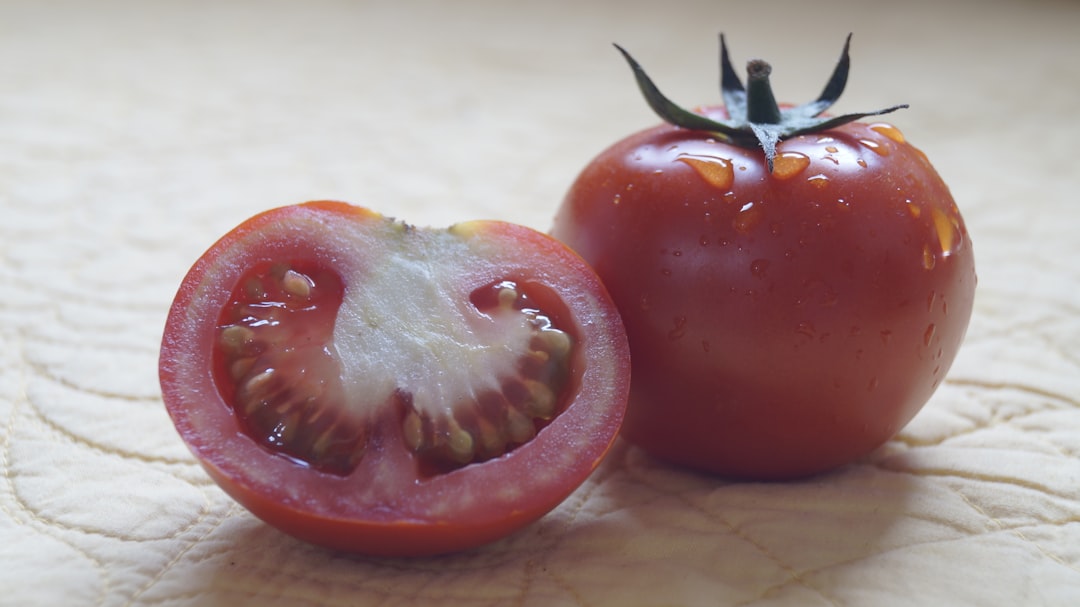
The key isn’t to abruptly stop watering, but rather to gradually reduce it as your tomatoes begin their final ripening stage. A good rule of thumb is to start this reduction when the first fruits on a cluster begin to show a blush of color, transitioning from solid green to a paler green with hints of yellow, pink, or red, depending on the variety. At this point, the fruits have largely completed their expansion and are now concentrating on flavor development. This visual cue signals that the most intense water-demanding period for fruit expansion is drawing to a close.
Monitoring your specific plant and environmental conditions is crucial. If you live in a hot, dry climate, you’ll need to be more cautious about drastic reductions than someone in a cooler, more humid area. Likewise, tomatoes grown in containers will dry out faster than those in raised beds or in-ground gardens. The transition should be gradual, typically over a period of 1-2 weeks, observing how the plants and fruits respond. Rather than stopping entirely, think of it as extending the periods between waterings and reducing the volume, ensuring the soil doesn’t become bone dry for extended periods.
How to adjust your watering schedule effectively
Once you’ve identified the optimal time to begin reducing water, implementing the change effectively is the next step. Instead of watering daily, you might switch to every other day, and then progress to every two or three days, depending on your soil type and weather. The aim is to allow the top few inches of soil to dry out between waterings, but the root zone should still retain some moisture. A good practice is to stick your finger about 2-3 inches into the soil; if it feels dry at that depth, it’s time to water. A soil moisture meter can also be a valuable tool for more precise measurements.
When you do water, make sure it’s a deep, thorough soaking rather than a shallow sprinkle. Deep watering encourages the roots to grow deeper, making the plant more resilient to slight fluctuations in moisture. Mulching heavily around your tomato plants is also highly beneficial during this phase. Mulch helps to conserve soil moisture, regulate soil temperature, and suppress weeds, all of which contribute to a more stable environment for ripening fruits. For drip irrigation systems, you might shorten the duration of each watering cycle or reduce the frequency of automatic irrigation. For hand watering, simply use less water per plant or increase the interval between waterings.
The benefits and risks: flavor, yield, and common issues
Proper water management during ripening offers significant benefits, primarily enhancing the flavor and quality of your tomatoes. By reducing watering, you encourage the plant to concentrate sugars and flavor compounds within the fruit, leading to a richer, less watery taste. This controlled stress can also result in firmer skins and better overall fruit integrity, reducing the likelihood of cracking and improving shelf life. Neglecting this crucial step, however, can lead to a host of problems.
Too much water can dilute flavor, make fruits prone to cracking (especially after a sudden rain following a dry spell), and increase susceptibility to fungal diseases. Conversely, severe drought stress can cause blossom end rot, premature ripening of small, underdeveloped fruits, and tough, mealy textures. The following table summarizes the impact of different watering strategies during the ripening phase:
| Watering Strategy | Impact on Ripening | Flavor & Texture | Common Issues |
|---|---|---|---|
| Consistent, heavy | Fast but potentially uneven | Diluted, watery taste; soft | Fruit cracking, fungal diseases |
| Reduced, consistent | Optimal, even ripening | Intense, rich flavor; firm | Minimal issues; balanced |
| Severe drought (too little) | Stressed, stunted ripening | Tough, mealy texture; bland | Blossom end rot, small fruits, tough skins |
Finding that sweet spot of reduced, consistent watering is key to harvesting a bounty of perfectly ripe, intensely flavored tomatoes.
Mastering the art of watering tomatoes as they ripen is a pivotal step towards achieving that coveted burst of garden-fresh flavor. As we’ve explored, the strategy isn’t about abruptly stopping water, but rather about a thoughtful and gradual reduction, aligning with the plant’s shift from growth to maturation. By observing your plants for initial signs of blushing, understanding the nuances of soil moisture, and adjusting your schedule accordingly, you can significantly enhance the sweetness, texture, and overall quality of your harvest. Remember, every garden is unique, and consistent observation is your best tool. Pay attention to your specific plant varieties, local climate, and soil conditions to fine-tune your approach. With these insights, you’re now equipped to guide your tomatoes to their delicious, fully ripened potential, ensuring a season filled with the unparalleled taste of homegrown goodness.
Image by: Matt L