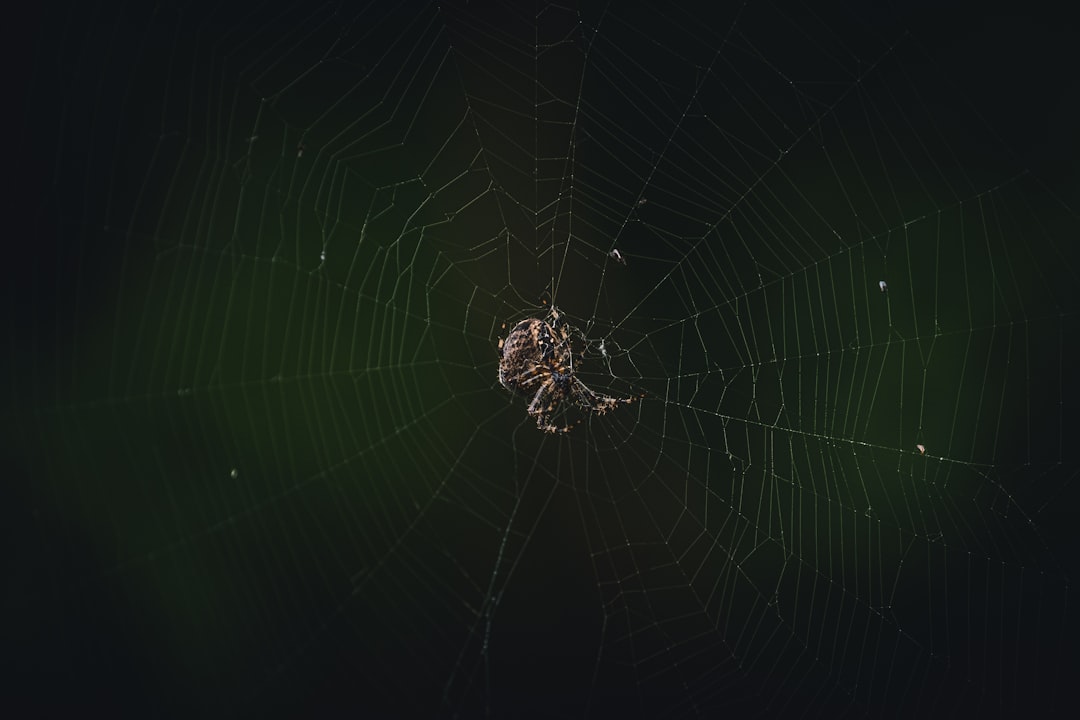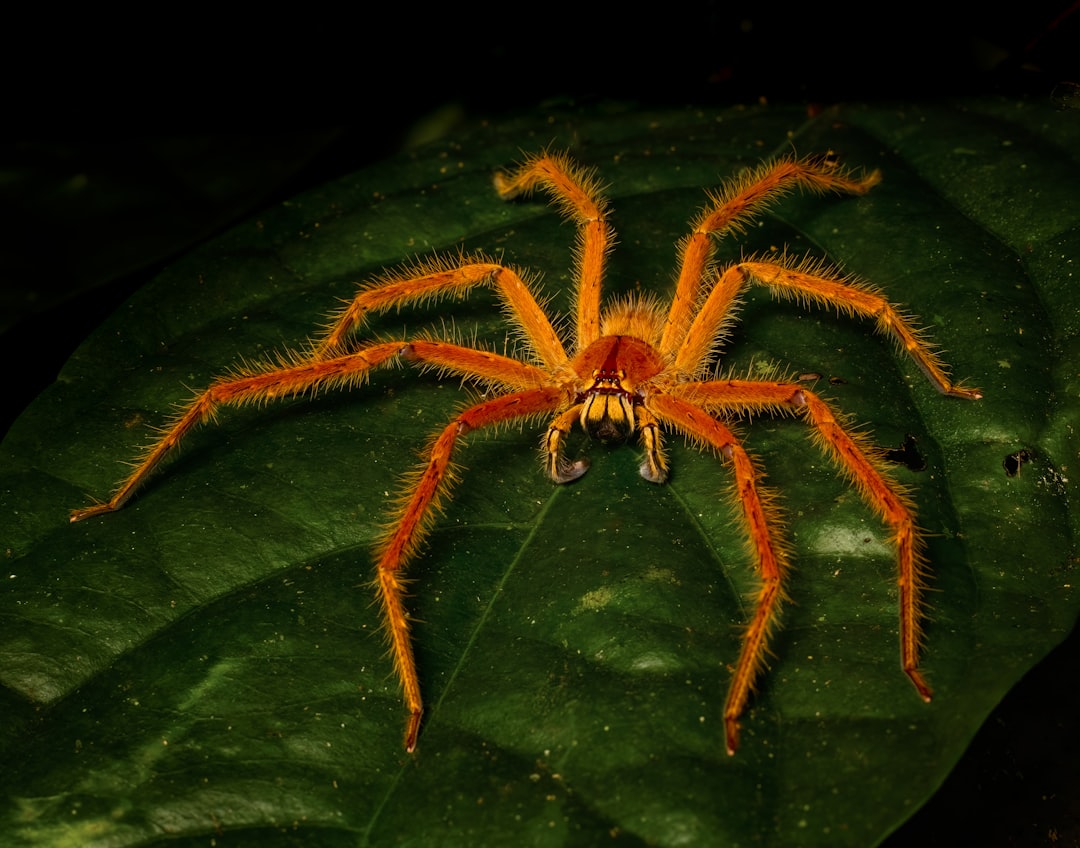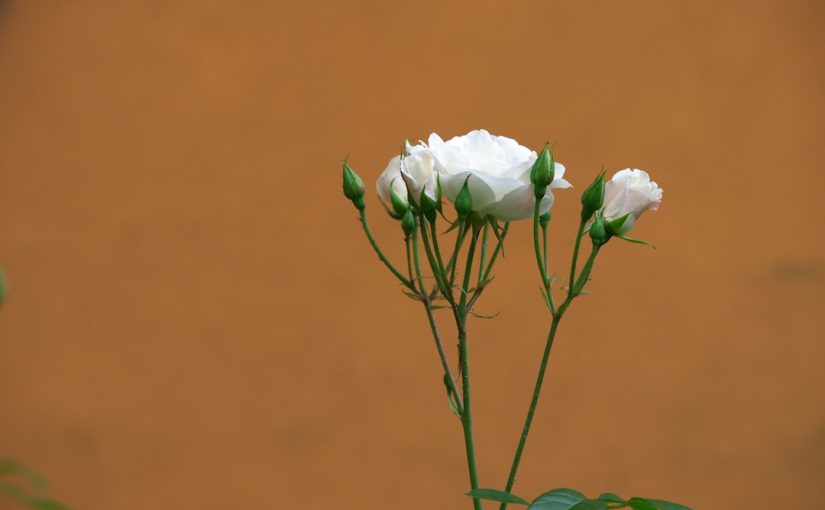
The sight of a delicate white spider nestled within the vibrant petals of a rose blossom often sparks a mix of fascination and apprehension among gardeners. These cryptic arachnids, predominantly a type of crab spider, are masters of camouflage, blending seamlessly with their floral surroundings. Far from being a mere aesthetic curiosity, their presence in your rose garden speaks volumes about the intricate ecological balance at play. This article will delve into the world of these remarkable creatures, exploring their identity, their unique hunting strategies, their impact on your beloved roses, and how gardeners can better understand and coexist with these natural inhabitants. Prepare to unravel the mystery of the white spiders that call your roses home.
The elusive white spider: a master of disguise
Often, the white spiders you encounter in your roses belong to the genus Misumena, most notably Misumena vatia, commonly known as the flower crab spider. These fascinating arachnids are characterized by their flattened, crab-like bodies and their ability to move sideways, much like a crab. Their front two pairs of legs are significantly longer and more robust than the rear pairs, perfectly adapted for grasping prey. What truly sets them apart, however, is their remarkable capacity for camouflage. These spiders can change their body color from white to yellow, and sometimes even a pale green, to match the hue of the flower they inhabit. This color change is not instantaneous; it can take several days, sometimes up to two weeks, as the spider manipulates its liquid pigment within its epidermal cells. This incredible adaptation allows them to remain virtually invisible to both predators and unsuspecting prey, making them one of nature’s most effective ambush hunters.
Rose blossoms as a hunting ground: understanding their strategy
The choice of rose blossoms as a hunting ground for white spiders is a testament to their evolutionary cunning. Roses, with their rich nectar and abundant pollen, act as magnets for a wide array of insects, many of which are key pollinators. For the flower crab spider, these blossoms are not just aesthetically pleasing backdrops; they are prime hunting territories. Unlike most spiders that rely on intricate webs to ensnare their meals, Misumena vatia is an ambush predator. It positions itself strategically, often in the heart of a bloom or on a petal, waiting motionless for an insect to come within striking distance. When a bee, fly, butterfly, or even a small beetle lands nearby, the spider launches a lightning-fast attack, seizing its prey with its powerful front legs and injecting venom. This rapid, precise method ensures a consistent food supply, demonstrating a highly specialized adaptation to its floral environment.
Ecological role: friend or foe in the rose garden?
The presence of white spiders in your rose garden can evoke different reactions, but from an ecological perspective, they often lean towards being beneficial. These spiders are opportunistic predators, and their diet includes a variety of insects that frequent flowers. While they might occasionally capture a beneficial pollinator like a bee, they also consume many common garden pests. Aphids, thrips, small caterpillars, and various flies that can cause damage to roses are all potential targets for these efficient hunters. Thus, they contribute significantly to natural pest control within your garden ecosystem, reducing the reliance on chemical pesticides. Their predatory actions help maintain a natural balance, suggesting that the benefits they bring in pest suppression generally outweigh the occasional loss of a pollinator. Understanding this intricate balance allows gardeners to appreciate their role rather than view them as a threat.
| Aspect | Description |
|---|---|
| Primary prey | Bees, flies, butterflies, wasps, thrips, aphids, small beetles. |
| Beneficial impact | Natural control of various garden pests, reducing reliance on chemical treatments. |
| Potential downside | Can occasionally prey on beneficial pollinators, though not typically to a detrimental degree for the overall garden. |
| Gardener’s action | Observe and appreciate; rarely requires intervention due to balanced ecological role. |
Living with nature: management and observation tips
For gardeners, the best approach to white spiders in rose blossoms is generally one of observation and minimal intervention. These spiders are a natural component of a healthy garden ecosystem, acting as part of nature’s own pest management team. Rather than attempting to remove them, which is often unnecessary and can disrupt the natural balance, consider them as indicators of a thriving environment. Take time to observe their hunting behavior; it is truly fascinating to witness their patience and speed. If you are concerned about a specific spider consistently preying on a particularly rare or important pollinator, you could gently relocate it to another flowering plant, though this is seldom required. The most effective “management” strategy is to foster a diverse garden, rich in various plants, which naturally encourages a wide range of beneficial insects and predators, including these intriguing white spiders. By avoiding broad-spectrum pesticides, you protect these natural allies, allowing them to continue their important work.
In conclusion, the white spiders found gracing your rose blossoms are far more than just intriguing anomalies. These fascinating crab spiders, primarily Misumena vatia, are skilled ambush predators whose pristine white camouflage allows them to thrive in floral environments. They play a significant, often beneficial, role in the garden ecosystem by preying on various insects, including some common rose pests. While they may occasionally capture a beneficial pollinator, their overall impact leans towards natural pest control, contributing to a healthier and more balanced garden. Understanding their behavior and ecological niche empowers gardeners to appreciate these creatures rather than fear them. By observing and making informed decisions, we can foster a rich biodiversity, ensuring our rose gardens flourish as vibrant havens for both flora and fauna. Embrace the natural complexity your garden offers.
Image by: Tadeusz Zachwieja