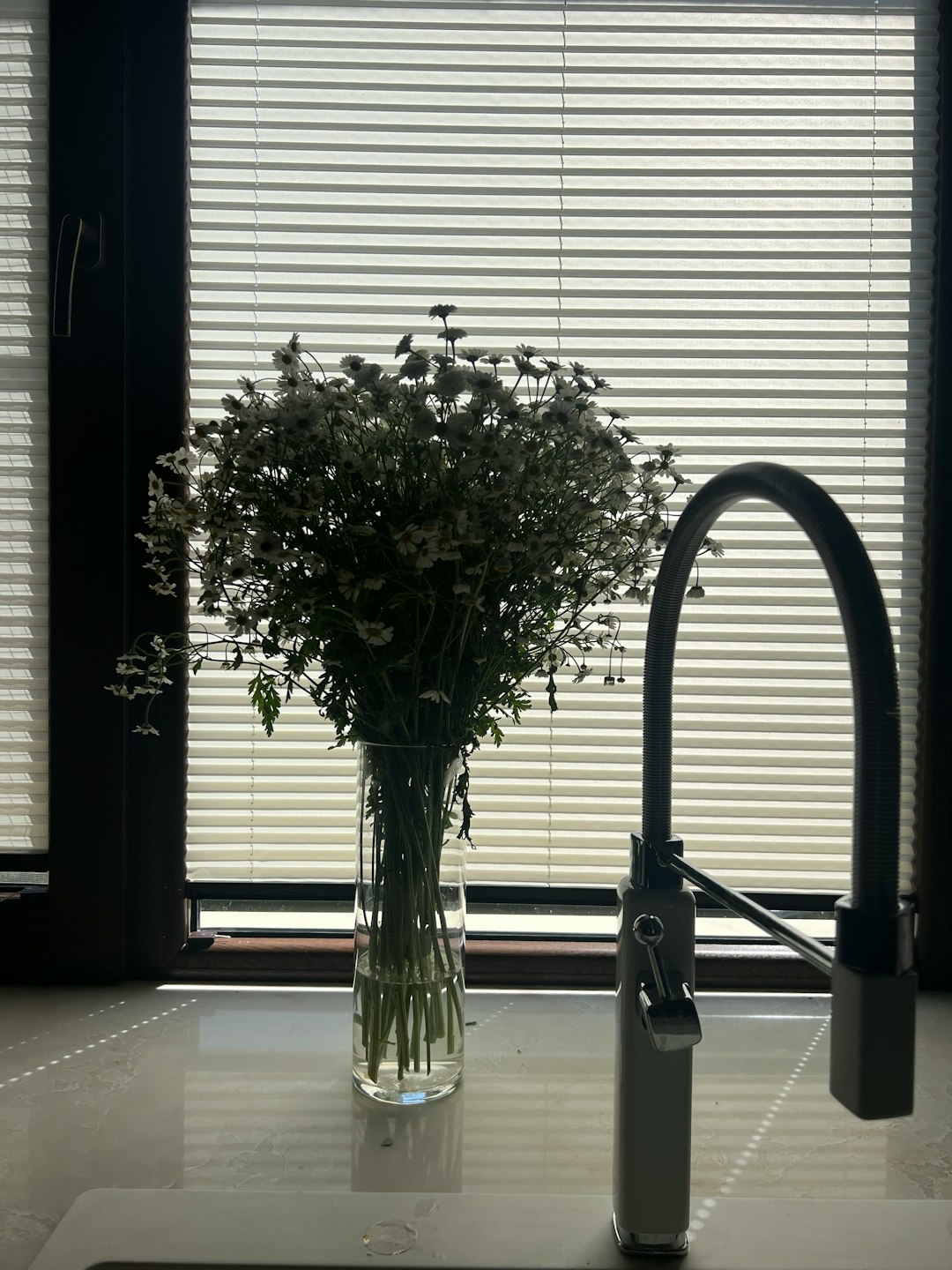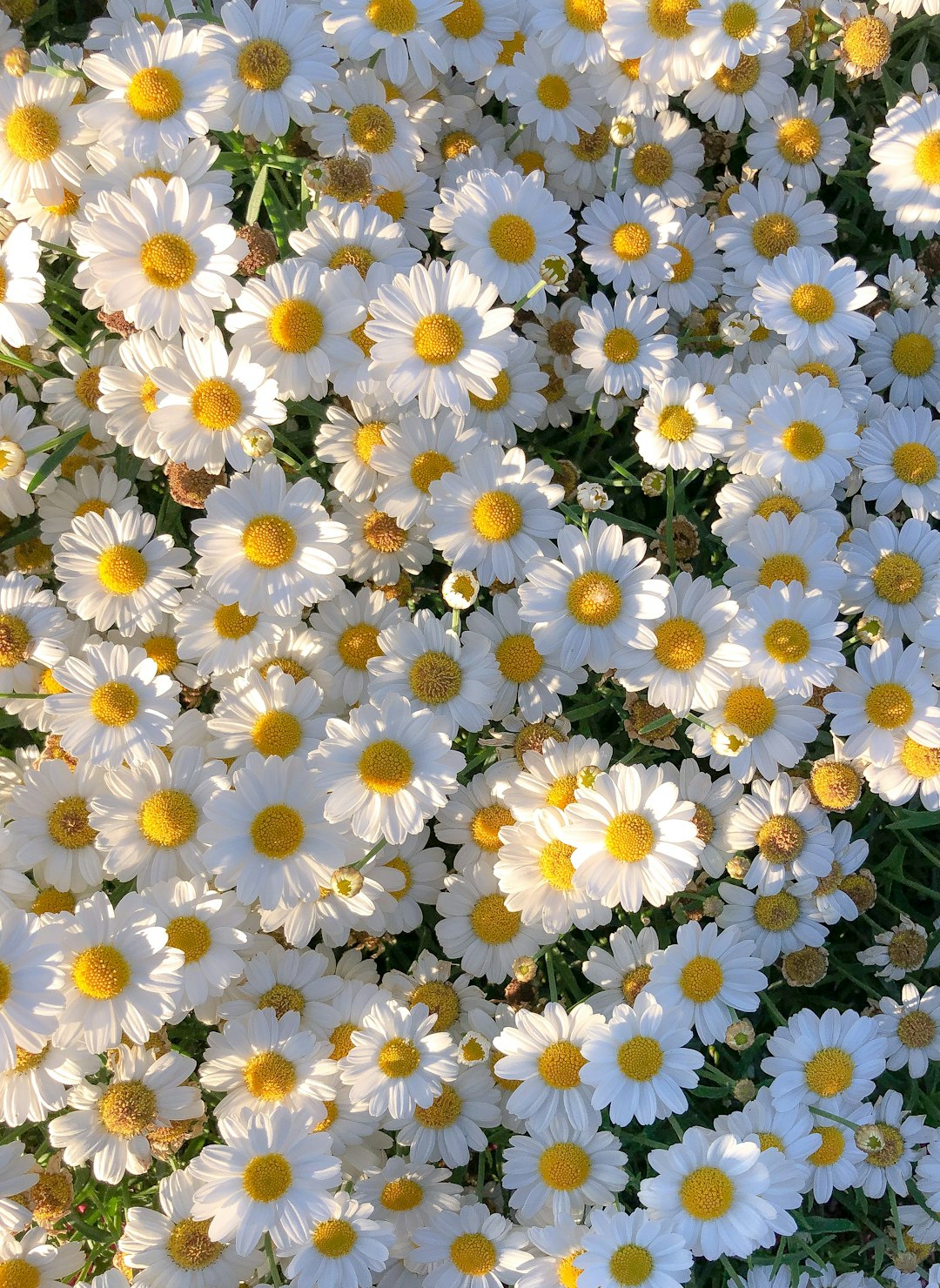
Shasta daisies (Leucanthemum x superbum) are beloved garden staples, gracing landscapes with their cheerful, white-petaled blooms and sunny yellow centers. Their robust nature and extended flowering season make them a favorite among gardeners. However, even these seemingly resilient perennials can occasionally present a disheartening sight: wilting. When your vibrant Shasta daisies begin to droop and lose their characteristic perkiness, it’s a clear signal that something is amiss. This common garden predicament can stem from a variety of causes, ranging from simple environmental factors to more serious underlying issues. Understanding the specific reasons behind your Shasta daisies’ distress is the first crucial step toward diagnosing the problem and implementing an effective solution to restore them to their full, glorious splendor.
The thirst trap: understanding watering woes
One of the most frequent culprits behind wilting Shasta daisies is improper watering. It’s a delicate balance; both too little and too much water can lead to similar-looking symptoms, making accurate diagnosis essential. Under-watering causes the plant cells to lose turgor pressure, the internal water pressure that keeps stems and leaves firm. When there isn’t enough moisture available in the soil for the roots to absorb, the plant essentially deflates. The leaves might appear limp, dry, and even crispy at the edges, and the entire plant will droop.
Conversely, over-watering can be equally detrimental, though its mechanism is different. Excessive moisture suffocates the roots by depriving them of oxygen. Roots need oxygen to function properly and absorb water and nutrients. When waterlogged, roots essentially drown and begin to rot, becoming unable to take up water even if it’s abundant in the soil. This leads to symptoms that mimic under-watering—the plant wilts because its damaged roots cannot supply it with hydration, despite the surrounding moisture. Leaves might also yellow and feel soft, rather than dry. A simple finger test, inserting your finger 2-3 inches into the soil, can often reveal the true nature of the moisture levels.
| Problem | Soil indicator (2-3 inches deep) | Leaf symptoms |
|---|---|---|
| Under-watering | Bone dry, dusty | Limp, dry, crispy edges, brittle |
| Over-watering | Soggy, muddy, standing water | Yellowing, soft, droopy but not dry, sometimes mushy |
| Ideal moisture | Damp, but not wet | Vibrant, firm, upright |
Underground challenges: soil composition and drainage issues
Beyond the frequency of watering, the very composition of your garden soil plays a pivotal role in the health of your Shasta daisies. Poor soil quality and drainage problems are often silent contributors to wilting. Shasta daisies thrive in well-draining soil, as this allows roots to access both water and essential oxygen. Heavy clay soils, for instance, retain too much water, creating an environment ripe for root rot, even with moderate watering. Conversely, excessively sandy soils might drain too quickly, preventing roots from absorbing sufficient moisture, especially during hot spells.
Soil compaction is another significant issue. Over time, particularly in high-traffic areas or plots with heavy machinery use, soil can become dense and compacted. This reduces the pore space necessary for air and water movement, restricting root growth and impeding their ability to absorb nutrients and moisture. Roots struggle to penetrate compacted soil, effectively “starving” the plant of what it needs. A simple soil test can reveal if your soil lacks organic matter, is too acidic or alkaline, or has nutrient deficiencies. Shasta daisies prefer a slightly acidic to neutral pH (6.0-7.0) and require a balanced supply of macro and micronutrients for vigorous growth and flowering. Nutrient imbalances, either too little or too much of certain elements, can manifest as stunted growth, yellowing, and eventually, wilting.
Hidden threats: pests, diseases, and environmental stress
Sometimes, wilting isn’t about water or soil, but rather a more insidious threat from pests or diseases, or external environmental pressures. Pests like aphids, spider mites, or thrips can infest Shasta daisies, sucking vital sap from the plant’s tissues. While often causing leaf distortion or discoloration first, a severe infestation can weaken the plant considerably, leading to overall wilting as its ability to transport nutrients and water is compromised. Inspect the undersides of leaves and new growth for visible insects or their sticky residue.
Diseases, particularly fungal infections, are another common cause of wilting. Root rot, as mentioned earlier, is often a consequence of over-watering and poor drainage, but specific pathogens like Fusarium wilt or Verticillium wilt can also invade the plant’s vascular system, blocking water and nutrient transport even when soil moisture is adequate. These diseases typically cause a gradual wilting that progresses throughout the plant, often accompanied by yellowing leaves. Environmental stressors can also trigger wilting. Intense heat and direct afternoon sun can cause temporary wilting as the plant transpires more water than its roots can supply. This is often a self-protective mechanism, where the plant recovers once temperatures drop or shade is provided. Transplant shock, sudden temperature fluctuations, or even strong winds can stress a plant enough to cause temporary wilting as it adjusts to new conditions or repairs minor damage.
Cultivating resilience: practical solutions for healthy shastas
Reviving wilting Shasta daisies and preventing future occurrences hinges on understanding the specific cause and implementing targeted solutions. If under-watering is the issue, establish a consistent watering schedule, ensuring the soil remains consistently moist but never soggy. Water deeply to encourage robust root growth. For over-watering, allow the soil to dry out significantly before the next watering, and consider improving drainage by amending heavy clay soils with organic matter like compost or grit. Raised beds can also be an excellent solution for areas with persistent drainage problems.
Addressing soil composition involves a long-term approach. Incorporating plenty of organic matter will improve both drainage in heavy soils and water retention in sandy soils, while also providing a slow release of nutrients. A soil test can guide you on pH adjustments and necessary nutrient supplementation. For pests, organic solutions such as insecticidal soap, neem oil, or introducing beneficial insects can be effective. Diseased plants, especially those with root or vascular wilts, might need to be removed to prevent further spread, though improving air circulation and avoiding overhead watering can help prevent many fungal issues. Lastly, providing appropriate environmental conditions—full sun to partial shade, protection from extreme heat, and proper spacing for air circulation—will significantly enhance your Shasta daisies’ resilience. Regular observation is your best tool; catching problems early dramatically increases the chances of a full recovery.
The sight of wilting Shasta daisies can certainly be disheartening for any gardener who cherishes these beautiful blooms. However, as we’ve explored, this common issue is rarely a mystery without a solution. Whether it’s the critical balance of soil moisture, the fundamental structure and nutrient content of the soil, or the insidious work of pests and diseases, a careful investigation into your garden’s conditions will typically reveal the root cause. Understanding the interconnectedness of these factors – from the hydration cycle to microscopic soil life and external environmental pressures – empowers you to move beyond superficial fixes and implement lasting solutions.
By adopting attentive watering practices, enriching your soil with organic matter to ensure optimal drainage and fertility, and proactively monitoring for pests or signs of disease, you can cultivate an environment where your Shasta daisies truly thrive. Remember, plants often communicate their needs through their appearance. Paying close attention to these signals and responding thoughtfully will not only revive your wilting plants but also foster a healthier, more vibrant garden for years to come. Your Shastas deserve to stand tall and proud, and with a bit of informed care, they will continue to bless your garden with their cheerful presence.
Image by: Annisa Asyarofa