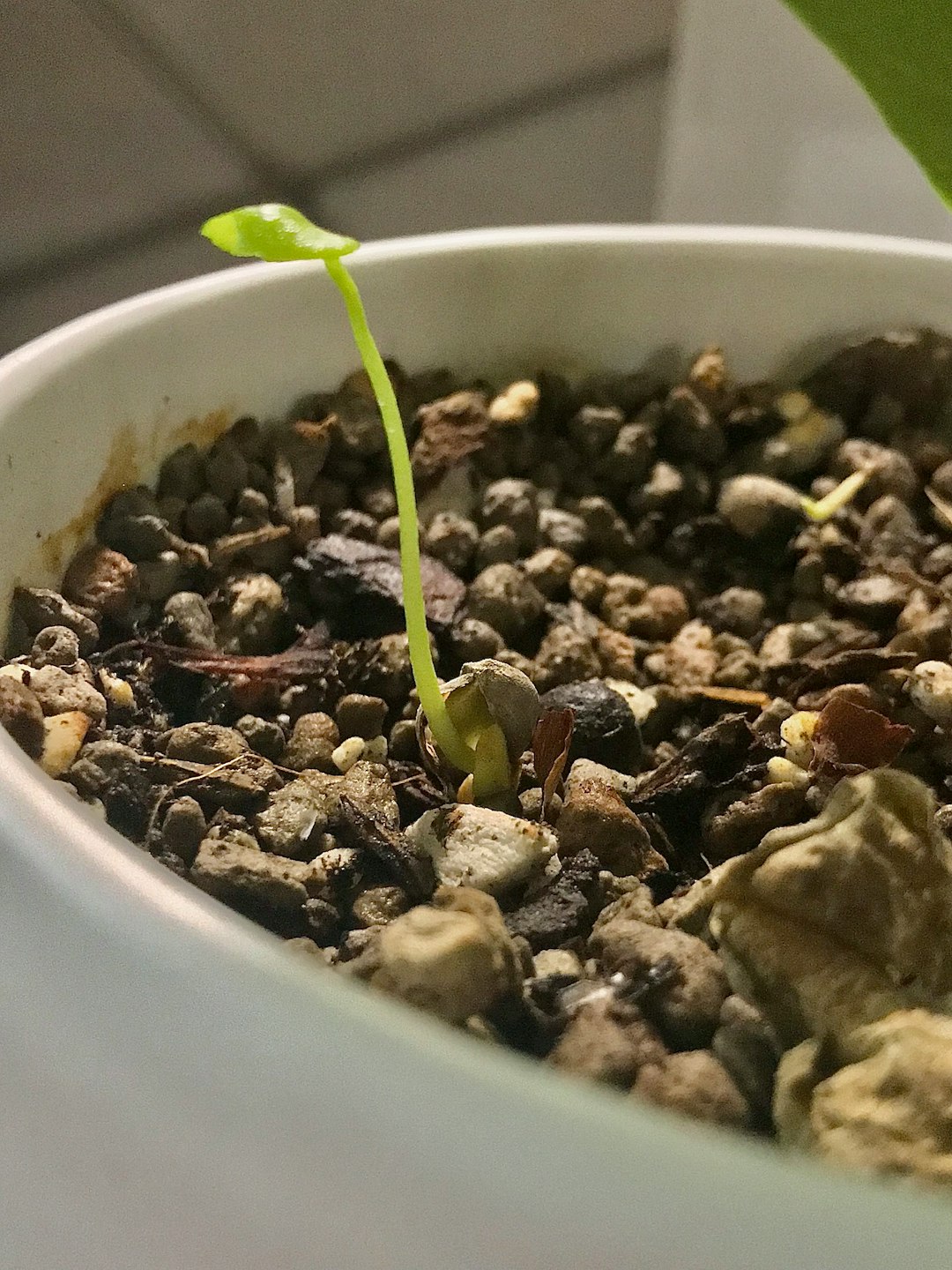
The exhilarating journey of nurturing your own tomato plants often begins with the delicate act of transplanting them from small containers to their new home in the garden bed or larger pots. This transition, while essential for growth, can sometimes present an alarming challenge: your vibrant green tomato leaves suddenly start turning yellow. Witnessing this discoloration can be disheartening for any gardener, sparking immediate concern for the health and future yield of your precious plants. Understanding why this phenomenon occurs is the first step towards rectifying the issue and ensuring your tomatoes thrive. From the initial shock of relocation to subtle environmental imbalances, several factors can contribute to yellowing leaves, each requiring a specific approach for recovery.
Transplant shock: The initial adjustment phase
One of the most common culprits behind yellowing tomato leaves immediately following transplantation is transplant shock. This physiological stress occurs because the plant experiences a sudden change in environment, often accompanied by some degree of root disturbance or damage during the transfer. When roots are damaged, their ability to absorb water and nutrients from the soil is temporarily compromised. The plant, in response, may shed older, lower leaves to conserve resources, which often manifest as yellowing.
Symptoms of transplant shock include:
- Wilting, even if the soil is moist.
- Stunted growth.
- Yellowing of lower leaves, sometimes followed by browning.
While alarming, transplant shock is usually temporary. To minimize it, ensure you harden off seedlings before transplanting (gradually expose them to outdoor conditions), disturb roots as little as possible, and water thoroughly immediately after planting. Providing some temporary shade for the first few days can also help the plant acclimate.
Nutrient imbalances: What your soil might be lacking
Beyond the initial shock, yellowing leaves can often signal a nutrient deficiency, especially once the plant starts trying to establish itself. Transplanting into poor soil or soil with an imbalanced pH can quickly lead to nutrient uptake issues, even if nutrients are technically present in the soil. Tomatoes are heavy feeders and require a balanced diet for healthy foliage and fruit production. Here are some common nutrient deficiencies indicated by yellowing:
| Nutrient Deficiency | Description of Yellowing | Typical Location on Plant |
|---|---|---|
| Nitrogen (N) | General pale green to yellow; affects entire leaf. | Older, lower leaves first |
| Magnesium (Mg) | Interveinal chlorosis (yellowing between veins), veins remain green. | Older, lower leaves first |
| Potassium (K) | Yellowing or browning along leaf edges, sometimes followed by scorching. | Older, lower leaves first |
| Iron (Fe) | Interveinal chlorosis (yellowing between veins), veins remain green. | Newer, upper leaves first |
A soil test is the best way to determine specific nutrient deficiencies and pH levels. If a deficiency is suspected, targeted fertilization with an appropriate balanced fertilizer or specific micronutrient supplement can help.
Watering practices: The critical balance
Both underwatering and overwatering can lead to yellowing tomato leaves, albeit through different mechanisms. Establishing the correct watering routine after transplanting is crucial for root development and overall plant health.
- Underwatering: When plants don’t receive enough water, they become stressed. Water is vital for transporting nutrients from the soil to the leaves. Insufficient water can cause the plant to conserve moisture by sacrificing older leaves, which turn yellow and eventually wilt. The soil will feel dry to the touch several inches down.
- Overwatering: Conversely, too much water can be just as detrimental, if not more so. Overwatering deprives roots of oxygen, leading to root rot. Damaged roots cannot effectively absorb water and nutrients, mimicking symptoms of underwatering or nutrient deficiency, causing leaves to yellow and often wilt. The soil remains soggy for extended periods.
Aim for consistently moist, but not waterlogged, soil. Check the soil moisture by sticking your finger two to three inches deep. Water deeply when the top few inches feel dry, ensuring good drainage to prevent water accumulation.
Environmental factors and soil quality: Beyond the basics
Several other environmental factors and the inherent quality of your soil can contribute to post-transplant yellowing. These often interact with nutrient availability and plant stress levels.
- Temperature stress: Tomatoes are warm-season crops. Exposing newly transplanted seedlings to temperatures that are too cold (below 50°F / 10°C) can shock them, hindering growth and causing leaves to yellow. Conversely, extreme heat can also cause stress, though yellowing from heat is less common than wilting.
- Sunlight issues: While tomatoes love sun, newly transplanted seedlings, especially if not properly hardened off, can be scorched by intense, direct sunlight. Too little sunlight, on the other hand, can lead to leggy growth and pale, yellowing leaves as the plant struggles to photosynthesize effectively.
- Soil compaction and pH: Compacted soil restricts root growth and air circulation, leading to issues similar to overwatering. Soil pH is critical because it dictates the availability of nutrients. For instance, iron and magnesium are less available in very alkaline soils. An optimal pH range (typically 6.0-6.8 for tomatoes) ensures roots can access the necessary elements.
Addressing these factors involves ensuring proper site selection, enriching soil with organic matter to improve drainage and aeration, and regular monitoring of environmental conditions.
The appearance of yellow leaves on your tomato plants after transplanting is a common, often temporary, concern that most gardeners will encounter. While initially worrying, it’s typically a clear signal from your plant indicating that something in its new environment or care routine needs adjustment. Whether it’s the transient stress of transplant shock, an underlying nutrient deficiency in the soil, an imbalance in your watering practices, or adverse environmental conditions, each cause presents a solvable problem. By carefully observing the specific patterns of yellowing, understanding your soil’s composition, and diligently monitoring your plants’ environment, you can accurately diagnose the issue. Implementing timely corrective actions, from adjusting watering schedules to amending soil nutrients, is key to nurturing your tomatoes back to vibrant health. With a little patience and informed care, you can ensure your tomato plants overcome these early challenges and reward you with a bountiful, delicious harvest.
Image by: Angela Orenda