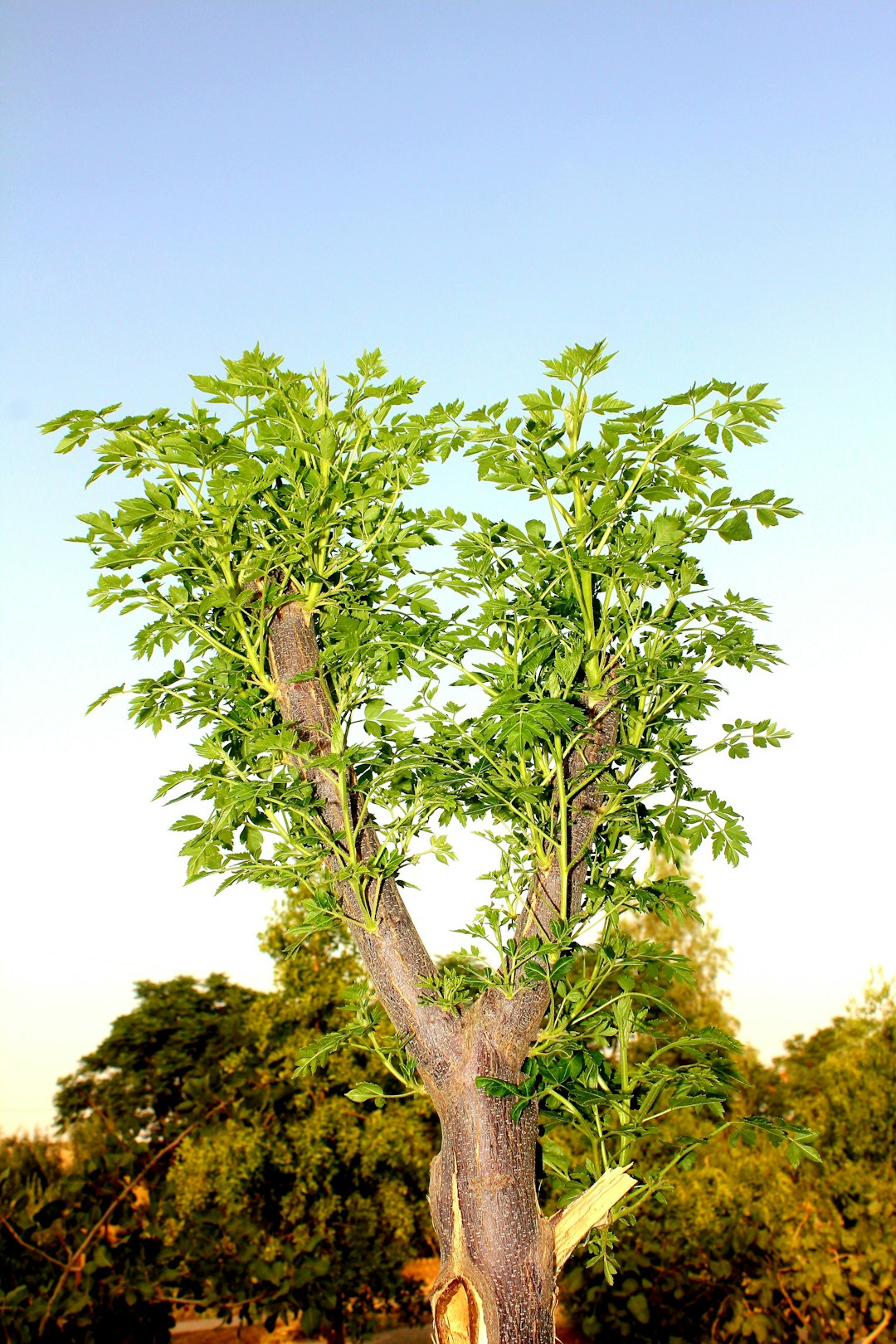
The lush, glossy foliage of a Japanese Aralia (Fatsia japonica) is a true delight, bringing a touch of architectural elegance to indoor spaces and shaded gardens alike. Its large, deeply lobed leaves create a vibrant, tropical feel. However, when those vibrant green leaves begin to morph into a sickly yellow, it’s a clear sign that your plant is distressed. This common problem can be alarming for plant owners, signaling an underlying issue that needs immediate attention. Understanding the reasons behind this discoloration is the first step toward restoring your Aralia’s health and vitality. This article will delve into the various factors that can cause Japanese Aralia leaves to turn yellow, offering practical solutions to help your plant thrive once more.
The fundamental indicators of aralia health
A healthy Japanese Aralia typically boasts deep green, leathery leaves that are firm and vibrant. Any deviation from this, especially a shift to yellow, is your plant’s way of communicating that something isn’t quite right in its environment or care routine. Yellowing, also known as chlorosis, occurs when the plant is not producing enough chlorophyll, the pigment responsible for its green color and for converting sunlight into energy. This can be a symptom of various stressors, ranging from simple watering mistakes to more complex issues like nutrient deficiencies or pest infestations. Recognizing the specific pattern and accompanying symptoms of yellowing is crucial for an accurate diagnosis and effective intervention.
Watering woes: the most common culprit
The single most frequent cause of yellowing leaves in Japanese Aralias, particularly for indoor plants, is improper watering. Both overwatering and severe underwatering can lead to this symptom, though the former is significantly more common and insidious.
Overwatering: When the soil remains constantly soggy, the roots are deprived of oxygen, leading to root rot. Damaged roots cannot effectively absorb water or nutrients, causing the leaves to yellow and eventually die. Signs of overwatering often include a general yellowing, especially on lower leaves, accompanied by drooping, soft stems, and a perpetually damp or moldy-smelling potting mix. The solution lies in allowing the top inch or two of soil to dry out completely between waterings, ensuring your pot has adequate drainage holes, and using a well-draining potting medium.
Underwatering: While less common for widespread yellowing, extreme dryness can also stress the plant. Leaves will typically yellow, become crispy, and eventually drop. The soil will often pull away from the sides of the pot. A consistent watering schedule, where the plant is watered thoroughly when the soil is partially dry, will prevent this issue.
Light, temperature, and humidity imbalances
Beyond watering, environmental factors play a significant role in your Japanese Aralia’s leaf health. Finding the right balance is key to preventing stress-induced yellowing.
- Light: Japanese Aralias prefer bright, indirect light.
- Too much direct sun can scorch their delicate leaves, causing them to turn yellow or develop brown, crispy patches.
- Too little light, on the other hand, can lead to leggy growth and the yellowing and eventual shedding of older, lower leaves as the plant conserves energy.
Move your plant to a location where it receives filtered sunlight, such as near a north or east-facing window.
- Temperature: These plants thrive in consistent, moderate temperatures, ideally between 60-75°F (15-24°C). Sudden drops in temperature, exposure to cold drafts, or extreme heat can stress the plant, leading to yellowing and leaf drop.
- Humidity: While not the primary cause of yellowing, low humidity can stress Aralias, especially in heated indoor environments, making them more susceptible to pests and contributing to overall poor health. Consider misting or using a pebble tray to increase ambient moisture.
Nutrient deficiencies and pest invasions
Even with optimal watering and lighting, your Aralia might still exhibit yellow leaves if it’s lacking essential nutrients or under attack by pests.
Nutrient Deficiencies:
- Nitrogen: A deficiency often manifests as a general yellowing of older leaves, as the plant reallocates this mobile nutrient to new growth.
- Iron or Magnesium: These deficiencies typically cause interveinal chlorosis, where the areas between the leaf veins turn yellow, while the veins themselves remain green, often appearing first on newer leaves.
Regular feeding with a balanced, all-purpose liquid fertilizer during the growing season (spring and summer) can prevent most deficiencies. Always follow package instructions to avoid over-fertilization, which can also cause leaf damage.
Pest Invasions: Sap-sucking pests like spider mites, aphids, and mealybugs can literally drain the life out of your Aralia, leading to yellowing, stippling, and leaf drop. Regularly inspect the undersides of leaves and stems for signs of these tiny invaders. If detected, treat promptly with neem oil, insecticidal soap, or by gently wiping them away with a damp cloth.
Here’s a quick guide to diagnose yellowing Aralia leaves:
| Observed Symptom | Likely Cause(s) | Recommended Action |
|---|---|---|
| General yellowing, lower leaves first, drooping | Overwatering, root rot | Reduce watering frequency, check drainage, repot if necessary. |
| Crispy, yellow leaves, dry soil | Underwatering | Increase watering frequency, maintain consistency. |
| Scorched yellow patches, overall dullness | Too much direct sunlight | Move to a brighter, indirect light location. |
| Yellowing older leaves, leggy growth | Insufficient light | Move to a brighter, indirect light location. |
| Yellowing, stippling, sticky residue, visible insects | Pest infestation (e.g., spider mites) | Inspect thoroughly, treat with neem oil or insecticidal soap. |
| Uniform yellowing of older leaves | Nitrogen deficiency | Fertilize with a balanced liquid fertilizer during growing season. |
| Yellowing between veins (veins green), new leaves | Iron or magnesium deficiency | Use a fertilizer with micronutrients; check soil pH. |
The sudden sight of yellowing leaves on your Japanese Aralia can be concerning, but it’s crucial to remember that it is a symptom, not a diagnosis. By carefully observing the specific patterns of discoloration, inspecting your plant for pests, and evaluating its environmental conditions, you can accurately pinpoint the underlying cause. Most issues, whether related to improper watering, inadequate light, nutrient deficiencies, or pest attacks, are entirely treatable with prompt and appropriate adjustments to your care routine. Regularly checking your plant, understanding its fundamental needs, and reacting swiftly to its signals are key to maintaining its health. With a little detective work and consistent, attentive care, you can help your beautiful Fatsia japonica regain its vibrant green foliage and continue to thrive, bringing lush beauty to your home or garden for years to come.
Image by: Katie Harp