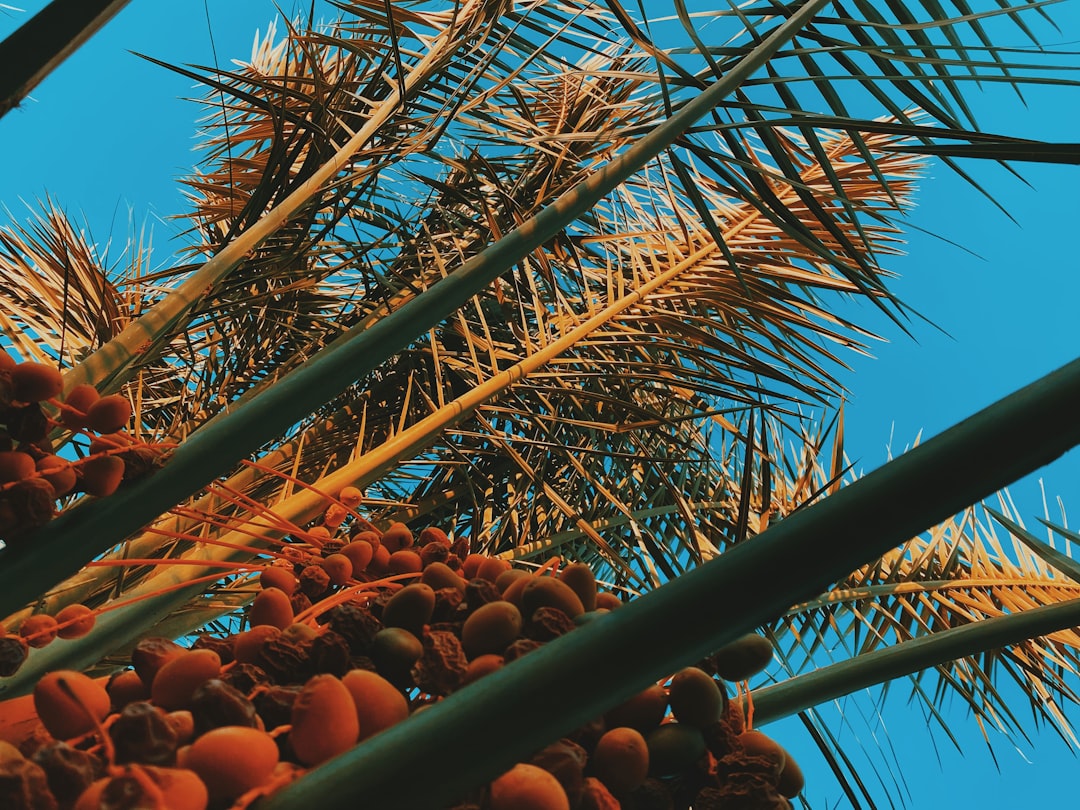
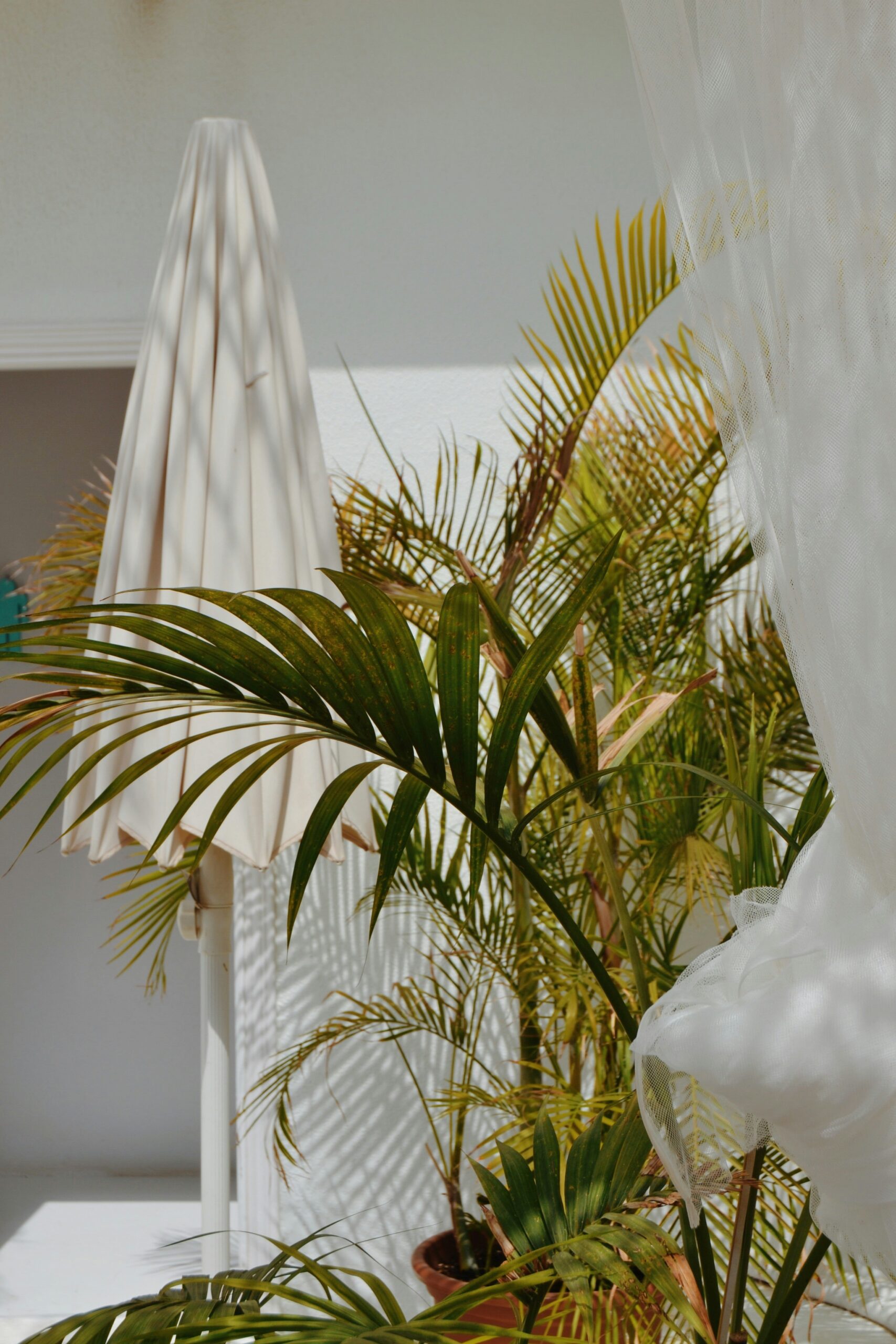
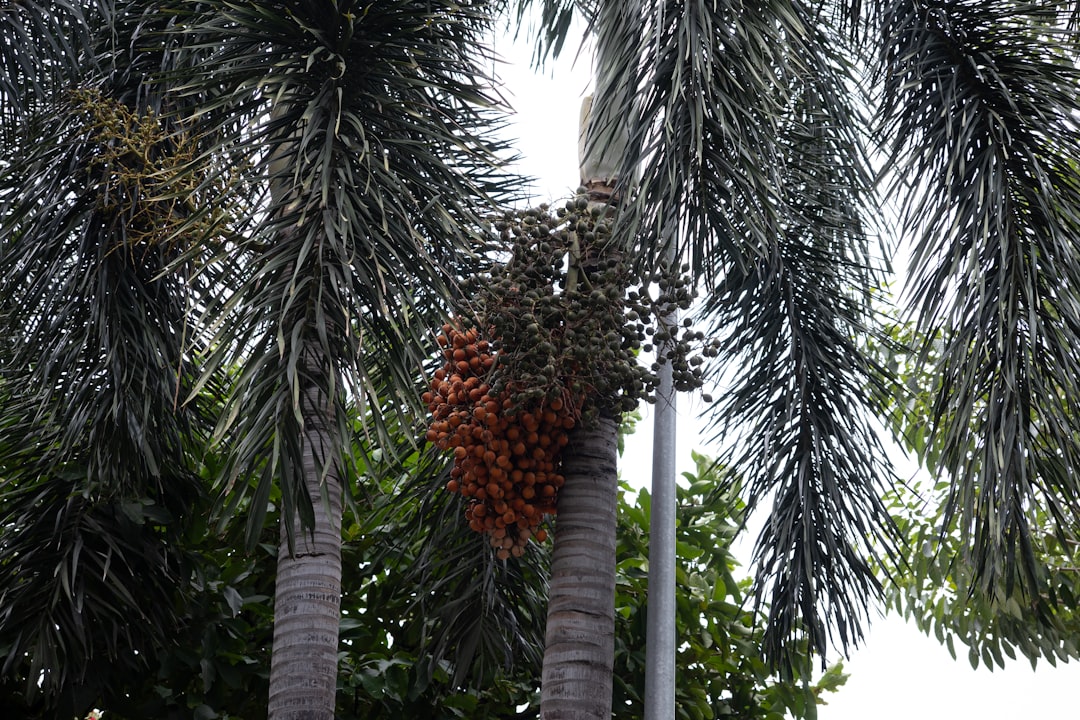
The allure of palm trees, with their exotic silhouettes and tropical charm, often leads homeowners and landscapers to consider them for various settings. However, a common concern frequently arises: What about their root systems? Many envision aggressive, foundation-cracking roots, similar to those of certain large shade trees. The good news is that this perception is largely misplaced for a significant number of palm varieties. This article will dispel common myths and shine a light on the wonderful world of palm trees that boast shallow, non-invasive root systems. Discover how these particular palms can offer the beauty and tranquility you desire without the worry of structural damage, making them ideal choices for planting near homes, patios, and swimming pools, or in compact garden spaces.
Understanding palm root systems
Unlike many dicotyledonous trees, which develop a robust taproot and extensive lateral woody roots that can expand significantly and cause damage, palm trees, being monocots, have a fundamentally different root structure. A palm’s root system is fibrous and adventitious, meaning roots emerge directly from the base of the stem (the “root initiation zone”) rather than branching off a main taproot. These roots are generally thin, unbranched, and spread outwards and downwards, forming a dense, often shallow, mat within the top 18 to 36 inches of soil. While they can extend laterally a considerable distance to anchor the tree and seek moisture and nutrients, they typically do not thicken over time in a way that exerts destructive pressure on hardscapes or foundations. Their growth pattern is more akin to that of a large clump of grass than a traditional woody tree, which significantly reduces their invasive potential.
The benefits of shallow, non-invasive roots
The distinctive root architecture of many palm species offers compelling advantages for landscaping, particularly in developed areas. Foremost among these is the drastically reduced risk to existing infrastructure. Homeowners can confidently plant these palms closer to house foundations, driveways, sidewalks, and swimming pool decking without the pervasive fear of roots causing cracks or lifting surfaces. This characteristic makes them invaluable for urban gardens, small residential plots, and courtyards where space is at a premium and every inch matters. Furthermore, their shallow spread means less extensive soil preparation is needed for planting, and they integrate well with existing underground utilities like irrigation lines, though caution is always advised. The non-invasive nature also simplifies future landscape modifications, as root pruning, if ever required, is typically less disruptive and problematic than with traditional trees.
Top palm species with shallow, non-invasive roots
Selecting the right palm is crucial for ensuring a problem-free landscape. Several popular palm varieties are celebrated for their manageable and non-invasive root systems, making them excellent choices for various settings. These palms generally thrive in containers or in locations where root spread is a primary concern. Here are some notable examples:
| Palm species | Mature height | Root system characteristic | Ideal use |
|---|---|---|---|
| Areca palm (Dypsis lutescens) | 15-30 ft | Clumping, fibrous, dense but shallow root ball. | Privacy screen, containers, near patios/pools. |
| Lady palm (Rhapis excelsa) | 6-15 ft | Clumping, very fine, non-aggressive roots. | Shady areas, indoors, small gardens, containers. |
| Parlor palm (Chamaedorea elegans) | 2-6 ft | Small, fibrous, very compact root system. | Indoor plant, tight spaces, under larger trees. |
| Pygmy date palm (Phoenix roebelenii) | 6-12 ft | Dense, fibrous root ball, generally compact. | Accent plant, containers, small beds, near pools. |
| Sago palm (Cycas revoluta – technically a cycad) | 3-10 ft | Slow-growing, very shallow, tuberous root system. | Focal point, rock gardens, containers. |
| European fan palm (Chamaerops humilis) | 10-20 ft | Clumping, fibrous, spreading roots, but not destructive. | Drought-tolerant landscapes, accents, containers. |
Planting and care for root-friendly palms
Even with palms known for their shallow and non-invasive roots, proper planting and care are essential to ensure their health and your peace of mind. When planting, dig a hole that is as deep as the root ball and two to three times as wide. This allows the roots to spread easily into the surrounding native soil. Ensure the palm is planted at the same depth it was in its nursery container; planting too deep can suffocate the root crown. Good drainage is paramount, as palms dislike sitting in soggy soil. Amend heavy clay soils with organic matter to improve permeability. Mulching around the base of the palm (keeping it a few inches away from the trunk) helps retain soil moisture, regulate soil temperature, and suppress weeds, all beneficial for their relatively shallow root systems. Regular, deep watering, especially during dry periods, encourages roots to delve slightly deeper while keeping them hydrated. Fertilize according to the specific needs of your chosen palm, typically with a slow-release palm-specific fertilizer, to support healthy growth without over-stimulating excessive root expansion.
Dispelling the myth of universally invasive palm roots opens up a world of possibilities for landscape design. As we’ve explored, many exquisite palm varieties possess fibrous, adventitious root systems that are inherently shallow and non-destructive. This key characteristic makes them outstanding candidates for diverse planting scenarios, from compact urban gardens and poolside areas to elegant foundations and pathways. Understanding their unique root biology and selecting species like the elegant Areca palm or the diminutive Parlor palm allows homeowners to confidently integrate these symbols of tropical beauty without concern for structural damage. By employing proper planting techniques, ensuring good drainage, and providing consistent care, you can cultivate a stunning, worry-free outdoor space. Embrace the serene beauty of palms and create your own slice of paradise, knowing that the right choice of palm will bring joy for years to come, anchored firmly but gently in your landscape.
Image by: Calin Oancea