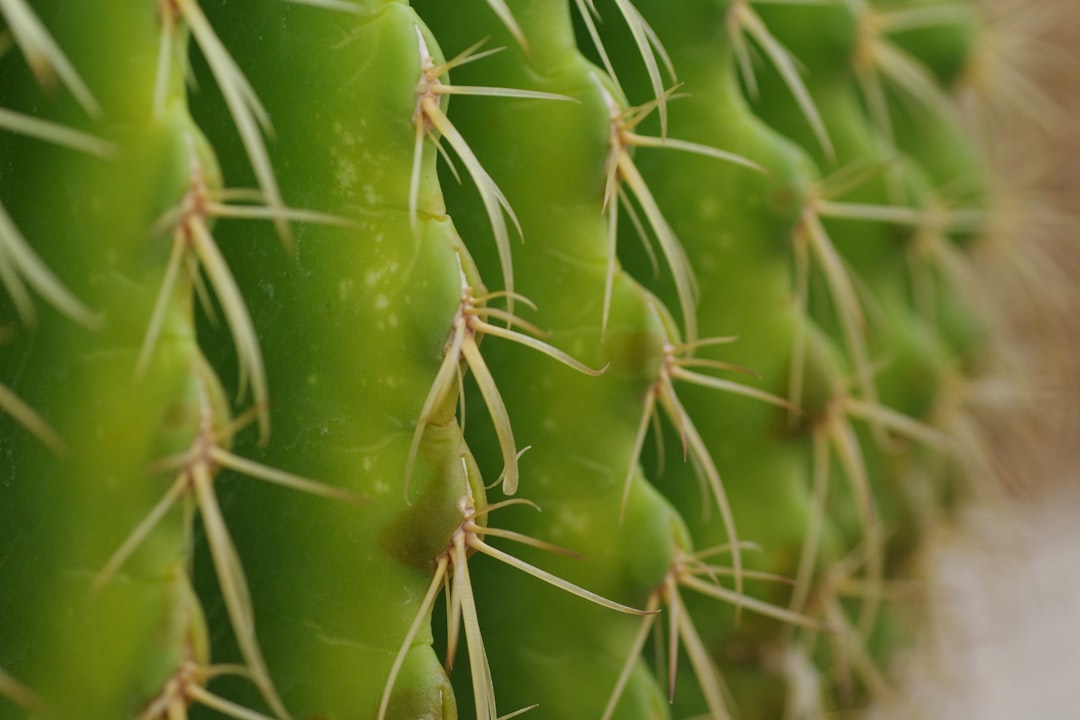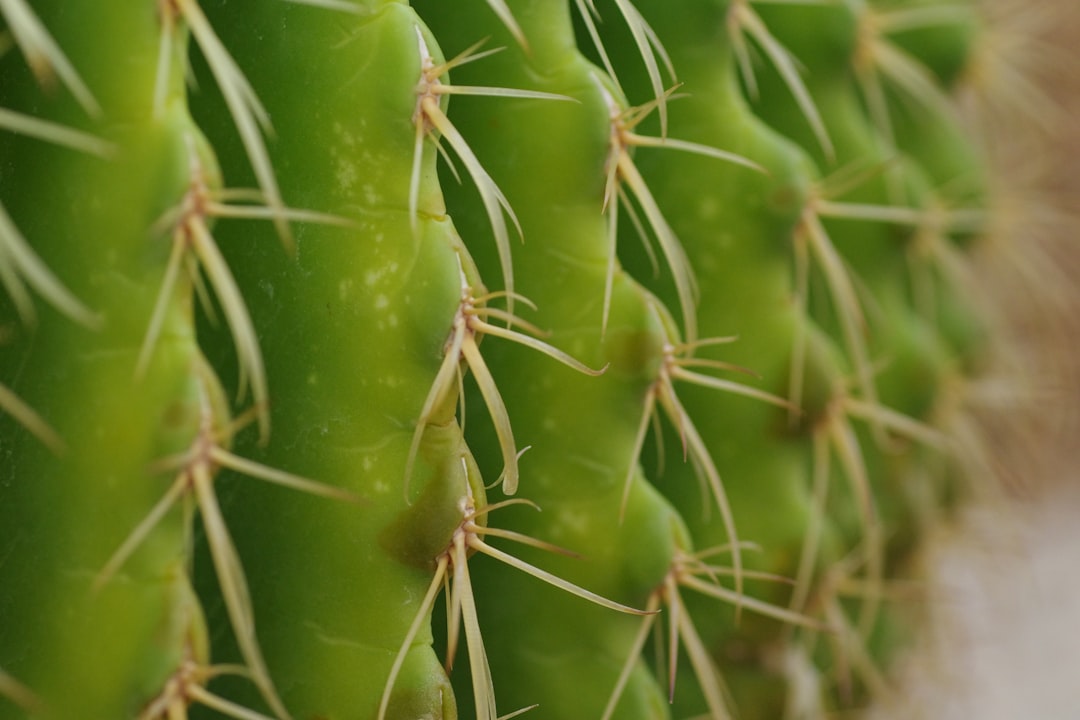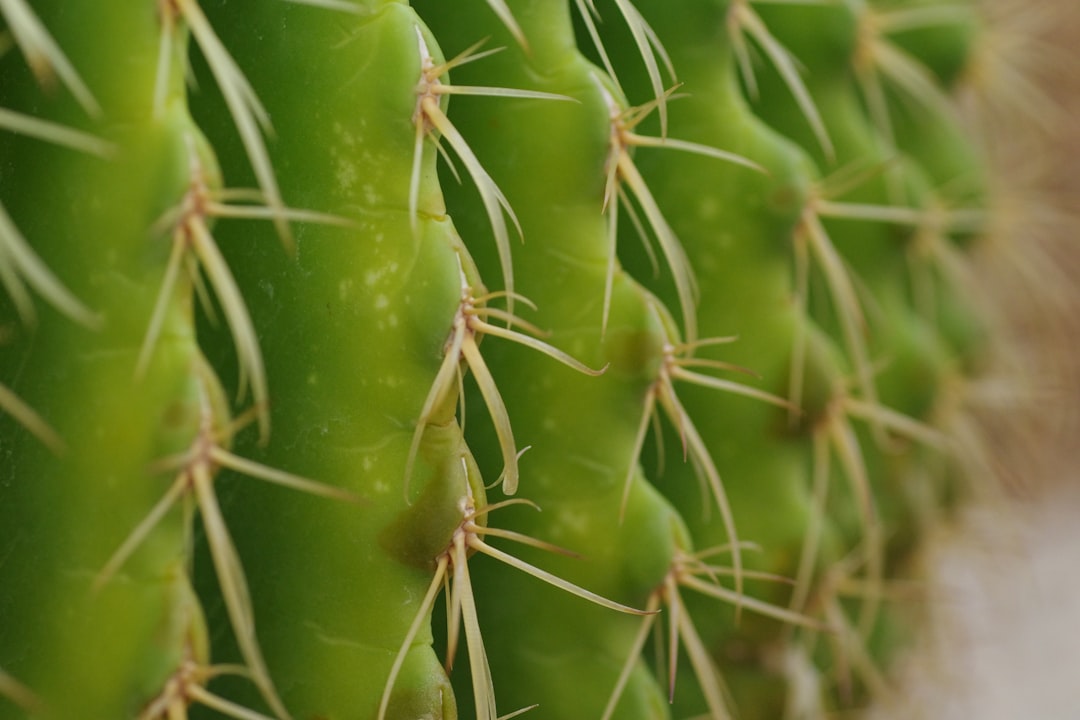
The desert landscape, while breathtaking, harbors unique challenges, none perhaps as acutely felt as an encounter with a cholla cactus. Known for its deceptively soft appearance and incredibly barbed spines, a cholla can quickly turn a pleasant outdoor experience into a painful ordeal. Whether it is a segment embedded in your skin, a pet’s paw, or an entire plant needing removal from your property, tackling this resilient succulent requires specific knowledge and a cautious approach. This article will guide you through the intricacies of safely removing cholla cactus, from immediate first aid to effective plant eradication and preventative measures, ensuring you are well-equipped to handle this prickly problem with confidence and minimal discomfort.
Preparing for safe cholla removal
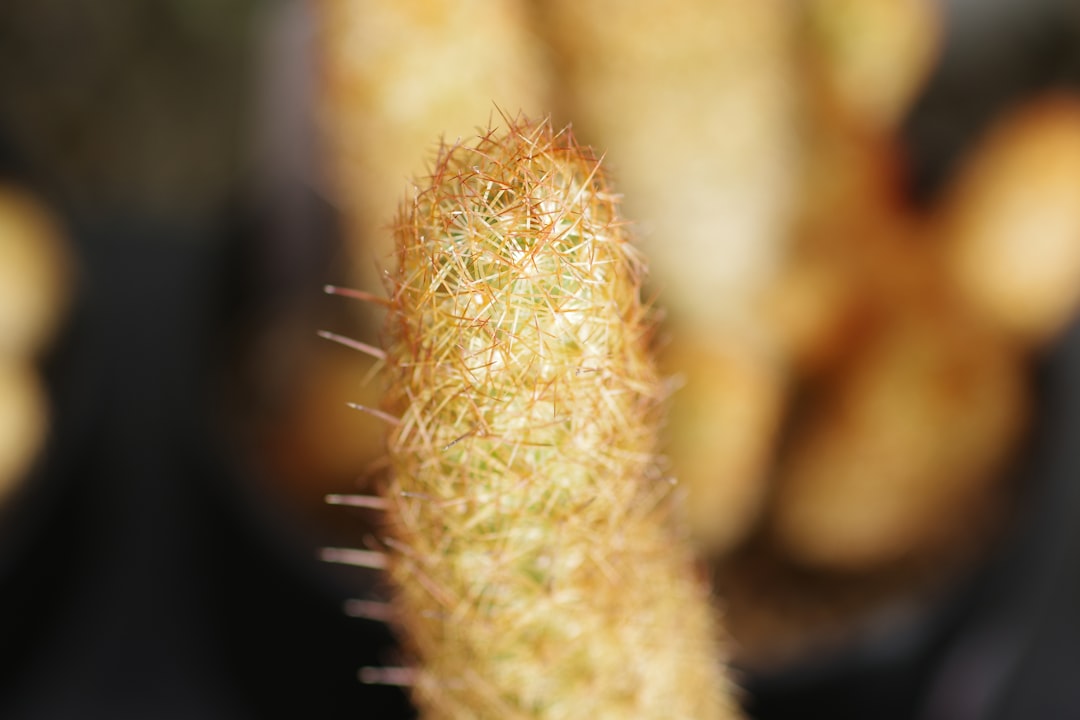
Before you even think about touching a cholla, understanding its formidable defenses is crucial. Cholla cacti are notorious for their glochids—tiny, hair-like spines with microscopic barbs that easily detach and embed themselves deep into skin, clothing, and even footwear. These barbs are designed to hold on tenaciously, making removal challenging and often painful if not approached correctly. Proper preparation is not just recommended; it is absolutely essential to prevent injury.
Start by donning heavy-duty protective gear. This includes thick leather gloves, ideally welding gloves or specialized cactus-handling gloves, as standard gardening gloves are insufficient. Long-sleeved shirts and pants made of durable material like denim or canvas will protect your arms and legs. Eye protection, such as safety glasses or goggles, is non-negotiable, as glochids can flick into your eyes during removal. Finally, wear sturdy, closed-toe shoes or boots.
Assemble your tools beforehand. You will need a sturdy shovel, preferably a sharpened spade, for digging out plants. Long-handled tongs, specifically designed for cactus, are invaluable for handling detached segments or larger plants without direct contact. A pair of pliers, a comb, and duct tape will be useful for skin removal. Have a heavy-duty plastic bucket or a thick contractor bag ready for containing the removed cactus segments. Having all your equipment laid out and accessible minimizes fumbling and potential exposure to spines.
| Category | Item | Primary Use |
|---|---|---|
| Safety Gear | Thick leather gloves (welding/cactus) | Hand protection against spines |
| Long-sleeved shirt & pants | Arm and leg protection | |
| Safety glasses/goggles | Eye protection from flicking glochids | |
| Sturdy, closed-toe boots | Foot protection | |
| Removal Tools | Long-handled tongs (cactus preferred) | Handling cactus segments without direct contact |
| Sturdy spade shovel | Digging out entire plants | |
| Pliers/tweezers | Extracting embedded spines from skin | |
| Comb | Initial removal of glochids from skin/fur | |
| Duct tape | Adhering and pulling out fine glochids | |
| Disposal | Heavy-duty plastic bags/bucket | Secure containment of removed cactus |
Emergency removal from skin and pets
An accidental encounter with a cholla segment requires immediate, yet careful, action. The first rule for humans is: do not touch it with your bare hands. The natural instinct is to grab and pull, but this almost always results in more glochids embedding deeper or spreading to your fingers. Instead, remain calm and use the appropriate tools you prepared.
For large segments or clusters on skin, start by using a comb. Gently comb across the affected area in one direction, trying to scoop up the spines. Once the bulk of the larger spines are removed, switch to duct tape. Press a strip of duct tape firmly over the remaining glochids, ensuring good contact, then quickly pull it off. Repeat this process with fresh strips of tape until most of the visible glochids are gone. For any stubborn, deeply embedded spines, use a pair of clean pliers or tweezers, grasping each spine as close to the skin as possible and pulling it straight out. After removal, thoroughly wash the area with soap and water. Monitor the site for any signs of infection.
Pets, especially dogs, are unfortunately common victims of cholla. If your pet has a cholla segment embedded in its fur or paw, the primary goal is to prevent them from pawing at it, which can drive the spines deeper or transfer them to their mouth or face. Restrain your pet gently but firmly. If the segment is large and accessible, use long-handled tongs to carefully remove it. For smaller glochids or spines embedded in paws, a comb can be effective, followed by duct tape. However, removing cholla from sensitive areas, or if your pet is distressed or aggressive, warrants an immediate visit to a veterinarian. They have the expertise and tools to remove spines safely and effectively, often with sedation, and can address pain and prevent infection.
Effective techniques for eradicating cholla plants
Removing an entire cholla plant from your garden or landscape requires a strategic approach to prevent segments from breaking off and re-rooting. The ideal time to remove cholla is when the soil is dry, as this makes digging easier and reduces the chance of soil clinging to the spines, which can make disposal messier. Avoid working on windy days, as detached segments or glochids can be easily blown around.
Approach the plant cautiously, armed with your heavy-duty shovel and long-handled tongs. Begin by using the shovel to carefully sever the plant’s roots. Position the shovel a few inches away from the base of the plant and push down firmly to cut the taproot. Circle the plant, repeating this action to loosen the root ball. The goal is to separate the plant from its underground anchor without disturbing it excessively, which could cause segments to detach.
Once the root system is sufficiently severed, use your long-handled tongs to grasp the plant firmly at its base. With a steady motion, lift the entire plant from the ground. Avoid shaking or twisting the plant, as this can dislodge glochids and segments. If the plant is very large, you may need assistance, with one person carefully lifting while the other uses a second pair of tongs or a shovel to support the weight and prevent breakage.
If you encounter a particularly large or dense cholla patch, consider using a different strategy. Instead of lifting the entire plant, you might use your shovel to break it into manageable sections. However, extreme caution is needed here, as each broken section becomes a potential new plant. Ensure each section is immediately grasped with tongs and placed into your containment vessel. For stubborn plants or widespread infestations, some gardeners resort to herbicides specifically formulated for cacti, though this should be a last resort and applied strictly according to manufacturer instructions, always prioritizing environmental safety.
Safe disposal and long-term management
Successfully removing a cholla plant is only half the battle; safe and effective disposal is equally critical to prevent re-infestation and injury. Once you have extracted the cholla, whether it is a single segment or an entire plant, immediately place it into a sturdy, heavy-duty plastic contractor bag or a metal trash can with a lid. Double-bagging is highly recommended to prevent spines from piercing through and causing accidental contact. Do not place cholla directly into standard household trash bags, as these are typically too thin to withstand the sharp spines.
Seal the bag tightly, or secure the lid on the trash can. It is also a good practice to label the bag or container clearly with a warning, such as “Caution: Cholla Cactus – Sharp Spines,” to alert waste handlers. Check with your local waste management services for specific guidelines on disposing of hazardous plant material. Some areas may require special disposal, while others may allow it with regular trash if properly contained. Never compost cholla, as segments can survive and thrive in compost, creating a dangerous hazard.
After the cholla has been removed and safely contained, thoroughly inspect the area for any fallen segments or individual glochids. Use a strong stream of water from a hose to dislodge any remaining small pieces, or use a stiff broom or rake to sweep the area. Wearing your protective gloves, you can also press a piece of duct tape onto the ground to pick up any stray glochids. A final visual inspection should confirm the area is clear.
For long-term management and prevention of re-growth, consider landscaping changes. If cholla is native to your area and grows wild, create a buffer zone around your property using hardscaping, gravel, or plants that deter cholla. Regular vigilance is key; promptly remove any small cholla sprouts as soon as they appear before they become larger, more problematic plants. By being proactive and diligent, you can maintain a safe, cholla-free environment around your home.
Removing a cholla cactus, whether it is a small segment from your skin or an entire plant from your landscape, demands respect, caution, and the right tools. We have navigated the crucial steps, from understanding the treacherous nature of cholla glochids and preparing with essential safety gear to executing emergency removal from skin and pets. Furthermore, we delved into methodical techniques for eradicating established plants and emphasized the paramount importance of safe disposal to prevent future issues. Remember, your safety is the top priority; never attempt to handle cholla with inadequate protection or an impulsive approach. By arming yourself with knowledge, proper equipment, and a strategic mindset, you can effectively manage these prickly desert inhabitants. Stay vigilant, stay prepared, and ensure your outdoor spaces remain safe and enjoyable for everyone.
Image by: Iqbal Hamzah