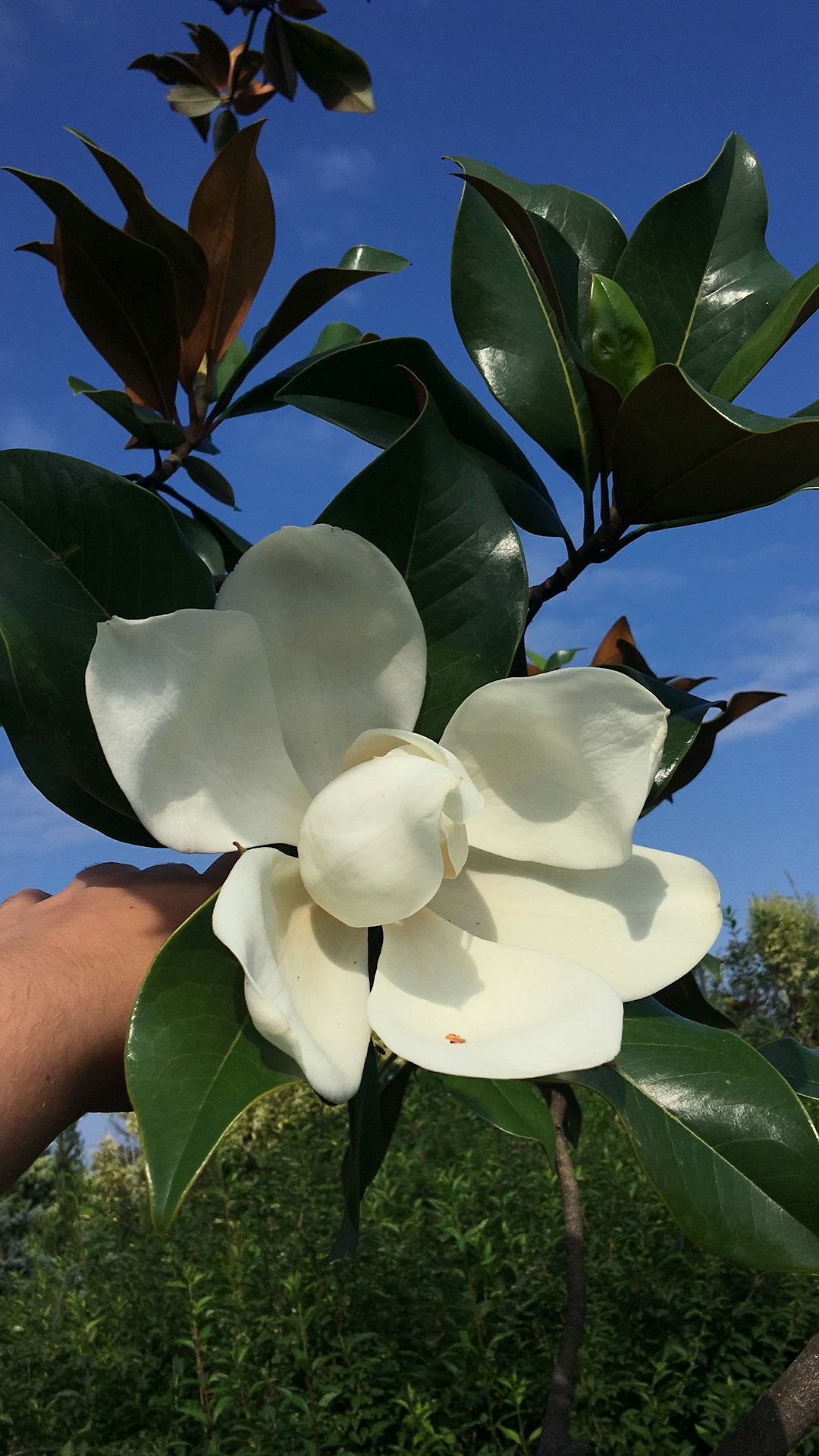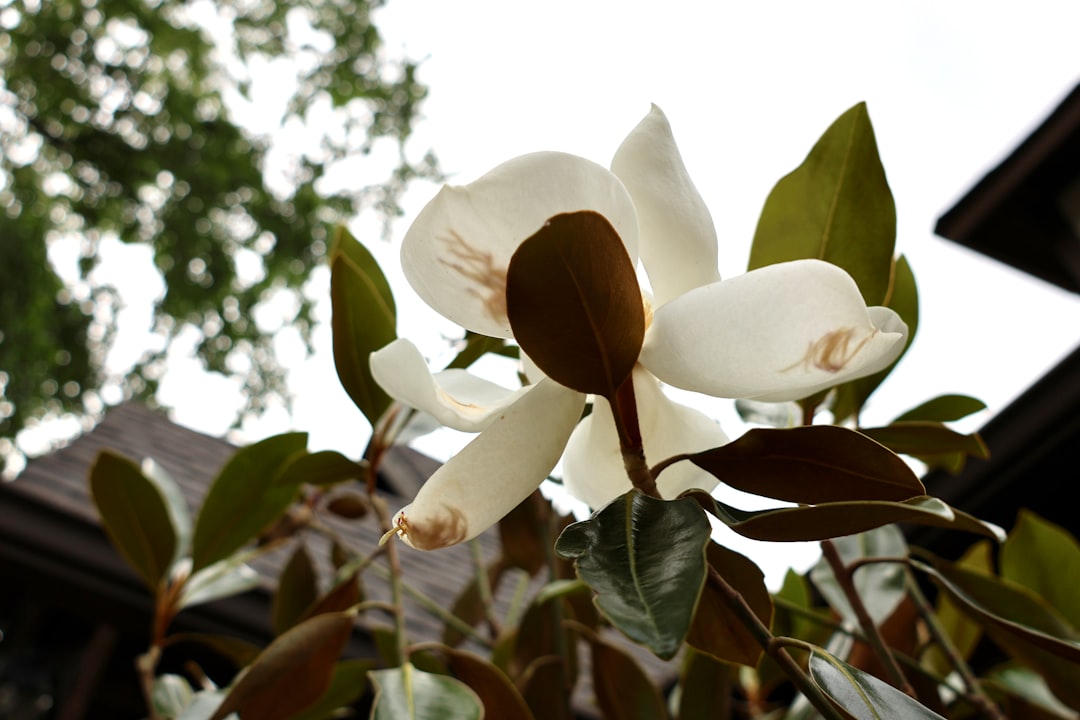
The Little Gem Magnolia, with its compact growth habit, lustrous evergreen leaves, and fragrant, creamy-white blossoms, is a treasured addition to any garden or landscape. Its beauty and elegance make it a highly sought-after specimen. If you’ve fallen in love with this magnificent tree and wish to expand your collection or share its splendor with others, propagating it yourself is a rewarding endeavor. While it might seem daunting at first, understanding the proper techniques can empower even the novice gardener to successfully multiply these charming trees. This guide will walk you through the most effective methods, ensuring you have all the knowledge needed to propagate your very own Little Gem Magnolias.
Understanding the little gem magnolia for propagation
Before diving into the mechanics of propagation, it’s beneficial to understand the Little Gem Magnolia (Magnolia grandiflora ‘Little Gem’) itself. This cultivar is a dwarf variety of the Southern Magnolia, known for its slower growth rate and more columnar form, typically reaching 20-25 feet tall. Its evergreen foliage makes it a year-round visual delight. For successful propagation, we leverage its biological characteristics. Magnolias are generally best propagated from cuttings rather than seeds, which can be slow and may not produce a tree true to the parent dueating to genetic variation. Layering is another option, but often less efficient for producing multiple plants quickly. Therefore, focusing on stem cuttings is the most reliable and popular method for home gardeners aiming to reproduce this specific cultivar.
The most effective method: Stem cuttings
Propagating Little Gem Magnolias from stem cuttings is the most recommended approach, yielding clones identical to the parent plant. The key to success lies in timing and technique.
- Timing: The best time to take cuttings is typically in late spring to early summer, after the current year’s growth has begun to harden slightly but is not yet fully woody. This stage is often referred to as semi-hardwood.
- Selecting and preparing cuttings:
- Choose healthy, vigorous stems from the current season’s growth that are free from pests or diseases. Avoid overly soft, succulent growth or very woody stems.
- Using sharp, sterile pruning shears, take cuttings that are about 4-6 inches long.
- Remove the leaves from the bottom 2-3 inches of the cutting, leaving 2-4 leaves at the top. This reduces moisture loss while providing enough photosynthetic surface.
- If desired, make a shallow, 1-inch wound on one side of the stem base by gently scraping away a thin layer of bark. This can encourage rooting.
- Rooting hormone application: Dip the cut end of each prepared cutting into a rooting hormone powder or gel. Hormones containing IBA (indole-3-butyric acid) are particularly effective for woody plants like magnolias. Tap off any excess.
- Planting medium: Prepare a well-draining rooting medium. A mixture of equal parts peat moss and perlite or coarse sand works well. Moisten the medium thoroughly before inserting the cuttings.
- Creating a humid environment: Stick the treated cuttings into the prepared medium, ensuring the leafless portion is buried. Space them so leaves don’t touch. To maintain high humidity, which is crucial for rooting, place a clear plastic dome or bag over the pot, ensuring it doesn’t touch the leaves. You can support the plastic with stakes if necessary.
Nurturing your new cuttings for success
Once your cuttings are planted, consistent care is paramount for successful root development. Patience is key, as rooting can take several weeks or even months.
- Light and temperature: Place the covered cuttings in a warm location (ideally 70-75°F or 21-24°C) with bright, indirect light. Direct sunlight can scorch the leaves and dry out the medium too quickly. A greenhouse environment or a warm spot near a window (out of direct sun) is ideal.
- Moisture and humidity: Regularly check the moisture level of the rooting medium; it should remain consistently moist but not waterlogged. Mist the foliage occasionally, especially if you notice condensation reducing inside the dome. Good air circulation is also important, so lift the dome for 15-30 minutes daily to prevent fungal issues.
- Signs of rooting: After 6-12 weeks, gently tug on a cutting. If you feel resistance, it indicates roots have started to form. You might also notice new leaf growth, which is another good sign, but new leaves without root development can sometimes occur, so resistance is a more reliable indicator.
- Transplanting: Once cuttings have developed a robust root system (typically 2-3 inches long), they are ready for transplanting. Carefully pot each rooted cutting into its own container filled with a quality potting mix. Continue to provide a somewhat humid environment for the first few weeks after transplanting to help them adjust. Gradually acclimate them to outdoor conditions before planting them in their permanent location in the garden.
Here’s a quick overview of ideal conditions for magnolia cuttings:
| Condition | Ideal Range | Notes |
|---|---|---|
| Temperature | 70-75°F (21-24°C) | Consistent warmth promotes root development. |
| Humidity | High (70-90%) | Crucial for preventing dehydration; use a dome or misting. |
| Light | Bright, indirect | Avoid direct sun to prevent scorching. |
| Rooting medium | Well-draining, moist | Peat/perlite mix is excellent. |
| Rooting time | 6-12 weeks | Can vary depending on conditions and variety. |
Other propagation methods to consider
While stem cuttings are the most efficient, other propagation methods exist, though they are often less practical or reliable for Little Gem Magnolias.
- Air layering: This method involves inducing roots to form on a stem while it’s still attached to the parent plant. It can be successful for magnolias but is usually used to produce only one or two new plants at a time. It requires creating a wound on a branch, wrapping it with moist sphagnum moss, and then covering it with plastic. Once rooted, the branch is cut below the roots and potted.
- Seed propagation: Propagating from seed is possible, but it comes with several caveats. Magnolia seeds require stratification (a period of cold) and can take a long time to germinate. More importantly, trees grown from seed may not possess the exact characteristics of the ‘Little Gem’ parent due to genetic variability. This method is generally reserved for developing new cultivars or for species magnolias, not specific cultivars like ‘Little Gem’.
Propagating your own Little Gem Magnolia trees is a deeply gratifying experience, connecting you more intimately with your garden. By focusing on semi-hardwood stem cuttings, providing the right environmental conditions, and exercising patience, you can successfully multiply these magnificent evergreen beauties. Remember the importance of sharp, sterile tools, appropriate rooting hormone, and maintaining consistent humidity and moisture levels for your cuttings. While other methods exist, the stem cutting technique offers the most reliable way to create genetically identical copies of your beloved ‘Little Gem’. Soon, you’ll enjoy the fruit of your labor, watching new generations of Little Gem Magnolias flourish, bringing their unparalleled elegance and fragrance to your landscape for years to come.
Image by: Everest Louis