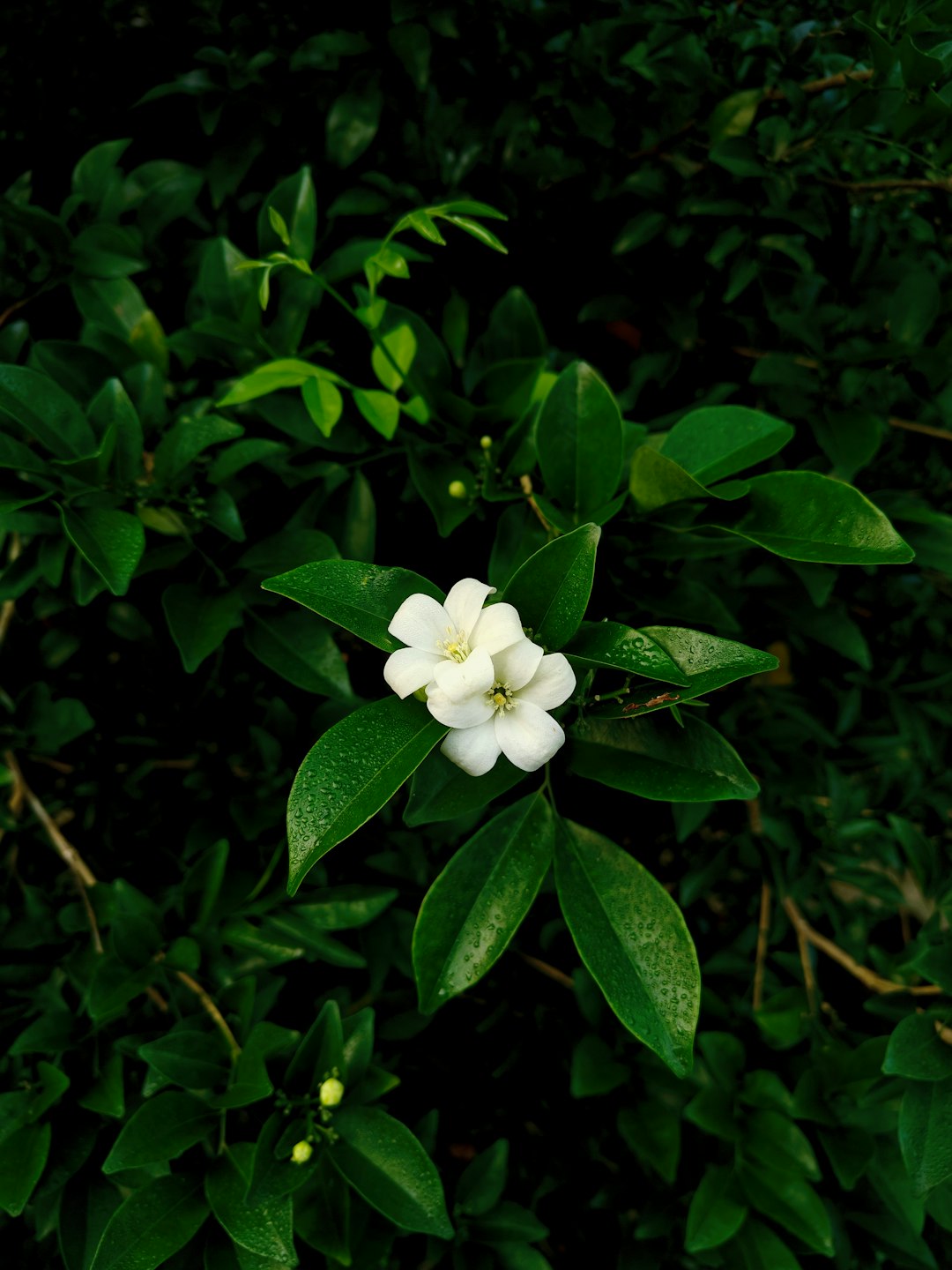
Jasmine plants, beloved for their intoxicating fragrance and delicate beauty, are a cherished addition to many gardens and homes. However, the lush foliage and vibrant blooms that make jasmine so appealing can also attract a host of unwelcome guests. Understanding what pests eat jasmine leaves is crucial for maintaining the health and vigor of these magnificent plants. From tiny sap-suckers to larger chewing insects, a variety of organisms can cause significant damage, leading to stunted growth, yellowing leaves, and a decline in overall plant vitality. Identifying these common culprits early and implementing effective management strategies is key to protecting your jasmine. This article will explore the most common pests that target jasmine leaves, detail the damage they inflict, and offer insights into keeping your plants robust and pest-free.
The usual suspects: soft-bodied sap-suckers
Among the most common and persistent adversaries of jasmine leaves are soft-bodied sap-sucking insects. These tiny pests feed by piercing plant tissues and extracting nutrient-rich sap, weakening the plant and often causing visible damage. Aphids are frequently found congregating on new growth and the undersides of leaves. Their feeding results in curled, distorted, or yellowed leaves, and they excrete a sticky substance called honeydew. This honeydew then becomes a breeding ground for sooty mold, a black fungus that further inhibits photosynthesis.
Another prevalent group includes mealybugs, recognized by their white, cottony appearance. They typically hide in leaf axils or on stems, but their feeding on leaves causes similar damage to aphids, including yellowing, stunted growth, and honeydew production. Scale insects, particularly soft scales, are often mistaken for abnormal growths on stems or leaves due to their hard, waxy shells. These sedentary pests also suck sap, leading to wilting, yellowing, and leaf drop. Early detection of these sap-suckers is vital, as their populations can multiply rapidly, causing extensive stress to your jasmine plant.
Chewing culprits: caterpillars and beetles
While sap-suckers subtly drain the plant’s life force, another category of pests makes its presence known through more overt physical damage: chewing insects. These pests literally consume portions of the jasmine leaves, leaving behind telltale holes and ragged edges. Caterpillars, the larval stage of moths and butterflies, are voracious eaters. Various species, including some hawk-moth larvae or loopers, can chew irregular holes in leaves, or even skeletonize them, leaving only the veins intact. Identifying the specific caterpillar can be challenging, but their frass (excrement) and the visible damage are clear indicators of their activity.
Beetles also contribute to leaf damage. For instance, Japanese beetles are known to skeletonize leaves, consuming the tissue between the veins. Flea beetles, small and shiny, create numerous small, circular holes, giving leaves a “shot-hole” appearance. Damage from chewing insects can range from cosmetic blemishes to severe defoliation, particularly on young or tender plants. Regular inspection, especially on the undersides of leaves and along stems, is crucial for catching these pests before they cause widespread destruction.
Microscopic marauders: mites and thrips
Not all damaging pests are easily visible to the naked eye. Some of the most insidious threats to jasmine leaves come in the form of microscopic or barely discernible creatures that can inflict significant harm. Spider mites, tiny arachnids, are a prime example. They feed by piercing individual plant cells and sucking out the contents, resulting in a characteristic stippling pattern—tiny yellow or silvery dots on the leaves. As infestations worsen, leaves may turn bronze or yellow, and fine webbing might become visible, particularly on the undersides of leaves or between leaf axils. Spider mites thrive in hot, dry conditions and can reproduce quickly, leading to rapid plant decline if left unchecked.
Thrips are another group of minute insects, typically slender and dark, that also damage leaves by rasping the surface and sucking out sap. Their feeding causes silvering or bronzing of leaves, often accompanied by black specks of their excrement. Severe thrips damage can lead to distorted or stunted new growth and a general decline in plant vigor. Due to their small size, these pests often go unnoticed until significant damage has occurred, making vigilance and a keen eye essential for early detection.
Integrated pest management for healthy jasmine
Protecting your jasmine from these myriad pests requires a comprehensive and proactive approach known as integrated pest management (IPM). IPM focuses on combining various strategies to minimize pest populations while maximizing plant health and reducing reliance on harsh chemicals. Prevention is the first line of defense: ensure your jasmine receives adequate water, sunlight, and nutrients, as healthy plants are more resilient to pest attacks. Proper spacing allows for good air circulation, which can deter fungal issues often associated with pest honeydew.
Regular inspection is paramount. Frequently examine leaves, stems, and new growth for any signs of pests or damage. Early detection makes control much easier. For mild infestations of sap-suckers, a strong jet of water can dislodge many pests, or horticultural soaps and neem oil can be effective organic treatments. For chewing insects, hand-picking caterpillars can be a viable option for smaller infestations. Beneficial insects, such as ladybugs for aphids, can also be introduced. Only consider chemical pesticides as a last resort, and always choose the least toxic option, applying it precisely according to instructions to protect beneficial insects and the environment.
Here’s a quick guide to common jasmine pests and their primary damage:
| Pest Type | Common Pests | Primary Leaf Damage |
|---|---|---|
| Sap-Suckers | Aphids, Mealybugs, Scale Insects | Yellowing, curling, distortion, honeydew, sooty mold |
| Chewing Insects | Caterpillars, Japanese Beetles, Flea Beetles | Irregular holes, skeletonization, ragged edges |
| Microscopic Pests | Spider Mites, Thrips | Stippling, bronzing, silvering, fine webbing, distorted growth |
Conclusion
In summary, jasmine leaves are susceptible to a diverse array of pests, each with its unique feeding habits and damaging effects. From the subtle weakening caused by sap-sucking aphids, mealybugs, and scale insects to the more apparent holes left by chewing caterpillars and beetles, and the intricate damage inflicted by microscopic mites and thrips, understanding these threats is the first step toward effective plant care. The key takeaway is that vigilance, early identification, and a well-implemented integrated pest management strategy are indispensable for maintaining the health and beauty of your jasmine. By proactively monitoring your plants, employing cultural practices that promote vigor, and utilizing appropriate organic or targeted treatments when necessary, you can safeguard your jasmine from significant harm. A healthy jasmine plant, free from the stress of pest infestations, will reward you with its magnificent blooms and delightful fragrance for years to come.
Image by: Victoria Druc