Discovering a swarm of tiny fruit flies around your prized citrus tree can be incredibly frustrating. These unwelcome guests not only diminish the aesthetic appeal of your garden but can also compromise the health and yield of your fruit. While often seen as a minor nuisance indoors, their presence on outdoor trees can signify underlying issues and, if left unchecked, can lead to significant fruit loss or even attract more problematic pests. This article will delve into effective strategies for identifying, preventing, and ultimately eliminating fruit flies from your citrus trees. We’ll explore a range of methods, from simple cultural practices and organic deterrents to more advanced interventions, ensuring your citrus grove remains vibrant, healthy, and fruit fly-free.
Understanding the enemy: identifying fruit flies and their impact
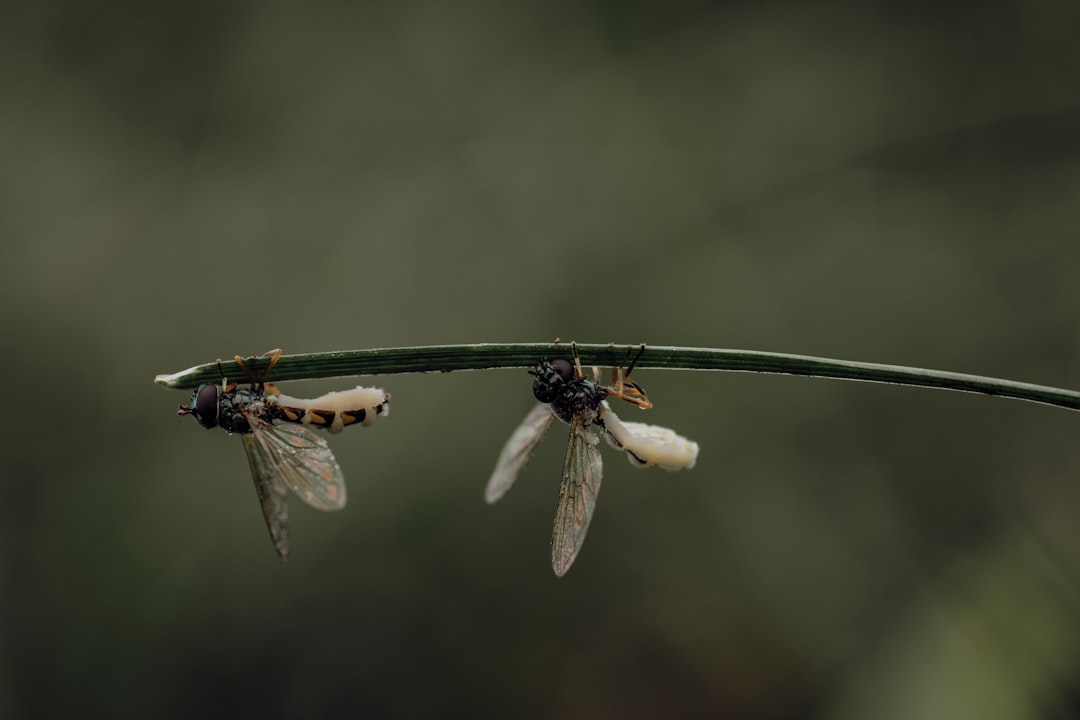
Before embarking on a battle, it’s crucial to understand your adversary. When we talk about “fruit flies” in a home garden context, we are most often referring to Drosophila melanogaster, tiny insects typically 2-4 mm long, with reddish eyes and a tan thorax. They are particularly attracted to decaying or fermenting organic matter, including overripe, damaged, or fallen citrus fruit. However, it’s also worth noting that other species, sometimes called true fruit flies (like the Mediterranean fruit fly or Mexican fruit fly), can be more destructive, laying eggs directly into healthy, ripening fruit. For the common home gardener, the focus is usually on the former, which are primarily a nuisance and a sign of poor sanitation.
The impact of fruit flies on your citrus trees, while usually less severe than that of larger pests, should not be underestimated. Their primary damage comes from larvae feeding on decaying fruit, accelerating its decomposition and making it unsuitable for consumption. More critically, an abundance of fruit flies can indicate an environment ripe for other, more damaging pests or diseases. They can also act as vectors for certain molds and bacteria, further compromising fruit quality. Early identification through visual inspection and prompt action are key to preventing a small problem from escalating.
Essential cultural practices: prevention is key
The first and most effective line of defense against fruit flies is proactive garden management. Maintaining a clean and healthy environment for your citrus trees significantly reduces their attractiveness to these pests.
- Sanitation: This is paramount. Regularly inspect your trees and the ground beneath them. Remove any fallen fruit immediately, as even slightly bruised or overripe fruit provides an ideal breeding ground. Similarly, pick ripe fruit promptly; do not let it over-ripen on the tree.
- Pruning: Proper pruning improves air circulation within the tree canopy, reducing humidity and creating a less inviting environment for fruit flies. Remove any dead, diseased, or damaged branches, as these can also attract pests.
- Watering: Ensure your trees are watered appropriately. Overwatering can lead to stagnant water or overly moist soil, which can indirectly contribute to conditions favorable for various pests. Conversely, healthy, well-hydrated trees are more resilient.
- Mulching: While mulch is beneficial for soil health and moisture retention, ensure it is not piled directly against the tree trunk and that it allows for proper drainage. Excessive moisture under mulch can sometimes create damp, decomposing conditions.
- Fertilization: A balanced fertilization program helps maintain strong, healthy trees that are naturally more resistant to pest infestations. Avoid excessive nitrogen, which can lead to lush, soft growth that is more susceptible to pests.
DIY traps and organic deterrents for immediate action
When prevention alone isn’t enough, or if you already have a small infestation, several simple and organic methods can help control fruit fly populations effectively.
- Apple cider vinegar traps: These are incredibly effective. Pour a few inches of apple cider vinegar into a jar, add a drop or two of dish soap (to break the surface tension), and cover the top with plastic wrap secured with a rubber band. Poke several small holes in the plastic. The fruit flies are attracted to the vinegar, enter through the holes, and drown. Place these traps near affected trees.
- Wine or beer traps: Similar to vinegar traps, a small amount of old wine or beer in a container can attract and trap fruit flies.
- Essential oil deterrents: Certain essential oils can act as repellents. A spray bottle filled with water, a few drops of dish soap, and 10-15 drops of essential oils like peppermint, eucalyptus, or lavender can be lightly misted around the tree, avoiding direct contact with fruit if possible. These are deterrents, not killers.
- Neem oil spray: An organic pesticide, neem oil works as an antifeedant and growth disruptor for many insects, including fruit flies. Mix neem oil concentrate with water and a little insecticidal soap according to package directions, and spray the foliage. It’s best applied in the evening to avoid harming beneficial insects and in cooler temperatures.
- Yellow sticky traps: These non-toxic traps are useful for monitoring pest populations and catching adult fruit flies. Place them strategically among the branches.
Here’s a comparison of some methods:
| Method | Primary Action | Safety/Organic Status | Effectiveness (General) |
|---|---|---|---|
| Sanitation (removing fruit) | Prevention, source removal | Organic, very safe | High (foundational) |
| Apple cider vinegar traps | Trapping/killing adults | Organic, safe for plants/pets | High (for existing population) |
| Neem oil spray | Antifeedant, growth disruptor | Organic (when pure), safe | Medium-High (broader pest control) |
| Yellow sticky traps | Monitoring, trapping adults | Non-toxic, safe | Medium (complementary) |
| Essential oil sprays | Repellent | Organic, generally safe | Low-Medium (deterrent only) |
Advanced strategies and chemical controls
For more persistent infestations or when other methods fall short, consider these advanced or targeted approaches. Always read labels carefully and apply products according to instructions, prioritizing safety for yourself, beneficial insects, and the environment.
- Insecticidal soaps: These are contact insecticides that work by disrupting the cell membranes of soft-bodied insects like fruit flies. They are generally low-toxicity and break down quickly. Ensure thorough coverage, as the soap must directly hit the pests.
- Spinosad-based sprays: Spinosad is an organic compound derived from a soil bacterium that is effective against a wide range of insects, including fruit flies, larvae, and adults. It has both contact and ingestion activity. It is relatively safe for beneficial insects once dry but should still be used judiciously.
- Pyrethrin-based sprays: Pyrethrins are natural insecticides derived from chrysanthemum flowers, offering a rapid knockdown effect. They are effective against adult fruit flies on contact. However, they are broad-spectrum and can affect beneficial insects, so use them sparingly and target applications. Always check if the product is suitable for edible crops and observe pre-harvest intervals.
- Biological controls (for specific species): For certain persistent fruit fly species (like some true fruit flies), biological control agents such as parasitic wasps can be effective. These wasps lay their eggs inside fruit fly larvae, killing them before they mature. This is a more advanced strategy and typically used for specific, identified pest species rather than general nuisance fruit flies. Research which species of fruit fly you are dealing with before considering this option.
Remember that chemical controls should be a last resort and always implemented as part of an integrated pest management plan, focusing first on prevention and organic methods.
Addressing a fruit fly problem on your citrus tree requires a multifaceted and consistent approach. Starting with stringent cultural practices, like diligent sanitation and proper pruning, lays the essential groundwork for prevention. When fruit flies do appear, readily available organic solutions such as apple cider vinegar traps or neem oil sprays offer effective, environmentally friendly ways to reduce their numbers without resorting to harsh chemicals. For more stubborn infestations, carefully selected insecticidal soaps or Spinosad-based products can provide targeted control. The key to long-term success lies in vigilance and a willingness to combine several methods, creating an environment that is inhospitable to these tiny pests while fostering the health and productivity of your beloved citrus trees. By staying proactive and informed, you can enjoy abundant, fruit fly-free harvests for seasons to come.
Image by: Danielle Scott