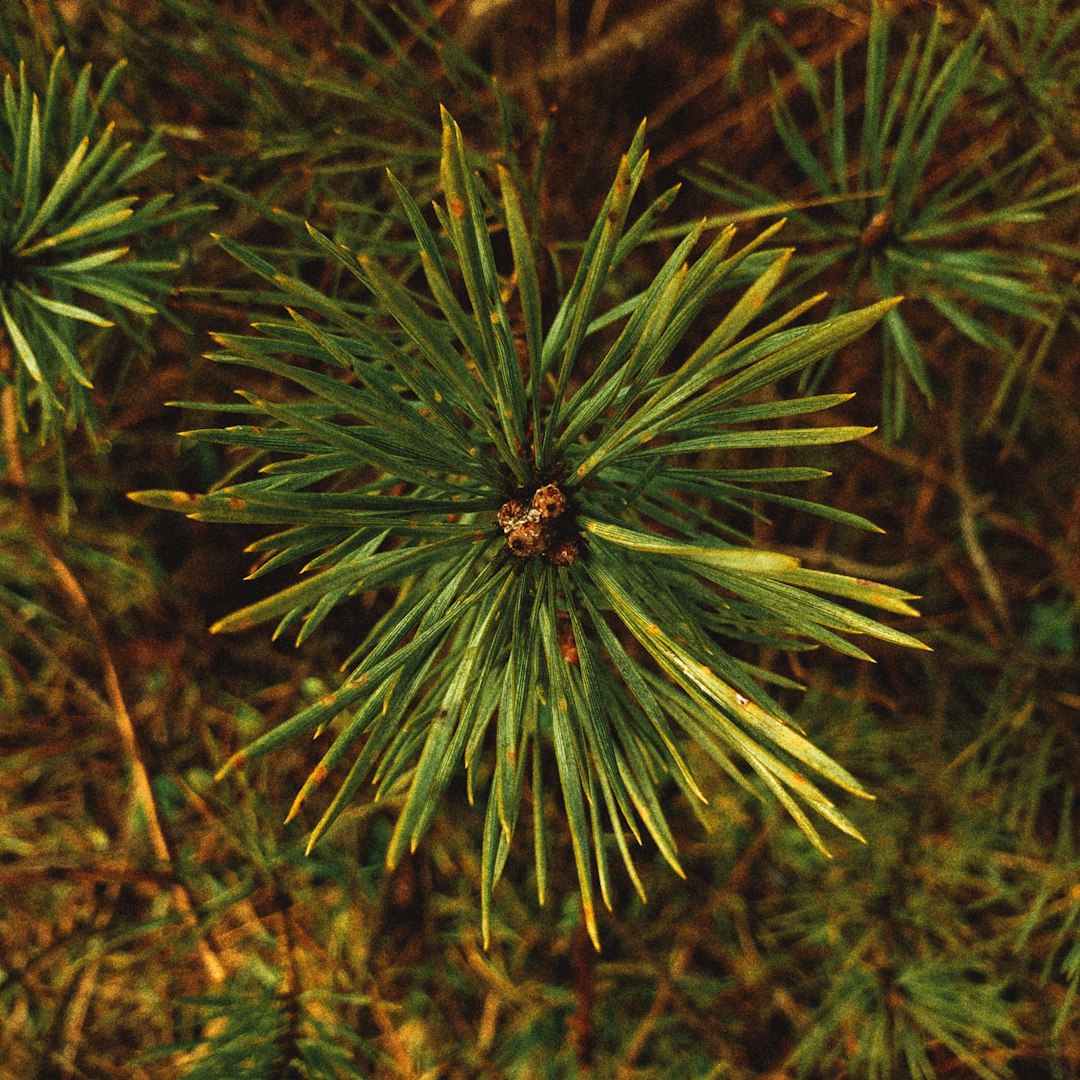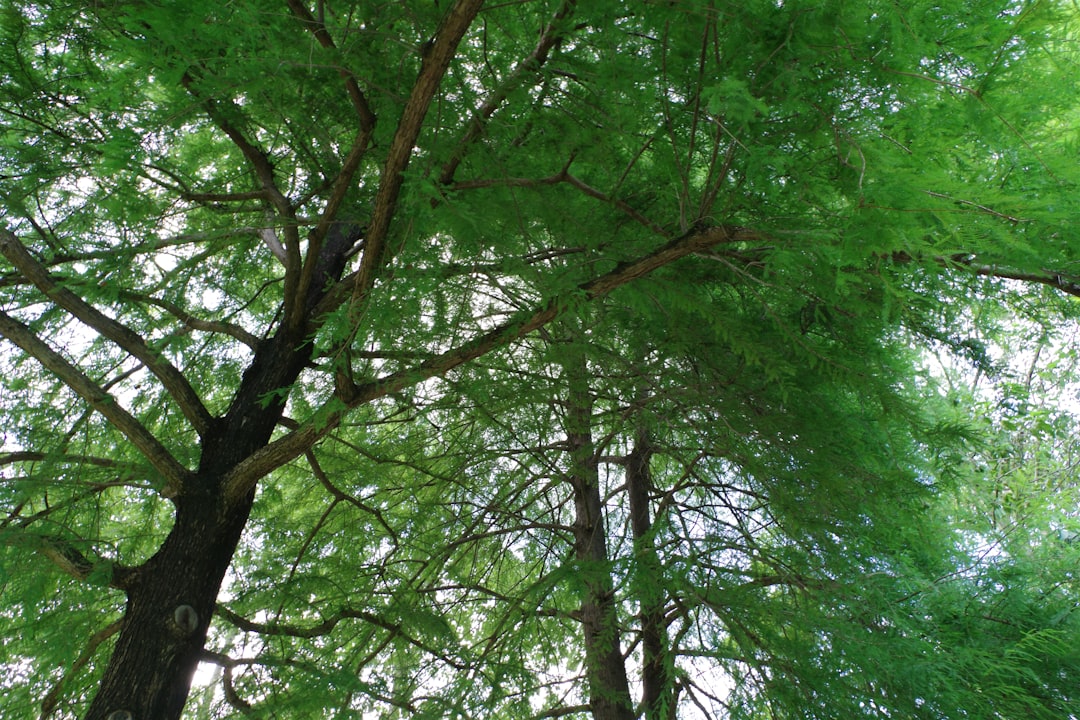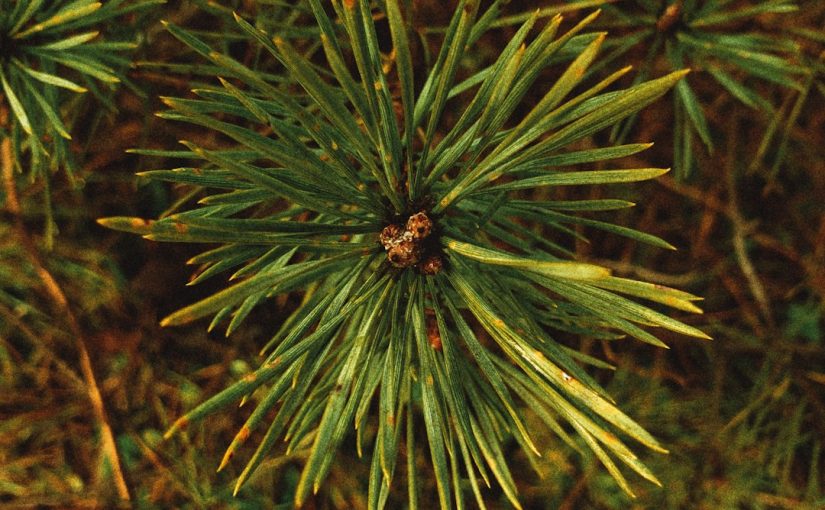
The loblolly pine, scientifically known as Pinus taeda, is a majestic and fast-growing conifer, iconic across the southeastern United States. Its robust nature makes it a cornerstone of both natural ecosystems and commercial timberlands. However, observing your loblolly pine needles transitioning from their vibrant green to an alarming shade of brown can be a source of significant concern for any homeowner or land manager. While some browning might be a completely natural occurrence tied to seasonal changes, it can also be a critical indicator of underlying issues ranging from environmental stress to serious pest infestations or fungal diseases. Understanding the precise reasons behind this color change is crucial for effective intervention and ensuring the long-term health of these valuable trees. This article will explore the most common culprits behind browning loblolly pines, helping you diagnose the problem and take appropriate action.
Natural causes and environmental stressors
Often, the browning of loblolly pine needles is a natural physiological process rather than a sign of distress. Like all conifers, loblolly pines shed their older needles periodically. This typically occurs in the fall or early winter, when the inner, older needles (closest to the trunk) turn yellow or brown before dropping. This natural needle senescence is a healthy part of the tree’s life cycle, allowing it to conserve resources and focus energy on new growth. If the browning is restricted to older needles on the interior of the tree, and the new growth at the tips remains green, there’s likely no cause for alarm.
Beyond natural shedding, environmental stressors frequently contribute to needle browning. Drought stress is a prominent factor. Loblolly pines, while somewhat drought tolerant once established, can suffer significantly during prolonged dry periods, especially if they are young or newly planted. Insufficient water availability forces the tree to shed needles to reduce transpiration and conserve moisture, leading to widespread browning, often starting from the tips and outer branches. Conversely, overwatering or poorly drained soil can also cause root rot, which impedes water uptake and mimics drought symptoms, resulting in brown needles.
Winter burn or cold stress can also manifest as brown needles. During freezing temperatures, especially when accompanied by strong winds, the needles can lose moisture faster than the roots can replenish it from frozen soil, leading to desiccation and browning, particularly on the exposed sides of the tree. Transplant shock is another common environmental stressor for recently planted loblolly pines. The tree experiences trauma during transplanting, often resulting in root damage, making it difficult for the tree to absorb sufficient water and nutrients, leading to needle browning and dieback in the first year or two after planting.
Finally, suboptimal soil conditions, such as highly compacted soil, extremely alkaline or acidic pH levels outside the loblolly’s preferred range (ideally 5.5 to 6.5), or nutrient imbalances, can hinder root function and nutrient uptake, thereby causing the needles to brown and decline.
Pest and insect infestations
When browning is widespread, progressive, or accompanied by other visible damage, pests are often the prime suspects. Among the most destructive are bark beetles, particularly the southern pine beetle (Dendroctonus frontalis) and various Ips beetles (e.g., Ips grandicollis, Ips calligraphus). These tiny beetles bore into the bark, creating tunnels and galleries where they lay eggs and feed on the phloem layer, which transports nutrients. This feeding effectively girdles the tree, cutting off its vital supply lines and causing the crown to rapidly turn reddish-brown from the top down. Signs of bark beetle infestation include:
- Pitch tubes: Small, reddish-brown resin masses resembling popcorn on the bark where beetles have entered.
- Frass: Fine, reddish-brown sawdust expelled from boreholes.
- S-shaped galleries: Visible under the bark, indicative of southern pine beetle activity. Ips beetles create Y- or H-shaped galleries.
Infested trees often die within weeks or months. Prompt identification and management are crucial, as these beetles can spread rapidly to nearby healthy pines.
Other insects, though usually less immediately fatal than bark beetles, can also contribute to needle browning. Pine sawflies (e.g., loblolly pine sawfly, Neodiprion taedae linearis) are defoliators whose larvae feed voraciously on older needles, leaving only the central vein. Severe defoliation can weaken the tree, making it susceptible to other stressors or even leading to death if repeated over several seasons. Spider mites, though tiny, can cause a stippled, dusty appearance on needles which may eventually turn yellow or bronze-brown, particularly during hot, dry conditions. While rarely lethal, heavy infestations can compromise tree vigor.
It’s important to inspect the trunk, branches, and needles thoroughly for these signs. Early detection of insect problems can often allow for more effective and less invasive treatment options.
Fungal diseases affecting loblolly pines
Fungal pathogens can also be a significant cause of browning and decline in loblolly pines. These diseases often target specific parts of the tree, from roots to needles, leading to various symptoms that include browning.
One of the most destructive diseases is fusiform rust, caused by the fungus Cronartium quercuum f. sp. fusiforme. This disease manifests as cankers or galls on the main stem and branches. These galls disrupt nutrient flow, weakening the tree and making it prone to breakage. Needles may initially yellow before turning brown as the affected branch or section of the tree begins to die back. During spring, infected galls produce orange spores, a telltale sign. While it may not directly cause widespread needle browning, severe stem cankers can lead to crown dieback, resulting in brown foliage.
Annosus root rot, caused by the fungus Heterobasidion annosum, is another serious threat, particularly in thinned pine stands. This fungus infects roots, decaying the wood and eventually girdling the tree underground. Symptoms above ground include a gradual thinning and yellowing of the crown, followed by widespread needle browning and eventual tree death. The presence of white, crust-like fungal mats (basidiocarps) at the base of infected trees or under duff layers can confirm its presence. This disease is particularly aggressive in areas with recent logging activity where stumps provide entry points for the fungus.
Needle cast diseases, such as those caused by species of Lophodermium or Ploioderma, typically affect older needles, causing them to develop yellow or brown spots before eventually turning entirely brown and prematurely shedding. While rarely fatal to mature trees, severe or repeated infections can weaken young trees and impact their growth and aesthetic value. The browning pattern is often distinct, appearing on specific sections or layers of needles rather than the entire canopy uniformly.
Finally, Diplodia tip blight (formerly Sphaeropsis sapinea) can cause new shoots and needles at the branch tips to turn brown and die. This disease is often associated with stressed trees and can spread rapidly during wet weather, leading to stunted growth and disfigured crowns. The presence of tiny black fruiting bodies (pycnidia) on dead needles or cones can help identify this pathogen.
Other stresses and effective management
Beyond natural processes, pests, and diseases, several other factors can contribute to a loblolly pine’s decline and needle browning. Nutrient deficiencies, while less common as the sole cause of widespread browning in established forest trees, can certainly weaken a tree and make it more susceptible to other issues. For instance, a severe lack of nitrogen, iron, or magnesium might manifest as general chlorosis (yellowing) before progressing to browning, particularly in planted landscapes where soil conditions differ from natural forest settings.
Chemical damage is another potent threat. Herbicides, especially those designed for broadleaf weeds, can drift onto pine needles and cause severe browning, necrosis, and even tree death. Similarly, excessive road salt runoff in winter can accumulate in the soil, leading to root damage and subsequent needle browning. Physical damage, such as root compaction from construction equipment, bark wounds from lawnmowers, or severe storm damage, compromises the tree’s ability to transport water and nutrients, leading to localized or widespread browning.
To effectively manage browning loblolly pines, accurate diagnosis is paramount. Here’s a summary of common issues and initial steps:
| Issue Category | Key Symptoms | Initial Management Approach |
|---|---|---|
| Natural Shedding | Inner, older needles brown in fall/winter; new growth green. | No action needed; normal tree process. |
| Drought Stress | Widespread browning, often from tips; dry soil. | Provide supplemental deep watering, especially during dry periods. |
| Bark Beetles | Rapid crown browning (reddish-brown), pitch tubes, frass, galleries. | Remove infested trees promptly; consult arborist for preventive sprays. |
| Fusiform Rust | Cankers/galls on branches/stem; orange spores in spring; branch dieback. | Prune infected branches; consider resistant varieties for new plantings. |
| Annosus Root Rot | Gradual thinning/yellowing, then browning of crown; fungal mats at base. | Avoid wounding roots; treat stumps after thinning; remove dead trees. |
| Needle Cast | Spots/bands on older needles, premature shedding. | Improve air circulation; clear fallen needles; fungicides if severe (consult expert). |
| Chemical Damage | Sudden browning, often on one side or localized area; chemical exposure evident. | Flush soil if possible; cease chemical application; provide supportive care. |
Regular inspection of your trees, providing adequate water (especially during dry spells), ensuring proper soil conditions, and protecting them from physical damage are fundamental to prevention. If you are unsure about the cause or the browning is extensive and spreading, it is always best to consult with a certified arborist or a local extension office. These professionals can provide an accurate diagnosis and recommend the most effective treatment plan tailored to your specific situation, helping to restore your loblolly pines to their full health.
The browning of your loblolly pine, while concerning, is a symptom with a range of potential underlying causes, from the completely natural to the critically severe. We’ve explored how seasonal needle drop is a healthy part of its life cycle, while environmental factors like drought, cold stress, or transplant shock can temporarily set back its vigor. More serious culprits include devastating pest infestations such as bark beetles, which demand immediate action, and various fungal diseases like fusiform rust or annosus root rot that can progressively weaken and kill trees. Furthermore, chemical exposure, nutrient imbalances, or physical damage can also contribute to this distressing sight. Pinpointing the exact reason for your tree’s browning is the first and most crucial step toward effective management. Regular observation, appropriate cultural practices, and proactive care are your best defenses against these issues. If in doubt, never hesitate to seek expert advice from an arborist. With proper diagnosis and timely intervention, many loblolly pines can recover and continue to thrive, gracing your landscape for years to come.
Image by: Vladyslav Lomakovych