Choosing the right plants for your garden can significantly impact its aesthetic appeal and long-term health. Among the vast array of evergreen options, two plants sometimes come up in conversation due to their persistent foliage, yet they are remarkably different: Wintergreen and Japanese Boxwood. While both offer year-round greenery, their botanical identities, growth habits, and landscape applications diverge significantly. Understanding these distinctions is crucial for making informed planting decisions, whether you’re aiming for a lush groundcover or a meticulously shaped hedge. This article will delve into the fundamental differences between Gaultheria procumbens and Buxus microphylla japonica, exploring their unique characteristics, cultivation needs, and ideal uses in various garden settings.
Unraveling their botanical identities
Despite both being evergreen, Wintergreen and Japanese Boxwood hail from entirely different plant families, leading to their distinct characteristics. Wintergreen, scientifically known as Gaultheria procumbens, belongs to the Ericaceae family, which also includes rhododendrons and blueberries. It is a low-growing, creeping sub-shrub native to North American woodlands, often found under conifers, thriving in cool, acidic conditions. Its common name evokes its winter interest and the distinct minty aroma of its leaves when crushed. On the other hand, Japanese Boxwood, Buxus microphylla japonica, is a member of the Buxaceae family. This species is native to Japan and Taiwan and is one of the most popular boxwood varieties due to its adaptability and dense growth. Its botanical lineage positions it as a woody shrub, typically used for formal landscaping rather than a woodland groundcover, showcasing a fundamental divergence from Wintergreen.
Distinctive physical characteristics and growth habits
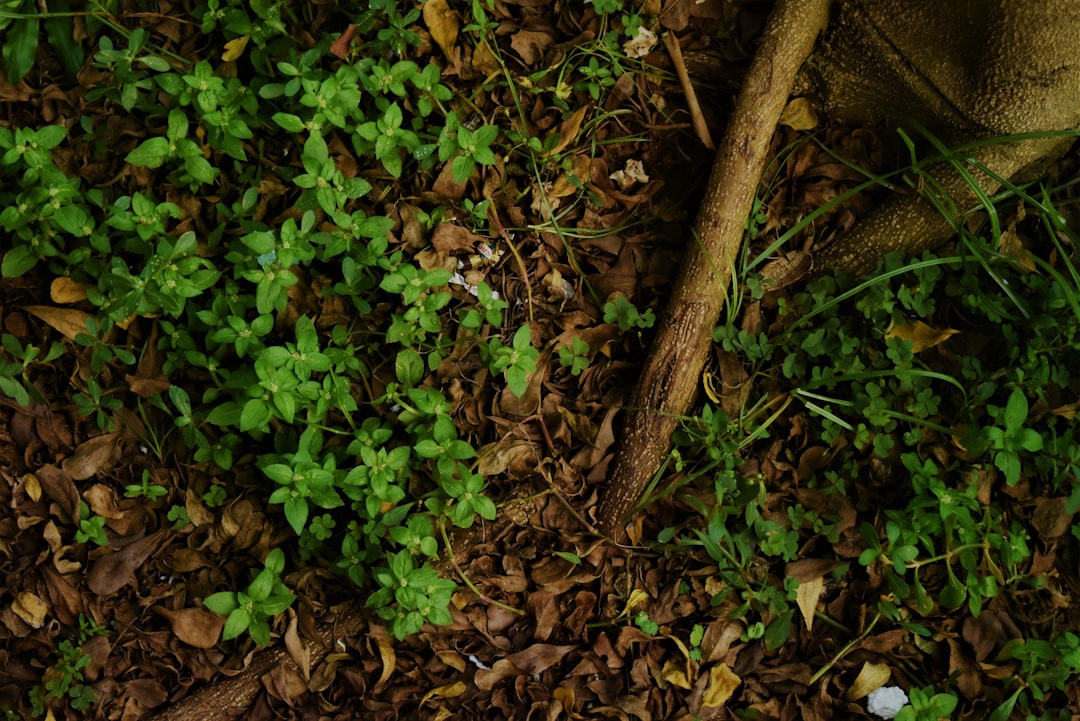
The visual differences between Wintergreen and Japanese Boxwood are immediately apparent upon closer inspection. Wintergreen typically reaches a modest height of 6 to 12 inches, spreading slowly to form a mat of glossy, dark green leaves that can turn reddish-bronze in colder months. Its leaves are oval, somewhat leathery, and have a finely serrated margin. In late summer, it produces small, bell-shaped white or pale pink flowers, followed by striking bright red berries that persist through winter, offering considerable ornamental value. Japanese Boxwood, conversely, is a much more substantial woody shrub, capable of reaching 6 to 8 feet in height and width if left untrimmed, though it is often kept much smaller through pruning. Its foliage consists of small, oval, bright green leaves, densely packed along the stems, giving it a fine texture and a very uniform, solid appearance, especially when sheared. It produces inconspicuous yellowish-green flowers in spring, which are not a significant ornamental feature, and its fruit are small, dry capsules, unlike Wintergreen’s showy berries.
Cultivation needs and environmental preferences
The vastly different native habitats of Wintergreen and Japanese Boxwood dictate their preferred growing conditions and care requirements. Wintergreen thrives in cool, moist, acidic soils rich in organic matter, preferring partial to full shade. It mimics its woodland understory origins by requiring consistently moist soil and protection from intense afternoon sun. It is hardy in USDA Zones 3-8 and generally requires minimal pruning, primarily for tidying or to encourage spread. Japanese Boxwood is much more adaptable, tolerating a wider range of soil types, from sandy to clay, as long as they are well-drained. It can grow in full sun to partial shade, though some afternoon shade in hot climates can prevent leaf scorching. It is hardy in USDA Zones 5-9. Boxwood benefits from regular pruning to maintain its shape, especially when used for hedges or formal designs, and generally appreciates consistent moisture but tolerates periods of drought once established.
Landscape applications and design considerations
Given their distinct characteristics and environmental needs, Wintergreen and Japanese Boxwood lend themselves to very different roles in landscape design. Wintergreen is an excellent choice for groundcover in shady woodland gardens, native plant landscapes, and beneath acid-loving shrubs like rhododendrons and azaleas. Its low profile, evergreen foliage, and persistent red berries make it ideal for adding winter interest and year-round texture to rock gardens or as an edible landscape plant. Its slow growth and spreading habit also make it a low-maintenance option for filling in bare spots. Japanese Boxwood, with its dense growth and ability to be meticulously shaped, is a cornerstone of formal garden design. It is widely used for creating crisp hedges, defined borders, foundation plantings, and intricate topiary specimens. Its uniform texture and evergreen nature provide structure and evergreen appeal in both traditional and contemporary settings. It is also an excellent choice for defining pathways or creating garden rooms, offering a more architectural and manicured presence than the naturalistic charm of Wintergreen.
Here is a comparison table outlining their key differences:
| Feature | Wintergreen (Gaultheria procumbens) | Japanese Boxwood (Buxus microphylla japonica) |
|---|---|---|
| Plant Family | Ericaceae | Buxaceae |
| Typical Height/Spread | 6-12 inches H / Spreading | 6-8 feet H / 6-8 feet W (can be pruned smaller) |
| Leaf Description | Glossy, dark green, oval, leathery; turns reddish in winter | Small, bright green, oval, dense |
| Flowers/Fruit | Small white/pink bell flowers; prominent red berries | Inconspicuous yellowish-green flowers; small dry capsules |
| Hardiness Zones | USDA Zones 3-8 | USDA Zones 5-9 |
| Preferred Light | Partial to full shade | Full sun to partial shade |
| Soil Preference | Cool, moist, acidic, rich in organic matter | Well-drained; adaptable to various soil types |
| Landscape Use | Groundcover, woodland gardens, native plants, rock gardens | Hedges, borders, foundation plants, topiary, formal gardens |
The comparison between Wintergreen and Japanese Boxwood reveals two distinctly different plants, each with its unique charm and purpose in the landscape. While both offer evergreen foliage, Wintergreen (Gaultheria procumbens) is a low-growing, shade-loving groundcover providing seasonal berries and a delicate presence, ideal for naturalistic or woodland settings. Japanese Boxwood (Buxus microphylla japonica), on the other hand, is a versatile, dense shrub known for its ability to be precisely shaped, making it a staple for formal hedges, borders, and structured garden designs. Understanding their botanical differences, growth habits, specific care requirements, and ideal landscape roles is paramount. By recognizing these distinctions, gardeners can make informed choices, ensuring the selected plant not only thrives in its given environment but also perfectly complements the intended aesthetic and functional goals of their outdoor space. Ultimately, the choice between Wintergreen and Japanese Boxwood comes down to your specific design needs and environmental conditions.
Image by: 21 swan