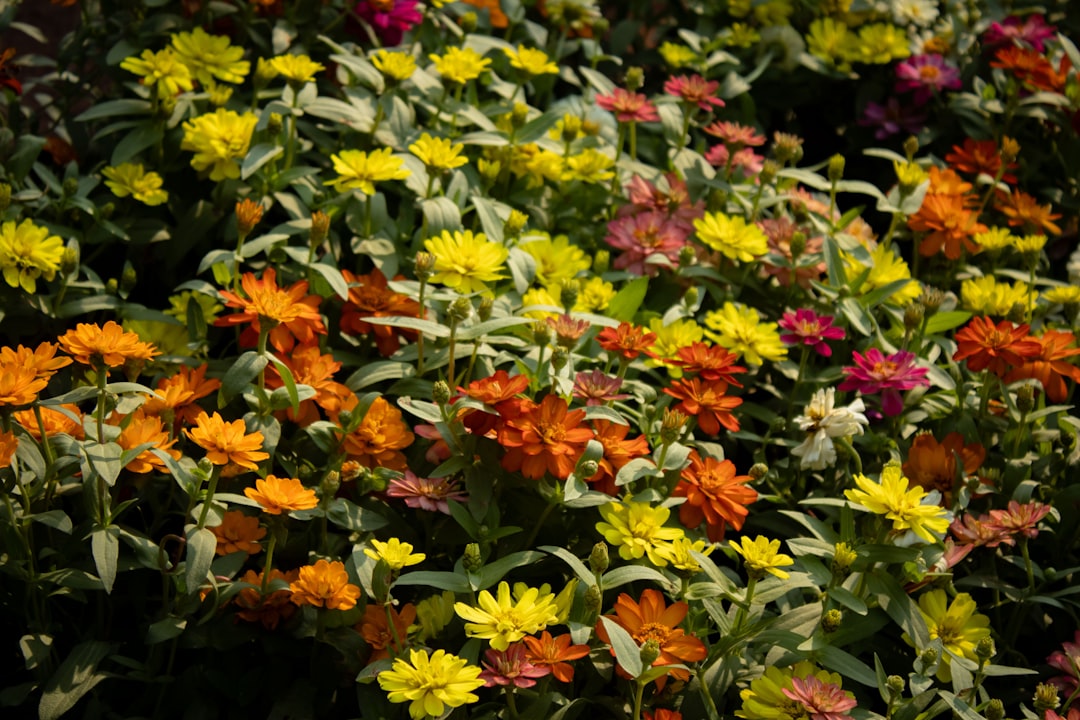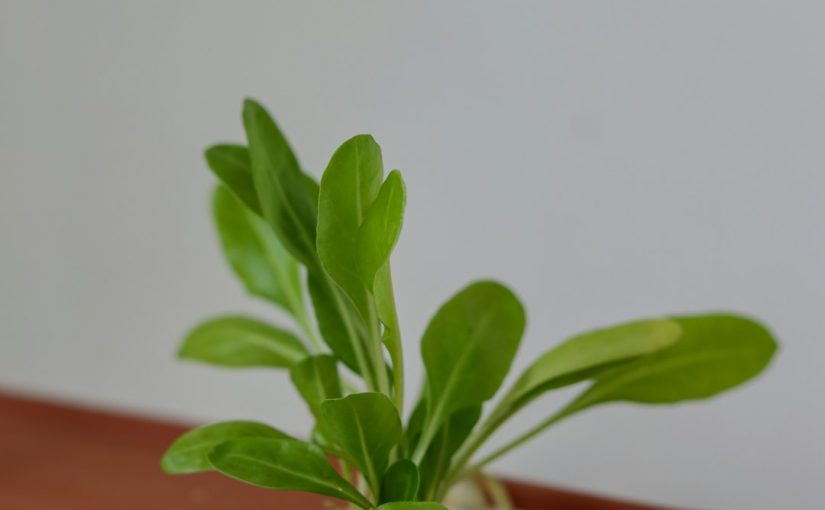
Cassia plants, with their vibrant yellow blooms and often delicate foliage, are a magnificent addition to any garden or landscape. Ranging from small shrubs to impressive trees, these fast-growing beauties can provide stunning visual impact and attract pollinators. However, to truly thrive, maintain their desired shape, and ensure a spectacular display of flowers year after year, proper trimming is not just beneficial—it’s essential. Understanding the right techniques, tools, and timing for pruning your Cassia can make all the difference, transforming an unruly specimen into a picture of health and elegance. This comprehensive guide will walk you through everything you need to know about how to effectively trim your Cassia plants, ensuring their longevity and enhancing their natural splendor.
Understanding cassia’s growth habits and timing your pruning
Before you even pick up your pruning shears, it’s crucial to understand the specific growth habits of your Cassia species. Different Cassias can grow as multi-stemmed shrubs, small trees, or even sprawling groundcovers, and their individual growth patterns will dictate the best approach to trimming. For instance, a Cassia that tends to grow into a small tree will require structural pruning from a young age to develop a strong central leader, while a shrub-type Cassia might benefit from more frequent shaping to maintain its density and form. Observing your plant’s natural shape and vigor will give you valuable insights.
The timing of your pruning is perhaps the most critical factor for success. For most Cassia varieties, the ideal time to prune is immediately after their flowering cycle has concluded. Pruning at this time allows the plant to put its energy into producing new growth that will mature and set buds for the following season’s blooms. Pruning too late in the growing season, especially in fall or early winter, can stimulate tender new growth that is highly susceptible to frost damage, particularly in colder climates. For dormant pruning, a light touch in early spring, just before new growth emerges, can be beneficial for removing winter damage or minor shaping. However, heavy pruning in spring can reduce the current year’s floral display.
Essential tools and safety for effective cassia pruning
Having the right tools is paramount for making clean cuts that heal quickly and minimize stress on the plant. Dull or inappropriate tools can tear plant tissue, creating entry points for diseases and pests. Here are the essential tools you’ll need:
- Hand Pruners (Bypass Type): For small stems up to 3/4 inch thick. Bypass pruners, which operate like scissors, make the cleanest cuts.
- Loppers: For branches up to 1 1/2 inches in diameter. Their long handles provide leverage for thicker cuts.
- Pruning Saw: For branches thicker than 1 1/2 inches. Look for a saw designed for green wood, which will cut efficiently without binding.
Before and after each pruning session, it’s vital to clean and sharpen your tools. Cleaning with rubbing alcohol or a bleach solution (1 part bleach to 9 parts water) helps sterilize blades, preventing the spread of diseases from one plant to another. Sharp blades ensure precise cuts that heal quickly. Always wear sturdy gardening gloves to protect your hands from thorns, sap, and blisters. Eye protection is also highly recommended, especially when working with springy branches that can snap back unexpectedly.
Step-by-step pruning techniques for healthy cassia
Effective pruning goes beyond simply cutting branches; it involves understanding where and how to make cuts to promote plant health and structure. Follow these general principles:
- Remove the “3 Ds” First: Begin by systematically removing any dead, diseased, or damaged branches. Dead branches are brittle and usually discolored; diseased branches may show cankers or unusual growths; and damaged branches might be broken or rubbing. Cut these back to healthy wood or to the main stem.
- Address Crossing and Rubbing Branches: Identify any branches that are growing into each other or rubbing. These points of friction can create wounds, and by removing one of the offending branches (usually the weaker or less ideally placed one), you improve air circulation and prevent future damage.
- Prune for Air Circulation: Thin out crowded areas, especially in the center of the plant. Good air circulation is crucial for preventing fungal diseases. Remove weak, spindly, or inward-growing shoots.
- Make Proper Cuts: Always cut just outside the branch collar (the slightly swollen area at the base of a branch) when removing entire branches. For reducing branch length or shaping, cut just above an outward-facing bud or a side branch. Ensure your cuts are clean and angled slightly away from the bud to allow water to run off.
Different types of pruning serve distinct purposes:
- Maintenance pruning: This involves light shaping, deadheading spent flowers, and removing minor issues throughout the growing season to keep the plant tidy.
- Rejuvenation pruning: For overgrown or neglected Cassia shrubs, this aggressive approach involves cutting back the entire plant by a significant amount (sometimes by one-third to one-half). This is best done over several years, removing a few of the oldest, thickest stems each year to stimulate new growth from the base.
- Structural pruning: Crucial for young trees, this focuses on developing a strong scaffold of branches and a clear central leader. Remove lower limbs gradually to raise the canopy, and prune to create well-spaced, strong branches.
Pruning for bloom optimization and specific shapes
One of the primary goals of growing Cassia is often its spectacular flowering, and targeted pruning can significantly enhance this display. As previously mentioned, pruning *after* flowering is key for most species as it encourages the plant to produce new growth that will bear next season’s blooms. Deadheading, which is the removal of spent flowers, is a form of maintenance pruning that also helps direct the plant’s energy away from seed production and towards more flowering or stronger vegetative growth. For some Cassia species, removing spent flower clusters can even encourage a second flush of blooms.
Beyond promoting flowers, pruning allows you to dictate the form and size of your Cassia. Here are common shaping goals:
| Shaping Goal | Pruning Technique | Outcome |
|---|---|---|
| Compact Shrub | Cut back stems by 1/4 to 1/3 after flowering, focusing on outward-facing buds. Remove leggy growth. | Denser, bushier plant with improved flower production. |
| Small Tree Form | Gradually remove lower limbs over several seasons to expose a single trunk. Encourage a strong central leader. Prune canopy for shape. | Elegant, multi-stemmed or single-trunk tree. |
| Container Plant | More frequent, lighter pruning to maintain desired size. Pinch back new growth to encourage branching and keep it compact. | Manageable size for pots, suitable for patios or limited spaces. |
For container-grown Cassias, maintaining a smaller size is often essential. This requires more frequent, lighter pruning throughout the growing season. Pinching back new growth on young plants encourages lateral branching, leading to a fuller, more compact habit. Regular observation and small adjustments will help your Cassia achieve and maintain the desired aesthetic, whether you’re aiming for a stately tree, a vibrant shrub, or a perfectly proportioned potted specimen.
Properly trimming your Cassia plants is an art and a science that profoundly impacts their health, vitality, and aesthetic appeal. Throughout this guide, we’ve explored the critical aspects, from understanding your plant’s unique growth habits and selecting the optimal time for pruning to arming yourself with the right tools and mastering the various cutting techniques. Whether your goal is to encourage a magnificent display of blooms, maintain a specific shape, or simply ensure the overall health and longevity of your Cassia, a thoughtful and systematic approach to pruning will yield impressive results. Remember that each cut you make contributes to the plant’s future, so take your time, observe your plant, and prune with purpose. By following these guidelines, you’ll empower your Cassia to flourish, becoming a vibrant and cherished feature in your garden for many years to come.
Image by: Mor Shani