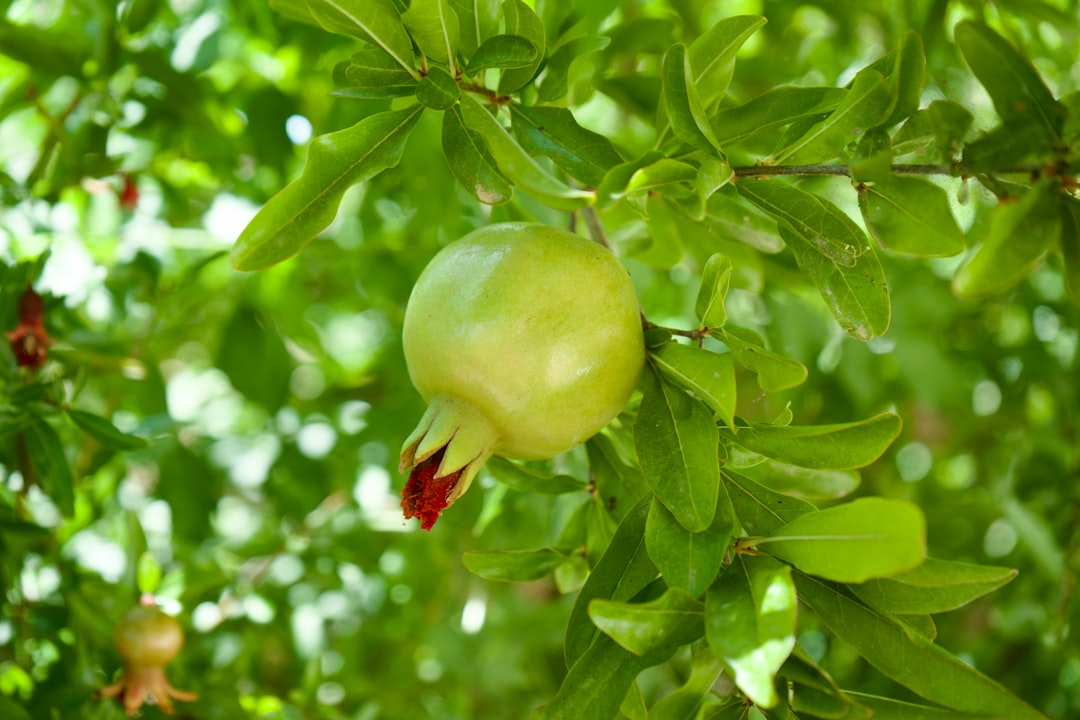
Pomegranate trees, with their vibrant blossoms and jewel-toned fruits, are a delightful addition to any garden or orchard. However, like most fruit-bearing plants, they are susceptible to a variety of insect pests that can diminish yields and compromise tree health. While chemical pesticides offer a quick fix, they pose risks to beneficial insects, the environment, and potentially to human health when applied to edible crops. This is where the wisdom of natural insect sprays comes into play. Embracing organic, homemade solutions not only protects your precious pomegranates but also fosters a healthier, more sustainable ecosystem in your backyard. This article will delve into effective, safe, and easy-to-prepare natural insect sprays specifically tailored for combating common pests on your pomegranate trees.
Understanding the need for natural pest control on pomegranates
Pomegranate trees, while relatively hardy, can fall victim to several common garden pests that thrive on their leaves, stems, and developing fruit. Among the most frequent culprits are aphids, which cluster on new growth, sucking sap and stunting development, and mealybugs, recognized by their fuzzy white appearance, causing similar damage. Whiteflies can also be a nuisance, swarming under leaves and weakening the plant. Scale insects, appearing as small, immobile bumps, also feed on sap, leading to sticky honeydew and sooty mold. The conventional approach often involves synthetic pesticides, but their broad-spectrum nature can harm beneficial insects like ladybugs and lacewings that naturally prey on pests. Moreover, residues on fruit are a concern for many growers and consumers. Opting for natural solutions minimizes these risks, ensuring your pomegranates are not only bountiful but also safe and organically grown, promoting a healthier overall garden environment.
Key natural insect spray recipes for your pomegranate trees
Creating your own natural insect sprays is a straightforward and rewarding process, offering targeted pest control without harsh chemicals. These solutions work by disrupting pest feeding, suffocating them, or acting as repellents, all while being gentle on your pomegranate trees and the surrounding ecosystem.
- Neem oil spray: Derived from the neem tree, neem oil is a powerful botanical insecticide. It works as an antifeedant, growth disruptor, and repellent.
- Recipe: Mix 1-2 tablespoons of cold-pressed neem oil with 1 teaspoon of mild liquid soap (like castile soap) in 1 gallon of water. The soap acts as an emulsifier, helping the oil mix with water.
- Application: Spray thoroughly on all parts of the tree, especially the undersides of leaves, until dripping. Best applied in the late evening or early morning to avoid burning leaves in direct sun and to minimize impact on beneficial daytime pollinators.
- Insecticidal soap spray: This simple solution works by dissolving the waxy protective coating of soft-bodied insects, leading to dehydration and death.
- Recipe: Combine 1-2 tablespoons of mild liquid dish soap (ensure it’s free of degreasers or strong perfumes) with 1 gallon of water.
- Application: Apply directly to pests on contact, focusing on affected areas. Repeat every 5-7 days as needed until the infestation is under control. Ensure good coverage.
- Garlic or chili pepper spray: These sprays act as potent repellents, deterring pests with their strong odors and irritating compounds.
- Recipe (Garlic): Blend 1-2 whole garlic bulbs with 1 quart of water until smooth. Strain the mixture through a cheesecloth. You can add 1 teaspoon of liquid soap to this concentrate. Dilute 1 part concentrate with 10 parts water before spraying.
- Recipe (Chili Pepper): Blend 1/4 cup of hot chili peppers (cayenne, habanero) with 1 quart of water. Let sit overnight, then strain. Add 1 teaspoon of liquid soap. Dilute 1 part concentrate with 10 parts water. Caution: Wear gloves and eye protection when preparing and applying this spray.
- Application: Spray as a repellent on leaves and stems. Reapply after rain or every few days as needed.
Here’s a quick comparison of these natural spray options:
| Spray Type | Primary Mode of Action | Target Pests | Application Frequency (Initial) |
|---|---|---|---|
| Neem Oil | Antifeedant, growth disruptor, repellent | Aphids, mealybugs, whiteflies, scale, spider mites | Every 7-10 days |
| Insecticidal Soap | Suffocation, cuticle disruption | Aphids, mealybugs, whiteflies, soft-bodied insects | Every 5-7 days |
| Garlic/Chili Spray | Repellent, irritant | General pests, deterring feeding | After rain or every 3-5 days |
Application best practices and integrated pest management
Effective application is just as crucial as the right recipe. Always test any new spray on a small, inconspicuous part of your pomegranate tree first, especially in hot weather, to ensure there are no adverse reactions. Apply sprays thoroughly, covering the tops and, most importantly, the undersides of leaves, stems, and any crevices where pests hide. The best time to spray is in the early morning or late evening when temperatures are cooler and beneficial insects are less active. Avoid spraying during the hottest part of the day, as this can lead to leaf burn, especially with oil-based sprays.
Beyond sprays, adopting an integrated pest management (IPM) approach significantly enhances pest control. This holistic strategy combines several techniques for long-term pest prevention and control:
- Regular inspection: Frequently check your pomegranate trees for early signs of pests. Catching infestations early makes them much easier to manage.
- Pruning: Remove any heavily infested branches or leaves. Proper pruning also improves air circulation, which can deter some pests and diseases.
- Encourage beneficial insects: Plant flowers that attract pollinators and predatory insects like ladybugs, lacewings, and parasitic wasps, which feed on common pomegranate pests.
- Sanitation: Keep the area around your pomegranate trees clean. Remove fallen leaves, fruit, and weeds that can harbor pests or diseases.
- Companion planting: Certain plants can deter pests. For instance, planting marigolds nearby can help repel nematodes and some insects.
- Water management: Ensure your trees are well-watered but not overwatered, as stressed plants are more susceptible to pest attacks.
By combining these practices with targeted natural sprays, you create a robust defense system that supports the health and productivity of your pomegranate trees organically.
Conclusion
Protecting your pomegranate trees from pests doesn’t have to involve a compromise on safety or environmental health. As we’ve explored, a range of effective and easily prepared natural insect sprays offers a sustainable alternative to chemical pesticides. From the multifaceted action of neem oil to the contact efficacy of insecticidal soaps and the repellent power of garlic and chili sprays, gardeners have excellent tools at their disposal. The key lies in consistent application, careful observation, and understanding the specific needs of your trees and their unwanted visitors. Combining these natural spray techniques with broader integrated pest management strategies—like encouraging beneficial insects, regular inspection, and good sanitation—creates a resilient ecosystem where your pomegranates can thrive. Embracing these organic methods not only ensures a bountiful, healthy harvest of delicious pomegranates but also contributes to a more vibrant and sustainable garden for years to come.
Image by: Yosuke Ota