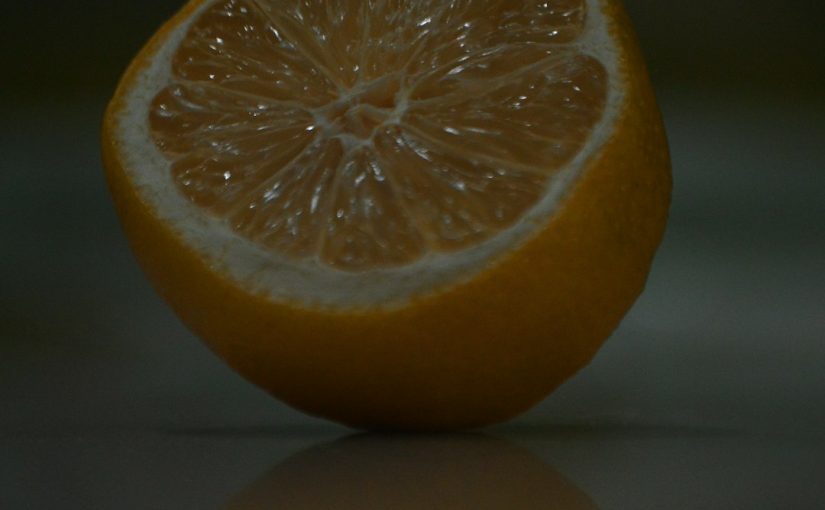
The Ugli fruit, also known as the Jamaican tangelo or uniq fruit, is a truly unique citrus hybrid that often leaves shoppers puzzled. Its name, derived from its naturally rough, mottled, and sometimes oddly shaped skin, belies a wonderfully sweet, juicy, and tangy interior. This exotic fruit, a delightful cross between an orange, a grapefruit, and a tangerine, offers a complex flavor profile that is a true treat for the palate—but only when perfectly ripe. The challenge for many lies in discerning just when this “ugly” beauty is at its peak. Unlike more conventional fruits, its exterior doesn’t always scream “eat me now.” This guide will equip you with the essential knowledge to confidently select a perfectly ripe Ugli fruit, ensuring every bite is a burst of tropical deliciousness.
Understanding the ugli fruit’s unique appearance
The first step in mastering Ugli fruit selection is to set aside conventional notions of fruit perfection. Its very name, Ugli, is a testament to its naturally irregular and somewhat unappealing skin. This citrus variety is characterized by a thick, dimpled, and often rough rind that can range in color from yellowish-green to greenish-orange, frequently featuring blotches and imperfections. These external quirks are not indicators of spoilage or unripeness; rather, they are inherent traits of the fruit. Therefore, judging an Ugli fruit solely on its aesthetic appeal, or lack thereof, would be a mistake. Its loose skin and sometimes deflated appearance are perfectly normal and actually offer subtle clues to its ripeness, which we’ll explore further.
The visual cues: color and texture changes
While an Ugli fruit’s overall appearance might be ‘ugly,’ there are subtle visual transformations that signal its readiness for consumption. Pay close attention to its color shift. An unripe Ugli fruit will typically display a more prominent green hue across its rind. As it begins to ripen, you’ll observe a gradual transition towards a brighter yellow or yellowish-orange. It’s important to note that even a perfectly ripe Ugli fruit might retain some green patches, especially around the stem or deeper dimples, so don’t expect a uniform orange like a navel orange. The key is the overall shift away from a dominant green to a more vibrant yellow or orange tone.
Beyond color, the texture of the rind provides a vital clue. An underripe Ugli fruit will have a firmer, more rigid skin that feels taut. As it ripens, the skin becomes noticeably softer and more supple. You might even notice that the skin appears a little wrinkled or seems slightly ‘loose’ on the fruit. This looseness is a good indicator, as the juicy pulp inside expands and then slightly pulls away from the thicker rind, making the skin feel less tightly stretched. This soft, slightly yielding skin, combined with a brighter coloration, moves you closer to a perfectly ripe choice.
The tactile test: feel and weight
Once you’ve observed the visual cues, the tactile test is arguably the most crucial step in confirming ripeness. Gently pick up the Ugli fruit and give it a slight, all-over squeeze. A ripe Ugli fruit will have a noticeable give to it. It shouldn’t be rock hard like an unripe lemon; instead, it should feel similar to a ripe orange or grapefruit that yields slightly under pressure. This softness indicates that the internal segments are plump with juice. If it feels hard and unyielding, it’s likely still underripe and will be less flavorful and juicy.
Another important tactile indicator is its weight. Lift the fruit and assess its heft. A ripe Ugli fruit will feel surprisingly heavy for its size. This density is a direct correlation to its juiciness; a heavy fruit means it’s packed with sweet, tangy liquid. Conversely, an Ugli fruit that feels light for its size might be dry, underripe, or past its prime. Always opt for the heaviest fruit among those of similar size. Combining the soft feel with a good weight gives you a strong assurance of internal ripeness and succulence.
Here’s a quick comparison of key indicators:
| Characteristic | Underripe Ugli Fruit | Ripe Ugli Fruit |
| Color | Mostly green, dull | Bright yellow to yellowish-orange, some green is normal |
| Skin Texture | Firm, rigid, taut | Softer, supple, slight looseness/wrinkling |
| Feel (Squeeze) | Hard, no give | Slight, noticeable give |
| Weight | Lighter for its size | Heavy for its size |
| Aroma | Little to no scent | Distinct, sweet, tangy citrus aroma |
The aromatic signal and peak season
Finally, engage your sense of smell. A truly ripe Ugli fruit will emit a distinct, sweet, and tangy citrus aroma. Bring the fruit close to your nose; if it’s ripe, you’ll catch a fragrant scent that hints at the juicy goodness within. If you’re struggling to detect a scent, gently scratch a small part of the rind with your fingernail and sniff again. An underripe fruit will have a very faint or nonexistent aroma, while an overripe one might smell fermented or off. The pleasant, characteristic citrus fragrance is a reliable final confirmation of ripeness.
Beyond sensory cues, knowing the Ugli fruit’s peak season can significantly increase your chances of finding ripe specimens. Ugli fruit is typically available from late autumn through spring, roughly November to April, with its peak season usually falling during the colder winter months. Purchasing Ugli fruit during its peak availability means the fruit has had ample time to mature and ripen naturally, making it easier to find those perfect, flavorful fruits that embody the best of what this unique citrus has to offer.
Mastering the art of selecting a ripe Ugli fruit is a rewarding skill that unlocks a world of unique flavor. By combining the visual cues of a transitioning yellow-orange color and a softer, slightly looser rind, with the tactile confirmations of a gentle give and a surprisingly heavy feel, and finally, the enticing aroma of sweet citrus, you can confidently choose the best fruit. Remember, its ‘ugly’ exterior is part of its charm and should never deter you from experiencing its exquisite taste. Embrace its imperfections and trust your senses to guide you. A perfectly ripe Ugli fruit, with its delightful balance of sweetness and tang, is a true culinary gem, perfect for eating fresh, adding to salads, or juicing. Enjoy the journey of discovering this truly uniq fruit at its absolute prime.
Image by: Danielle Scott