Discovering a swarm of tiny black flies buzzing around your beloved houseplants can quickly turn a green oasis into a source of frustration. These unwelcome guests, often mistaken for fruit flies, are typically fungus gnats, and while generally harmless to humans, they are a significant nuisance. More importantly, their larvae can cause damage to plant roots, especially in seedlings and young plants, hindering their growth and vitality. If you’re tired of these persistent pests, you’re in the right place. This article will delve into effective, sustainable strategies to eradicate fungus gnats from your plant soil, helping you restore peace and health to your indoor garden. We’ll explore everything from understanding their life cycle to implementing practical prevention and treatment methods, ensuring your plants thrive gnat-free.
Understanding the enemy: Identifying fungus gnats and their life cycle
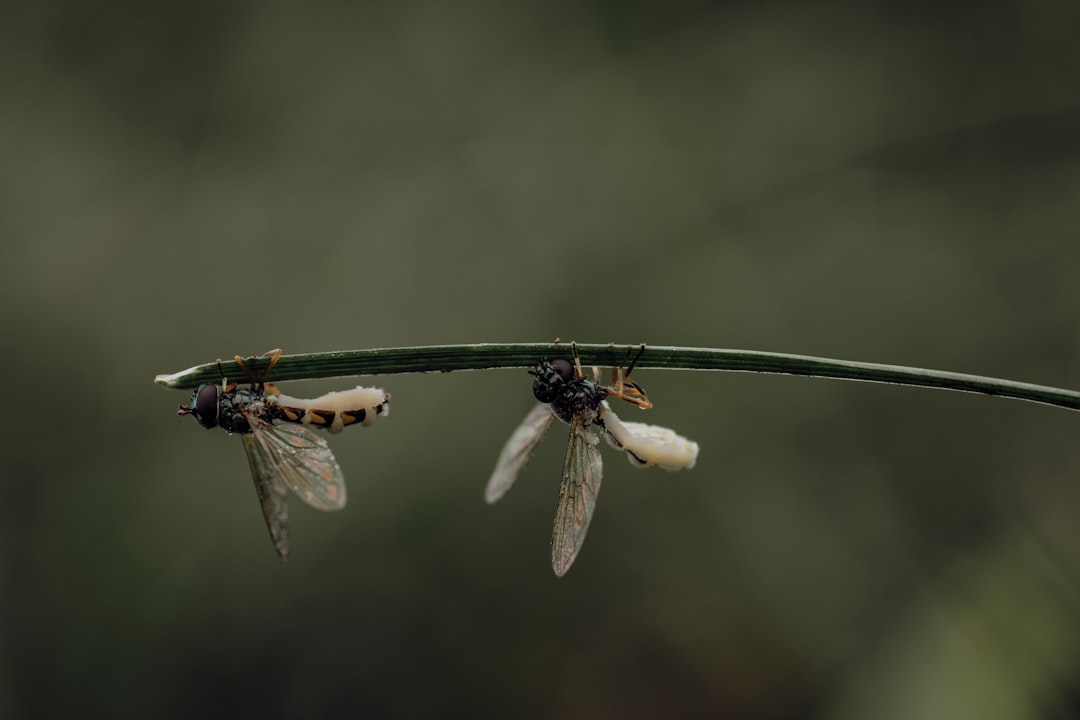
Before launching an attack, it’s crucial to understand your adversary: the fungus gnat. These small, dark, mosquito-like insects, typically 1/8 inch long, are often seen flitting around plant pots or scurrying across the soil surface. They are distinct from fruit flies, which are usually reddish-brown and drawn to decaying fruit. Fungus gnats, on the other hand, are specifically attracted to moist soil rich in organic matter, where they carry out their life cycle.
The life cycle of a fungus gnat unfolds in four stages: egg, larva, pupa, and adult. Adult female gnats lay tiny, translucent eggs in damp soil. Within three to four days, these eggs hatch into legless, white or clear larvae with distinct black heads. These larvae are the primary culprits of plant damage, as they feed on fungi, decaying organic matter, and, critically, tender plant roots and root hairs. This feeding can lead to stunted growth, wilting, and even plant death in severe infestations, particularly for young or delicate plants. After about two weeks of feeding, the larvae transition into pupae in the soil, emerging as adult gnats approximately three to four days later. The entire cycle can be completed in as little as 17 days, explaining why infestations can seem to explode overnight. Targeting the larval stage is key to effective control, as this is where they are most vulnerable and destructive.
The foundation of prevention: Watering and soil management
The most common invitation for fungus gnats is overwatering. These pests thrive in consistently damp conditions, which provide the ideal environment for their eggs and larvae. Therefore, the cornerstone of both prevention and treatment lies in meticulous watering and thoughtful soil management. The primary rule is to allow the top one to two inches of soil to dry out completely between waterings. You can test this by inserting your finger into the soil. If it feels moist, wait longer. Consider bottom watering your plants, where the pot absorbs water from a tray below; this keeps the top layer of soil dry, making it less appealing for gnats to lay eggs. Additionally, using a moisture meter can provide precise readings, preventing guesswork.
Beyond watering, your choice of soil plays a significant role. Avoid using overly rich, water-retentive potting mixes that remain soggy for extended periods. Opt for well-draining soil mixes, often containing perlite or coarse sand, which promote aeration and faster drying. If you reuse potting soil or bring in outdoor soil, consider sterilizing it by baking it in an oven to kill any existing gnat eggs or larvae. Furthermore, always remove any decaying plant matter, such as fallen leaves or spent flowers, from the soil surface. This organic material is a prime food source for gnat larvae, so keeping the surface clean reduces their buffet.
Strategic attack: Mechanical and biological control methods
Once you’ve addressed watering habits, it’s time to deploy targeted strategies to reduce existing gnat populations. A multi-pronged approach combining mechanical and biological controls often yields the best results.
Mechanical control focuses on physically removing or trapping the gnats:
- Yellow sticky traps: These bright yellow cards, placed near the soil surface or hanging among the foliage, are highly attractive to adult fungus gnats. They get stuck to the adhesive surface, preventing them from reproducing and laying more eggs. They also serve as an excellent monitoring tool to gauge the severity of your infestation.
- Potato slices: For a simple, natural trap, place thin slices of raw potato on the soil surface. Gnat larvae are attracted to the starch. After a few hours or overnight, simply remove and discard the potato slices (and the larvae feasting on them). Repeat daily until no more larvae are found.
Biological control involves introducing natural enemies or specific bacteria that target gnat larvae:
- Beneficial nematodes (Steinernema feltiae): These microscopic, parasitic roundworms are harmless to plants, humans, and pets but are deadly to fungus gnat larvae. Applied as a soil drench, they seek out and infect the larvae, killing them within a few days. They are a highly effective, long-term solution.
- Bacillus thuringiensis israelensis (BTI): This naturally occurring bacterium, available in products like Mosquito Bits or Dunks, specifically targets the larvae of mosquitoes, black flies, and fungus gnats. When applied to the soil as a drench, the larvae ingest the BTI, which produces toxins that disrupt their digestive system, leading to their demise. It’s a safe and organic solution.
Here’s a comparison of common control methods:
| Method | Target Stage | Mechanism | Pros | Cons |
|---|---|---|---|---|
| Yellow Sticky Traps | Adults | Physical trapping | Easy to use, monitors population, non-toxic | Doesn’t kill larvae directly, can be unsightly |
| Potato Slices | Larvae | Attractant bait | Inexpensive, organic, provides direct evidence of larvae | Requires daily replacement, less effective for severe infestations |
| Beneficial Nematodes | Larvae | Biological pest control | Highly effective, long-lasting, safe for plants/pets/humans | Requires specific storage/application, typically a one-time purchase |
| Bacillus thuringiensis israelensis (BTI) | Larvae | Bacterial toxin | Highly effective, organic, targets larvae specifically | Requires consistent application (drench), may take time to show full effect |
Advanced tactics and ongoing maintenance
When dealing with persistent infestations or seeking additional layers of defense, several advanced tactics can be employed. One effective strategy is applying a top dressing to your plant soil. A layer of horticultural sand, diatomaceous earth (DE), or fine gravel about half an inch thick can create a dry barrier that prevents adult gnats from reaching the moist soil to lay eggs. Diatomaceous earth has the added benefit of being a natural pesticide; its microscopic, sharp particles abrade the exoskeletons of gnat larvae and adults, leading to dehydration and death. Similarly, a sprinkle of cinnamon powder on the soil surface can act as an antifungal, inhibiting the growth of fungi that gnat larvae feed on, thus making the environment less appealing.
For severe and stubborn infestations, consider a complete repotting. This involves carefully removing the plant from its current pot, gently shaking off as much of the old, infested soil as possible, and even rinsing the roots under lukewarm water to remove any clinging larvae or eggs. Replant into a clean pot with fresh, sterile potting mix, ensuring good drainage. Always isolate any infested plants from your healthy ones immediately upon discovery to prevent the gnats from spreading to other plants. Remember that consistency and patience are crucial. Fungus gnat eradication often requires a combination of methods applied diligently over several weeks to break their life cycle completely. Regular checks and proactive measures will ensure your home remains a sanctuary for your plants, free from these tiny black nuisances.
Successfully eliminating fungus gnats from your houseplants involves a combination of understanding their life cycle, vigilant cultural practices, and strategic interventions. We’ve explored how proper watering and well-draining soil are foundational to prevention, as these pests thrive in damp environments. Beyond prevention, a variety of effective treatments were discussed, including mechanical methods like yellow sticky traps and potato slices to capture adults and larvae, and biological controls such as beneficial nematodes and BTI, which specifically target the destructive larval stage in the soil. Finally, advanced tactics like sterile top dressings and, in extreme cases, complete repotting, provide comprehensive solutions. By consistently applying these methods—from allowing soil to dry out to employing biological warfare against the larvae—you can break the gnat’s life cycle. Ultimately, a proactive and persistent approach is key to maintaining a healthy, gnat-free indoor garden, ensuring your plants flourish without the annoyance and potential harm caused by these tiny invaders.
Image by: Crystal Jo