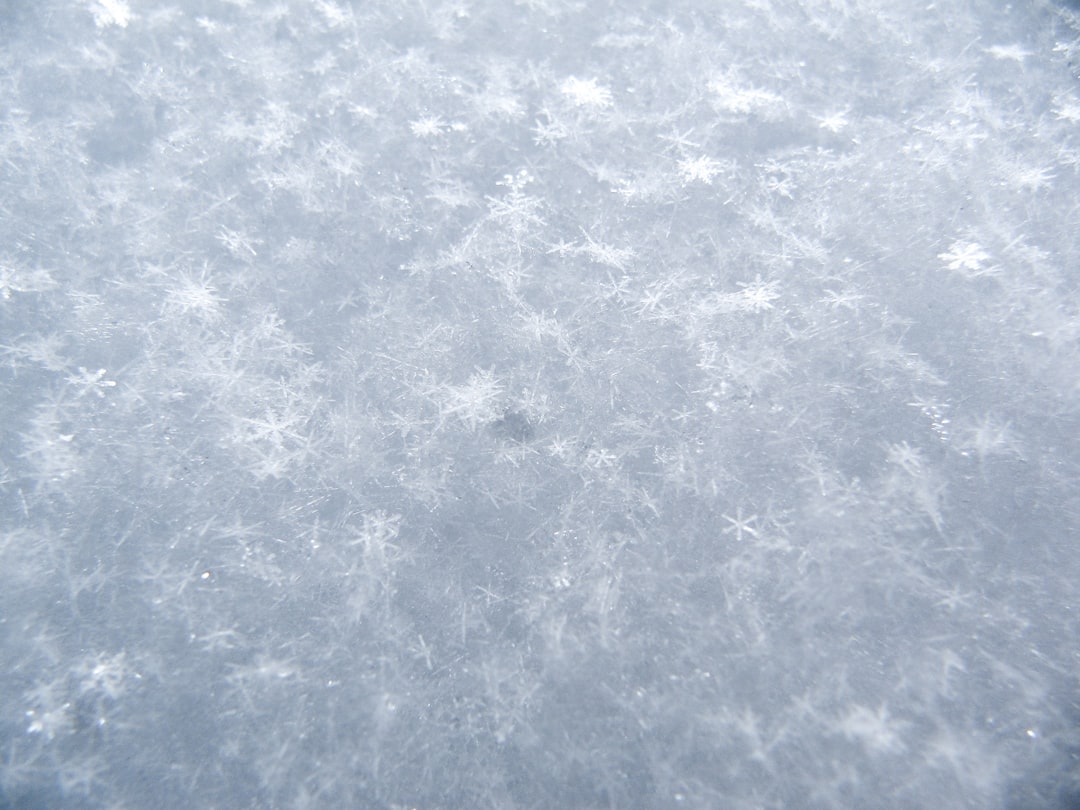
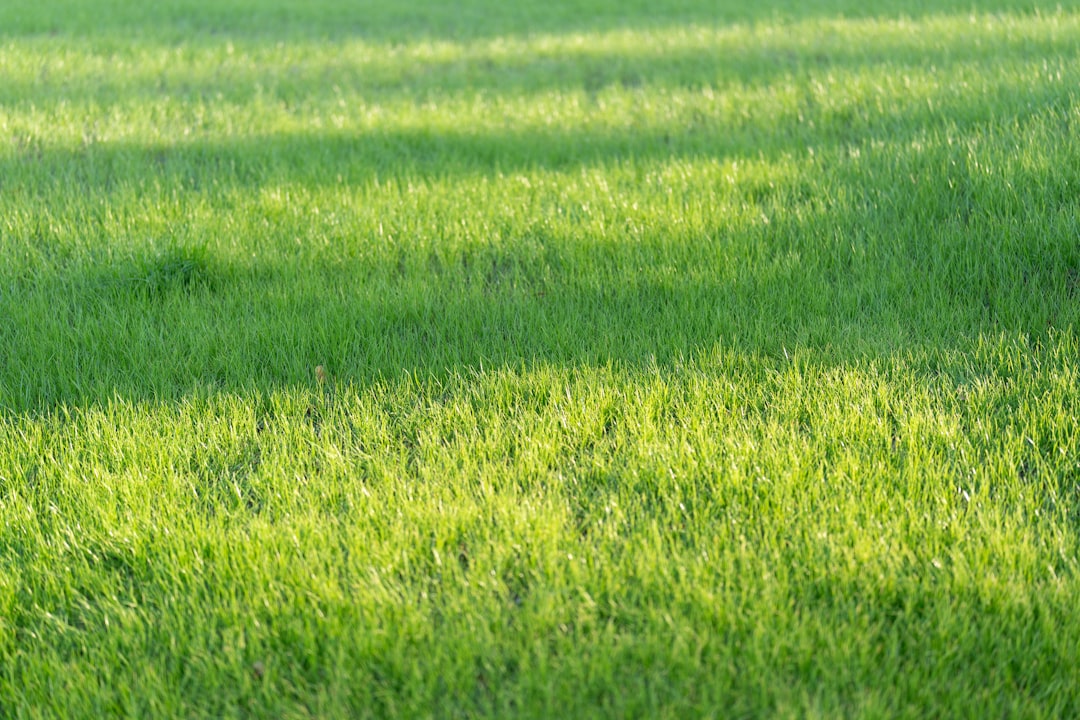
Winter wonderland scenes often come with a less welcome guest: persistent snow on your lawn. While picturesque at first, a prolonged blanket of snow can become a significant concern for homeowners eager to see their grass green up in spring. Beyond simply delaying the aesthetic appeal of a verdant yard, heavy or long-lasting snow cover can lead to several problems, including the development of fungal diseases like snow mold, compaction that inhibits grass growth, and even create hazardous icy patches. Understanding how to safely and effectively melt snow from your lawn is crucial for promoting its health and ensuring a quicker rebound once warmer weather arrives. This article will explore various strategies, from harnessing natural elements to utilizing appropriate melting agents, all while prioritizing the well-being of your precious turf.
Why clearing snow from your lawn is important
While a fresh snowfall can look beautiful, an extended period of snow cover on your lawn can pose several threats to its health and vigor. One of the primary concerns is the increased risk of snow mold, a fungal disease that thrives in cold, moist conditions under a blanket of snow. This can manifest as matted patches of grass with white or pinkish fungal growth once the snow melts, potentially causing significant damage that requires extensive repair. Furthermore, heavy snow can lead to soil and grass compaction, reducing essential air circulation and water penetration to the roots, thereby hindering spring growth. Ice formation, often resulting from melting and refreezing, can also suffocate grass, preventing it from accessing oxygen and potentially killing it. Expediting snow melt helps mitigate these risks, allowing your lawn to breathe, dry out, and begin its spring recovery much sooner.
Natural and low-impact methods for snow removal
Before reaching for chemical solutions, consider leveraging natural forces and simple manual techniques to encourage snow melt. The most obvious natural ally is the sun. Snow in shaded areas will linger much longer than snow exposed to direct sunlight. If possible, trim back any overhanging branches or remove obstructions that might cast shadows on your lawn during winter. Another effective, low-impact method is the strategic use of dark-colored materials. Spreading a thin layer of sand, wood ash (from untreated wood), or even a dark tarp over snowy patches can significantly accelerate melting. Dark surfaces absorb more solar radiation, converting sunlight into heat that then warms the snow directly above it, causing it to melt faster. For smaller, manageable areas, physically removing snow by shoveling or blowing it *off* the lawn (rather than piling it onto other sections of the grass) is also a direct and effective way to reduce the overall snow load. These methods are environmentally friendly and carry no risk of chemical damage to your lawn or local ecosystem.
Accelerating melting with safe chemical and organic aids
When natural methods aren’t enough, certain aids can help melt snow more quickly without severely damaging your lawn. The key is to choose products that are less harsh than traditional rock salt (sodium chloride), which is highly detrimental to grass and plants. Products like magnesium chloride, calcium chloride, and even urea-based fertilizers work by lowering the freezing point of water, effectively turning solid ice and snow into a liquid at temperatures below 32°F (0°C). Urea, for instance, is a common nitrogen fertilizer that provides a mild melting effect while also feeding your lawn. However, over-application should be avoided to prevent fertilizer burn. Magnesium chloride is generally considered one of the safer options for pets and plants compared to calcium chloride, though both should be used sparingly and according to manufacturer instructions. A light, even application is crucial. Always check product labels for specific application rates and warnings, especially concerning pet safety.
Here’s a comparison of common snow-melting agents:
| Agent | Melting Effectiveness | Lawn Safety | Pet Safety | Key Considerations |
|---|---|---|---|---|
| Magnesium Chloride | Good (effective to -13°F / -25°C) | Relatively high | Good (less irritating) | Less corrosive, good choice for general use. |
| Calcium Chloride | Excellent (effective to -25°F / -32°C) | Moderate (can dehydrate plants) | Moderate (can cause paw irritation) | Very fast-acting, but use with caution. |
| Urea (Fertilizer) | Low to moderate (effective to 15°F / -9°C) | High (can fertilize, but high doses burn) | High (if ingested, can be toxic in large amounts) | Slow-acting, dual purpose (melts & fertilizes). |
| Wood Ash | Low (works via heat absorption, not freezing point) | High (improves soil pH if acidic) | High | Dark color helps absorb sun, adds nutrients. |
Preventative strategies and lawn care considerations
Beyond immediate melting tactics, adopting preventative measures and good lawn care practices can significantly reduce the impact of winter snow. Proper fall lawn care is paramount. This includes aerating your lawn to improve drainage and reduce compaction, which helps the soil dry faster once snow melts. Mowing your grass to the appropriate height before winter (not too short, not too long) can also prevent matting and fungal growth. Consider where you pile snow when shoveling driveways and sidewalks; try to avoid dumping large quantities onto vulnerable areas of your lawn. If your lawn consistently suffers from snow mold, look for grass seed varieties that are more resistant to fungal diseases when reseeding. Ultimately, a healthy, well-maintained lawn is more resilient to the stresses of winter and will recover more quickly from snow cover, whether it melts naturally or with a little assistance.
Effectively melting snow from your lawn involves a thoughtful combination of strategies, balancing speed with the health of your turf and the environment. From harnessing the sun’s natural warmth with dark materials to carefully applying targeted chemical or organic aids, each method offers distinct advantages. The key takeaways emphasize choosing less harmful alternatives like magnesium chloride or urea over traditional rock salt, understanding the “why” behind each technique (be it solar absorption or lowering freezing points), and always prioritizing moderation in application. Beyond active melting, solid preventative measures such as proper fall lawn care and mindful snow removal significantly contribute to your lawn’s resilience. By adopting a well-rounded approach, you can ensure your lawn emerges from winter healthier, greener, and ready to thrive, avoiding the common pitfalls of prolonged snow cover and welcoming the vibrancy of spring much sooner.