There are few things as satisfying for a home gardener as nurturing a thriving Meyer lemon tree, anticipating its fragrant blooms and juicy fruit. However, the sudden appearance of dark spots on those vibrant green leaves can quickly turn that joy into concern. These mysterious blemishes are a common issue, and they often signal an underlying problem that needs your attention. Understanding the ‘why’ behind these spots is the first crucial step toward restoring your plant’s health and vitality. From subtle environmental stressors to microscopic invaders, a range of factors can contribute to leaf discoloration. This article will delve into the most frequent culprits, offering practical insights and actionable solutions to help you diagnose and treat your beloved Meyer lemon tree.
Assessing the environment: The first clues
When you first notice dark spots, take a moment to observe your plant’s surroundings and the spots themselves. The appearance, location, and spread of these spots offer valuable clues. Are they tiny pinpricks or large blotches? Are they raised, sunken, fuzzy, or smooth? Do they appear on old leaves, new growth, or both? Often, the simplest explanations lie in your plant’s immediate environment.
One common factor is improper watering. Both underwatering and overwatering can lead to leaf stress and discoloration. Underwatered trees may develop crisp, brown or dark spots, especially along the leaf margins, as cells die from dehydration. Conversely, overwatering can lead to root rot, which starves the leaves of oxygen and nutrients, causing them to develop dark, often mushy spots or turn completely black. Always check the soil moisture before watering; the top two to three inches should feel dry to the touch.
Light exposure also plays a critical role. While Meyer lemons love bright light, sudden exposure to intense, direct sunlight after being in a shadier spot can cause sunburn, manifesting as scorched, dark brown or black patches on the leaves. Conversely, insufficient light, especially for indoor plants, can weaken the tree, making it more susceptible to other issues and sometimes leading to dull, discolored foliage. Humidity is another often-overlooked environmental factor. Meyer lemons prefer moderate to high humidity. In dry environments, leaf tips and edges might turn brown or dark, and the plant becomes more vulnerable to certain pests.
Pest invasions: Tiny threats, big impact
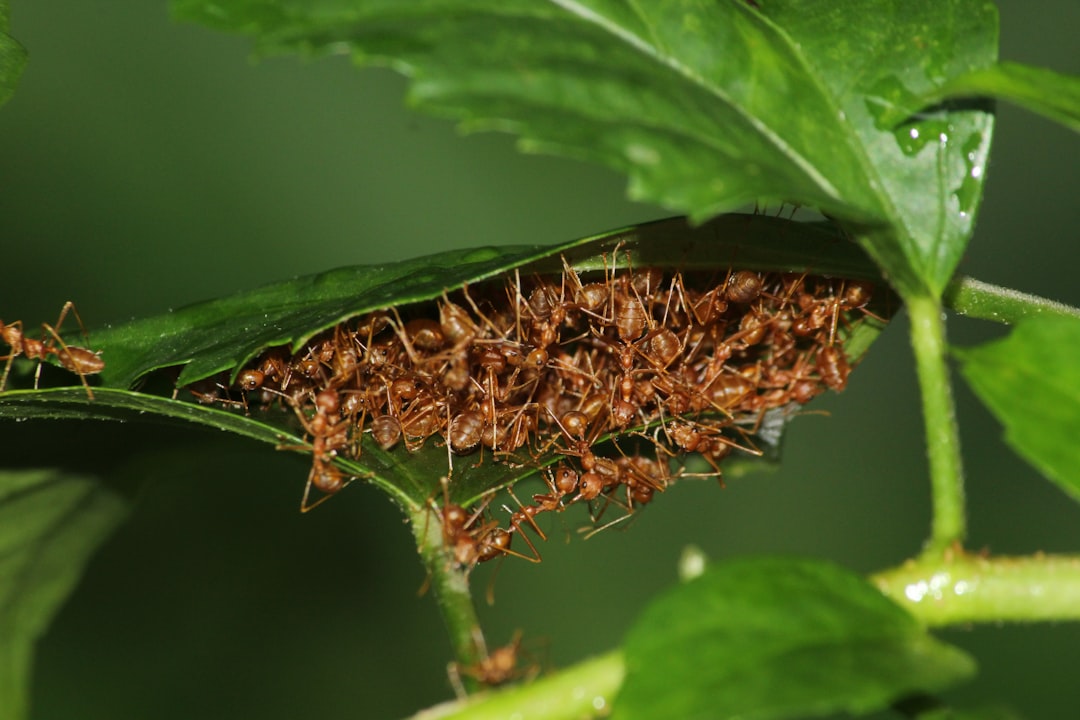
Sometimes, those dark spots are not a direct symptom but rather a secondary indicator of a pest problem. Several common citrus pests excrete a sticky substance called honeydew, which then becomes a breeding ground for sooty mold. Sooty mold itself isn’t harmful to the plant tissue directly, but the thick black film it creates blocks sunlight, impairing photosynthesis and weakening the tree over time.
The primary culprits for sooty mold are sap-sucking insects:
- Scale insects: These tiny, immobile pests attach themselves to stems and leaves, often on the undersides. They look like small, oval bumps and can be brown, white, or black. Their feeding can cause localized yellowing, but their honeydew is the more obvious sign.
- Aphids: Small, soft-bodied insects, often green, black, or orange, found on new growth. They distort leaves and produce copious amounts of honeydew.
- Mealybugs: Cottony, white insects that cluster in leaf axils and on undersides of leaves. They also excrete honeydew.
Other pests, like spider mites, don’t produce honeydew but can cause leaf damage that appears as tiny dark spots or stippling, often accompanied by fine webbing on the undersides of leaves. Thrips feeding damage can also result in silvery patches that turn dark over time.
Regular inspection of your tree, especially the undersides of leaves and new growth, is essential for early detection. Many pest issues can be managed with horticultural oil, insecticidal soap, or by simply wiping off the pests with a damp cloth.
Fungal and bacterial diseases: Microscopic marauders
Beyond pests, various diseases, both fungal and bacterial, can cause distinctive dark spots on Meyer lemon leaves. Accurate identification is key to effective treatment.
- Citrus scab: This fungal disease causes raised, wart-like lesions that are often brownish-black and can make leaves look crinkled or distorted. It’s more prevalent in humid conditions and often affects young leaves and fruit.
- Anthracnose: Caused by a different fungus, anthracnose typically manifests as irregular, dark brown or black spots, often starting at the leaf margins or tips. These spots can enlarge, leading to leaf dieback. It thrives in high humidity and can be exacerbated by stress.
- Greasy spot: This fungal disease appears as yellowish-brown, slightly raised spots that feel greasy, predominantly on the undersides of mature leaves. Over time, these spots can turn darker, almost black, and become more prominent on the upper leaf surface as well.
- Bacterial blast: Less common but can cause irregular, black, sunken spots on leaves and twigs, often following cool, wet weather or frost damage.
Treatment for fungal diseases often involves improving air circulation around the plant, removing affected leaves, and sometimes applying a fungicide specific to the pathogen. Good sanitation, such as cleaning up fallen leaves and debris, also helps prevent disease spread.
Nutritional imbalances and other stressors
Sometimes, the problem isn’t an invader but an internal deficiency or an external physiological stressor. Nutritional imbalances can manifest as various leaf symptoms, including discoloration.
For instance, a deficiency in certain micronutrients can weaken the plant and make it more susceptible to other issues. While direct dark spots are less common for nutrient deficiencies, severe cases can lead to tissue necrosis (death), which appears as dark areas. Magnesium deficiency, for example, typically causes yellowing between veins, but in severe cases, these yellow areas can turn necrotic and dark. Iron deficiency causes overall yellowing of new growth, but if severe and prolonged, parts of the leaf can die and darken.
Over-fertilization is another common issue. Too much fertilizer can lead to a buildup of salts in the soil, causing “fertilizer burn.” This often appears as brown or dark tips and margins on the leaves, similar to symptoms of underwatering. The salt accumulation essentially draws water out of the plant cells.
Lastly, general stress from transplant shock, sudden temperature drops, or even natural leaf senescence (aging) can result in leaves developing dark spots or simply dropping off. Older leaves naturally yellow and drop, but if new growth is also affected, it points to a more systemic issue.
| Spot appearance | Common cause | Brief solution |
|---|---|---|
| Black, powdery, wipes off | Sooty mold (from pests like scale, aphids) | Identify and treat underlying pests, wipe leaves |
| Raised, scab-like, brown/dark | Citrus scab (fungal) | Prune affected areas, improve air circulation, fungicide if severe |
| Irregular dark brown/black lesions | Anthracnose (fungal) | Prune affected parts, improve drainage, fungicide |
| Small, raised, yellowish-brown on undersides | Greasy spot (fungal) | Improve air circulation, specific fungicides |
| Dark, sunken spots with yellow halo | Bacterial blight (bacterial) | Remove affected parts, improve hygiene, avoid overhead watering |
| Brown/black spots at leaf tips/margins | Salt burn, over-fertilization, severe underwatering | Flush soil, adjust watering/fertilizing frequency and amount |
Final thoughts
Identifying the cause of dark spots on your Meyer lemon leaves requires a bit of detective work, but it is a manageable challenge for any devoted plant parent. As we have explored, the culprits range from environmental stressors like improper watering and light to more insidious pests and diseases, and even nutritional imbalances. The key takeaway is observation: diligently inspecting your plant, understanding its environmental needs, and noticing subtle changes can help you intervene effectively and early. Remember, a healthy Meyer lemon tree is a happy Meyer lemon tree, more resistant to problems. By providing consistent care—adequate watering, proper lighting, appropriate humidity, and regular feeding—you empower your plant to thrive. Don’t be discouraged by these leaf blemishes; view them as an opportunity to learn more about your plant and deepen your gardening expertise. With patience and the right approach, your Meyer lemon will soon be flourishing with lush, vibrant foliage once more.
Image by: Mockup Graphics