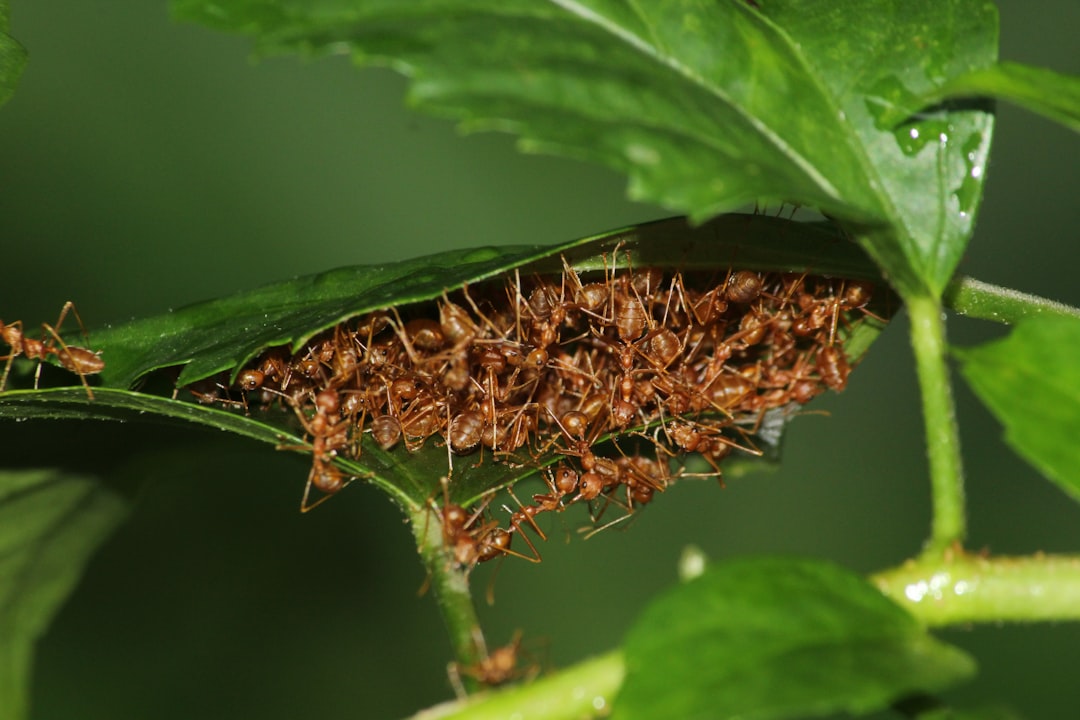
Discovering a trail of ants marching across your kitchen counter, especially towards your pristine stove, can be an incredibly frustrating experience. Not only is it unsanitary, but it also signals a potential underlying issue with cleanliness or entry points in your home. These tiny invaders are on a relentless quest for food and water, and your stove, often a repository of forgotten crumbs, grease splatters, and food residues, presents an irresistible buffet. Understanding their motivations and implementing strategic countermeasures is crucial for maintaining a pest-free cooking space. This guide will walk you through effective, practical methods to not only eliminate existing ant problems but also to establish long-term prevention strategies, ensuring your stove remains a zone for culinary creation, not an ant colony’s dining hall.
Understanding why ants are drawn to your kitchen
Before you can effectively banish ants from your stove, it is vital to comprehend what makes your kitchen, and specifically your cooking area, such a magnet for them. Ants are driven by primary needs: food, water, and shelter. Your kitchen typically offers all three in abundance. Spills, crumbs, and grease residue left on and around the stove after cooking are prime food sources. Even tiny sugar crystals or a drop of spilled juice can attract a scout ant, who then leaves a pheromone trail for the rest of its colony to follow. Water sources, often overlooked, include condensation around pipes, leaky faucets, or even a damp sponge. Cracks in walls, gaps around pipes, or unsealed window frames provide easy entry points and safe harbor for these tiny invaders. Once a colony discovers a reliable food and water source, they will keep coming back, making proactive measures essential.
Immediate cleanup and sanitation strategies
The first and most critical step in deterring ants from your stove involves rigorous and consistent cleaning. Ants are largely opportunistic, so eliminating their food sources directly impacts their desire to visit. Begin by thoroughly cleaning your stove after every use. This means wiping down the stovetop, burners, and oven door to remove any crumbs, food particles, or grease splatters. Do not forget the often-neglected areas: the drip pans under electric burners, the grates on gas stoves, and the small crevices where food can accumulate. For deeper cleaning, pull out the stove periodically and clean behind and underneath it, as this is where grease and food debris tend to gather, creating a hidden feast for ants. A solution of equal parts white vinegar and water can be a particularly effective natural cleaner, not only sanitizing surfaces but also disrupting ant pheromone trails, making it harder for them to communicate and navigate.
Creating barriers and deterrents
Once your stove and surrounding areas are sparkling clean, the next step is to establish barriers and deterrents to discourage ants from returning. Many natural substances can be highly effective in repelling ants due to their strong scents or disruptive properties, without resorting to harsh chemicals in a food preparation area. For instance, white vinegar, as mentioned, is excellent for wiping surfaces and can also be sprayed directly onto ant trails. Other potent deterrents include peppermint oil (diluted in water and sprayed or applied with cotton balls), lemon juice, cinnamon, and coffee grounds. Sprinkle a fine line of cinnamon or coffee grounds along known entry points or directly on ant trails to disrupt their scent communication. Placing cotton balls soaked in peppermint oil near the back of your stove or along baseboards can also be very effective. Additionally, physically sealing entry points is crucial. Inspect your kitchen for any cracks in walls, gaps around pipes, or unsealed window frames and caulk them to prevent easy access.
Advanced tactics and long-term prevention
For persistent ant problems, or as part of a comprehensive long-term prevention plan, more targeted strategies may be necessary. If natural deterrents aren’t quite enough, ant baits can be highly effective because they target the entire colony, not just the visible foragers. These baits contain a slow-acting poison mixed with an attractive food source that worker ants carry back to the nest, ultimately eliminating the queen and the colony. Always place baits in discreet locations away from food preparation surfaces, and out of reach of children and pets. Beyond specific treatments, overall kitchen hygiene plays a massive role. Store all food in airtight containers, regularly empty trash cans, and ensure pet food bowls are clean and dry. For severe or recurring infestations, consulting a professional pest control service might be the best course of action. They can identify specific ant species, locate nests, and apply targeted treatments safely.
| Deterrent | Application Method | Primary Benefit |
| White Vinegar | Spray directly, wipe surfaces | Repellent, natural cleaner, disrupts scent trails |
| Peppermint Oil | Cotton balls near entry points, diluted spray | Strong repellent scent, non-toxic |
| Cinnamon | Sprinkle along ant trails, entry points | Disrupts ant trails, natural barrier |
| Lemon Juice | Spray directly, wipe surfaces | Acidic, disrupts ant trails, fresh scent |
| Diatomaceous Earth (food-grade) | Sprinkle in cracks/crevices | Dehydrates ants, physical barrier |
Keeping ants off your stove, and indeed out of your kitchen, requires a multi-faceted approach combining vigilance, sanitation, and strategic deterrence. We’ve explored understanding their motivations—the pursuit of food, water, and shelter—and then moved through immediate cleaning protocols that remove their primary attractants. From there, we delved into creating natural barriers using common household items like vinegar and essential oils, which disrupt their pathways and communication. Finally, for more stubborn issues, we considered advanced tactics such as ant baits and overall kitchen hygiene. The key takeaway is consistency: regular cleaning, prompt spill management, and maintaining deterrents are not one-time fixes but ongoing commitments. By diligently applying these strategies, you can transform your kitchen into an unwelcome environment for ants, ensuring your stove remains a clean, functional centerpiece for all your culinary adventures.
Image by: Rob Coates