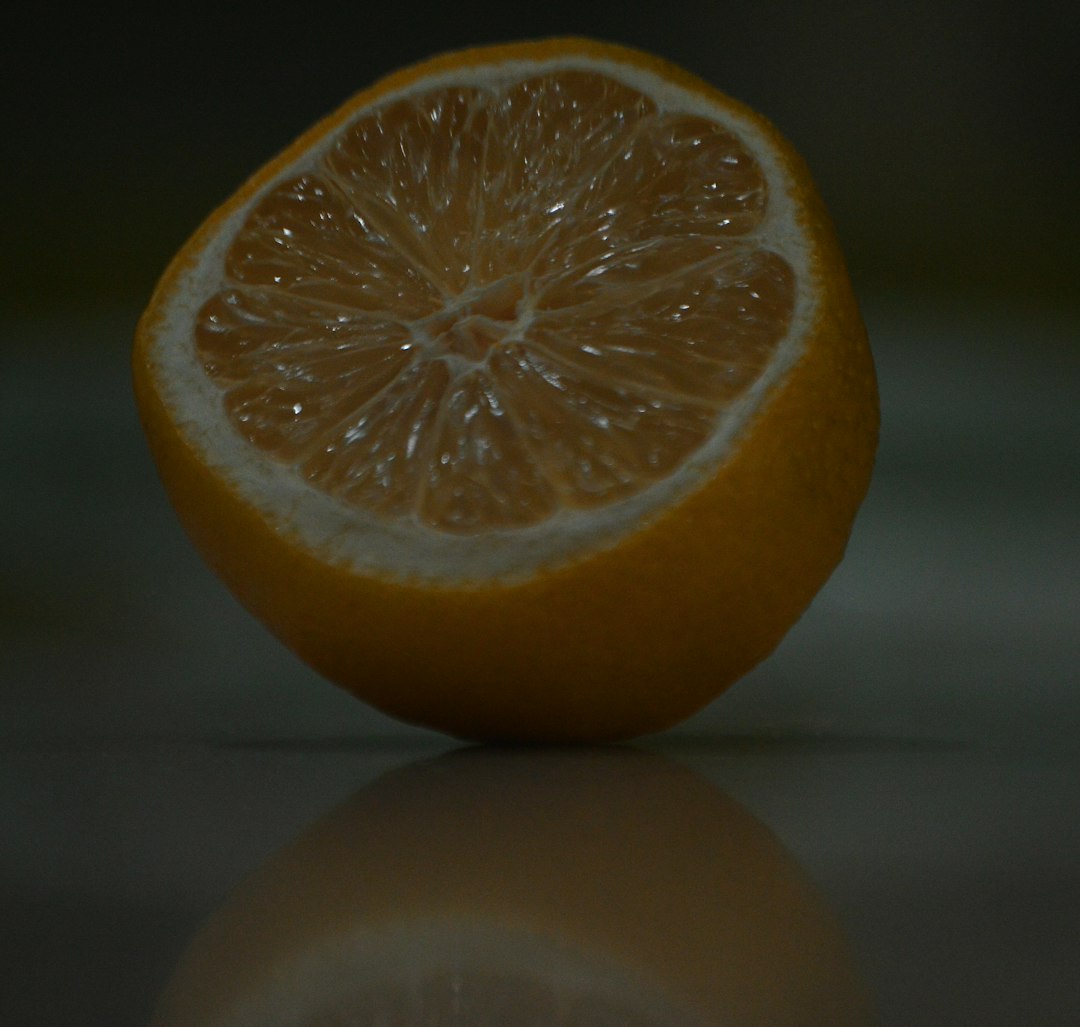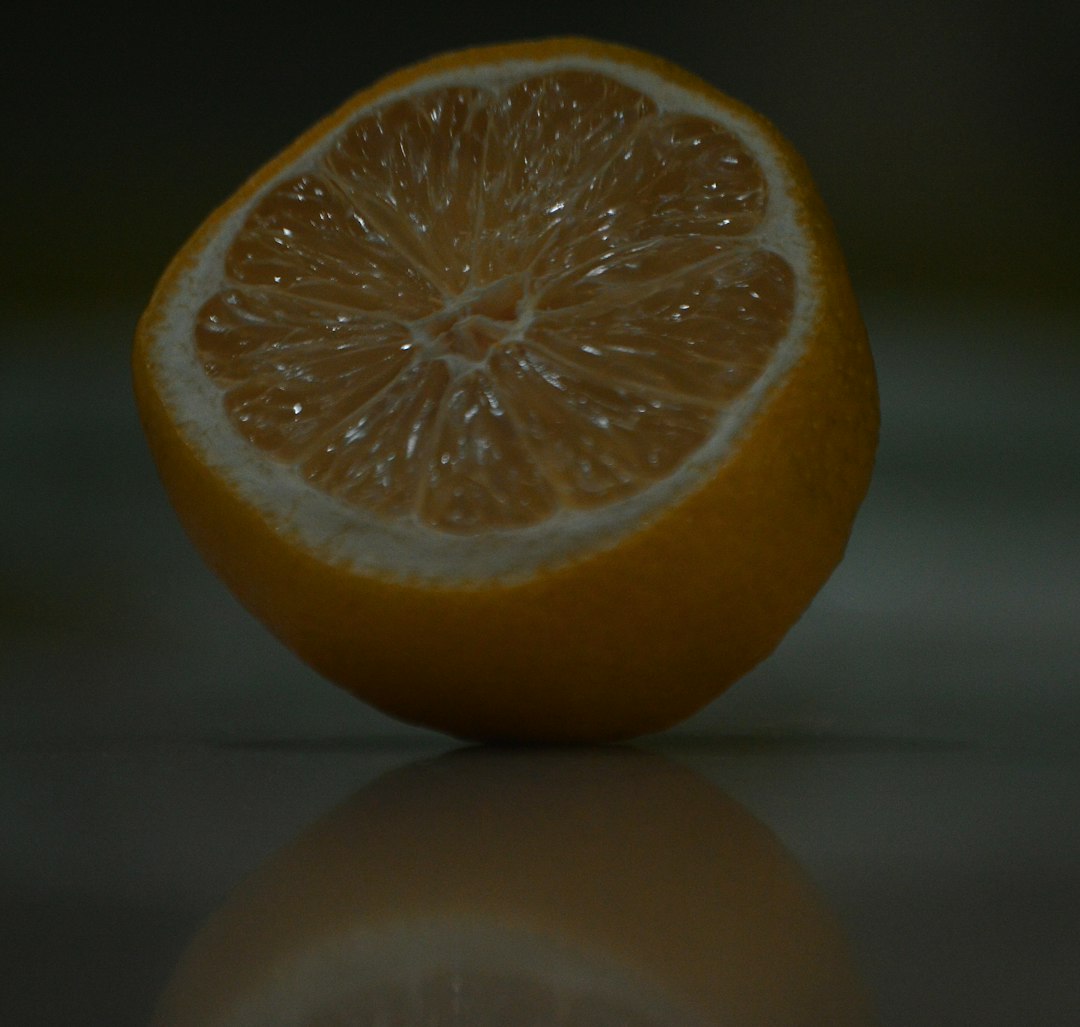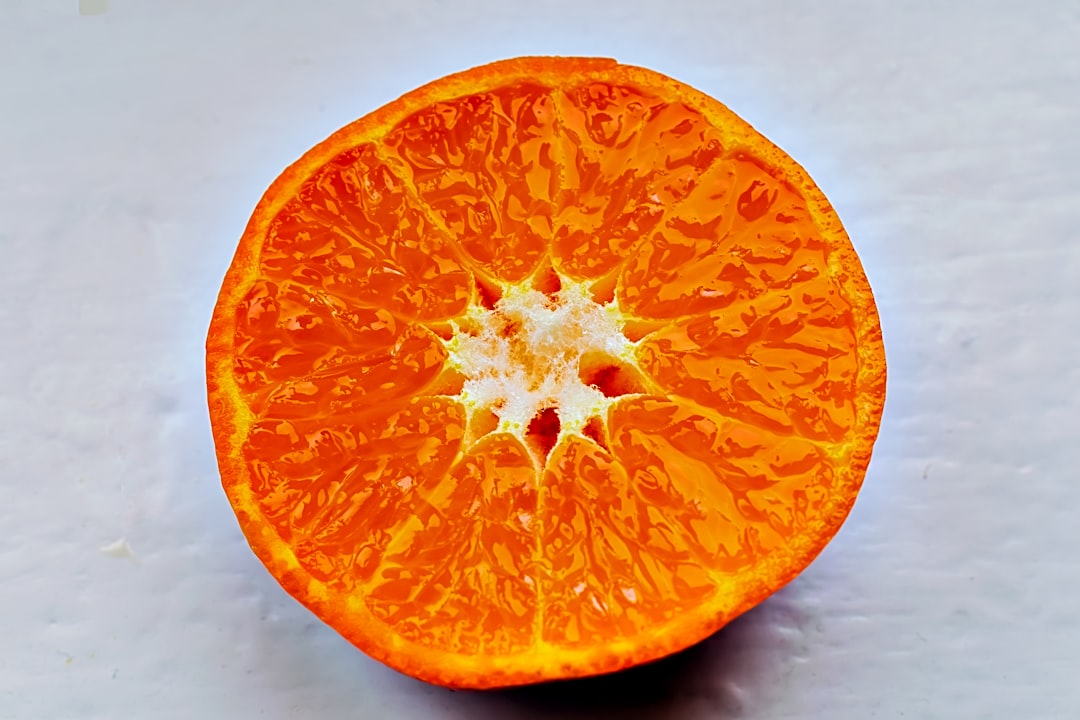
In the quest for a healthier home and garden, many are turning away from harsh chemical pesticides, seeking natural alternatives that are effective yet gentle on the environment. One surprisingly potent and readily available solution lies in something often discarded: citrus fruit peels. These vibrant rinds, packed with natural compounds, offer a remarkably effective and eco-friendly way to combat a variety of common household and garden pests. Far from being mere kitchen waste, orange, lemon, lime, and grapefruit peels contain powerful insecticidal properties that can help you maintain a pest-free space without resorting to synthetic toxins. This guide will explore the science behind citrus-based pest control, detail various preparation methods, and provide practical application tips, empowering you to harness nature’s own defense mechanisms.
The science behind citrus pest control
The effectiveness of citrus peels as an insecticide is rooted in their natural chemical composition. The primary active ingredient is d-limonene, a compound found predominantly in the peel’s oil glands. This powerful terpene is a natural solvent and insecticide that targets the nervous systems of many insects. When pests come into contact with d-limonene, it disrupts their neurological functions, leading to paralysis and eventual death. Beyond d-limonene, citrus peels also contain other insecticidal compounds such as linalool and pinene, which contribute to their repellent and toxic properties.
Different citrus varieties offer varying concentrations and types of these beneficial compounds. For instance, orange peels are particularly rich in d-limonene, making them a popular choice for pest control. Lemon peels, while also containing d-limonene, often have higher levels of citric acid, which can also act as a deterrent. The strong aromatic profile of citrus oils also plays a crucial role, acting as a natural repellent that masks the scents insects use to find food sources or mates. This dual action—repellence and direct toxicity—makes citrus peels a versatile tool in integrated pest management.
| Citrus Type | Key Active Compound | Primary Pest Targets |
|---|---|---|
| Orange | D-Limonene | Ants, Fleas, Aphids, Mosquitoes, Spiders |
| Lemon | D-Limonene, Citric Acid | Ants, Cockroaches, Aphids, Some Fungi |
| Grapefruit | D-Limonene, Nootkatone | Mosquitoes, Ticks, Termites |
| Lime | D-Limonene, Linalool | Aphids, Whiteflies, Gnats |
Preparing your citrus insecticide solutions
Transforming citrus peels into an effective insecticide is a straightforward process, offering several methods depending on your specific needs. The most common and versatile approach involves creating a liquid spray.
1. The citrus peel spray
This method is excellent for direct application on plants, surfaces, and pet bedding.
- Ingredients: Peels from 2-3 large citrus fruits (oranges, lemons, grapefruits), 2 cups of water, optional: 1 teaspoon of mild liquid dish soap (natural, biodegradable recommended).
- Preparation:
- Roughly chop the citrus peels and place them in a pot.
- Add water and bring to a boil.
- Reduce heat and simmer for 15-20 minutes. This process extracts the essential oils and d-limonene.
- Remove from heat and let the mixture cool completely, ideally steeping overnight to allow maximum extraction.
- Strain the liquid through a fine-mesh sieve or cheesecloth to remove the solid peel pieces.
- Pour the liquid into a spray bottle. If using, add the dish soap; it acts as an emulsifier, helping the oil and water mix, and improves the solution’s ability to stick to pests and plant surfaces.
- Storage: Store in the refrigerator for up to 1-2 weeks.
2. Citrus peel powder
Ideal for creating barriers or deterring crawling insects.
- Preparation:
- Thoroughly dry citrus peels. This can be done by air-drying them for several days, baking them on a low temperature (around 200°F or 90°C) until brittle, or using a dehydrator. Ensure they are completely dry to prevent mold.
- Once dried, grind the peels into a fine powder using a coffee grinder, spice grinder, or blender.
- Storage: Store in an airtight container in a cool, dark place for several months.
3. Direct application of peels
A simple method for localized pest problems.
- Preparation: Simply place fresh or slightly dried citrus peels directly in areas where pests are a problem.
Application techniques and best practices
Once your citrus insecticide is prepared, knowing how and where to apply it is key to its success. Proper application ensures maximum effectiveness while minimizing any potential risks.
Using the citrus peel spray
- For plants: Spray directly onto affected plants, focusing on the undersides of leaves where pests like aphids and spider mites often hide. Apply in the early morning or late evening to avoid scorching leaves in direct sunlight. Test a small area of the plant first to ensure it doesn’t react negatively to the solution. Reapply every few days or after rain, as the solution can wash off.
- Around the home: Spray along window sills, door frames, baseboards, and other entry points to deter ants, spiders, and cockroaches. You can also lightly mist pet bedding to help repel fleas and ticks, but always ensure the pet doesn’t ingest it excessively.
Applying citrus peel powder
- Creating barriers: Sprinkle the powder around the base of plants, along ant trails, or near cracks and crevices where pests enter. The strong scent and contact irritant properties will deter many crawling insects.
- In pantries: Place small sachets of dried citrus powder in pantries or cupboards to deter pantry moths and other stored product pests.
Direct use of peels
- Place fresh peels near ant hills, in fruit bowls to deter fruit flies, or rub them on surfaces like countertops to leave a repellent scent. Remember to replace fresh peels every few days as they lose potency and can mold.
Always remember that natural insecticides, while safer, often require more frequent application than their chemical counterparts. Consistency is vital for maintaining pest control. Observe pest activity and adjust your application schedule accordingly.
Advantages and limitations of citrus-based pesticides
Embracing citrus peels as a pest control method comes with a host of benefits, particularly for those prioritizing eco-conscious living. However, it’s also important to understand its limitations to set realistic expectations.
Advantages
- Eco-friendly and non-toxic: Unlike synthetic pesticides, citrus solutions are biodegradable and pose minimal risk to humans, pets, and beneficial insects when used correctly. This makes them ideal for homes with children or pets and for organic gardening.
- Cost-effective and waste reduction: It repurposes a common kitchen waste product, turning something that would otherwise be discarded into a valuable resource, saving money on commercial pest control products.
- Pleasant aroma: For most people, the scent of citrus is refreshing and clean, a stark contrast to the harsh chemical odors associated with traditional pesticides.
- Repellent and insecticide: Citrus compounds not only kill certain pests on contact but also deter others from entering an area, offering a dual-action approach.
Limitations
- Variable potency: The concentration of active compounds can vary between different citrus fruits and preparation methods, leading to inconsistent results. It may not be as immediately potent or fast-acting as chemical alternatives.
- Requires reapplication: Citrus-based solutions are not persistent and break down relatively quickly, especially outdoors. This means more frequent reapplication is necessary to maintain effectiveness.
- Limited spectrum: While effective against many common household and garden pests (like ants, aphids, fleas, mosquitoes, and some spiders), citrus may not be effective against all types of insects or severe infestations.
- Potential for phytotoxicity: Although generally safe for plants, highly concentrated solutions or application in direct sunlight can sometimes cause phytotoxicity (plant damage) on sensitive plants. Always patch test first.
While citrus-based pesticides offer a sustainable and accessible option, they are best utilized as part of an integrated pest management strategy, often alongside other natural deterrents and good sanitation practices. They are an excellent starting point for mild to moderate pest problems or as a preventative measure.
Harnessing the power of citrus fruit peels as an insecticide is a testament to nature’s ingenious solutions for common problems. We’ve explored how the active compounds like d-limonene disrupt pest nervous systems, offering both repellent and insecticidal action against a range of unwanted guests from ants and aphids to fleas and mosquitoes. From simple liquid sprays brewed on the stovetop to finely ground powders for barriers, various preparation methods allow for versatile application around your home and garden. Practical tips, such as patch testing on plants and consistent reapplication, underscore the importance of mindful usage for optimal results. While offering significant advantages in terms of eco-friendliness, cost-effectiveness, and safety for families and pets, it’s also crucial to acknowledge their limitations, recognizing that natural solutions often require patience and persistence. Ultimately, utilizing citrus peels provides a sustainable, accessible, and aromatic approach to pest control, empowering you to maintain a healthier, pest-free environment with ingredients straight from your kitchen.
Image by: Samantha Gilmore