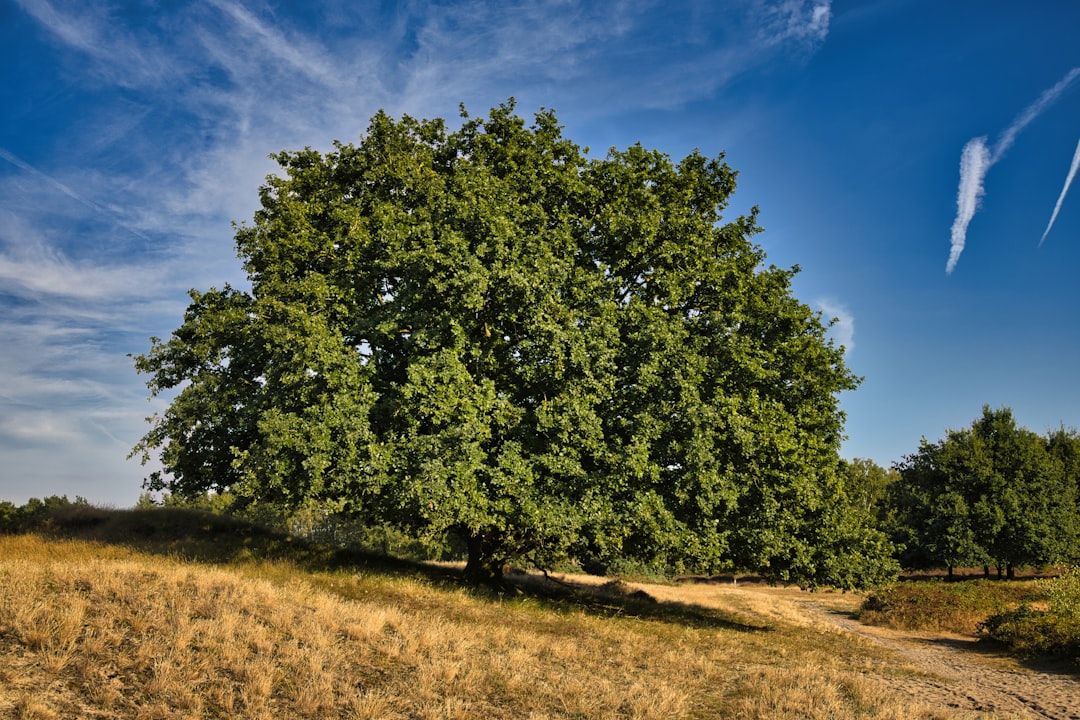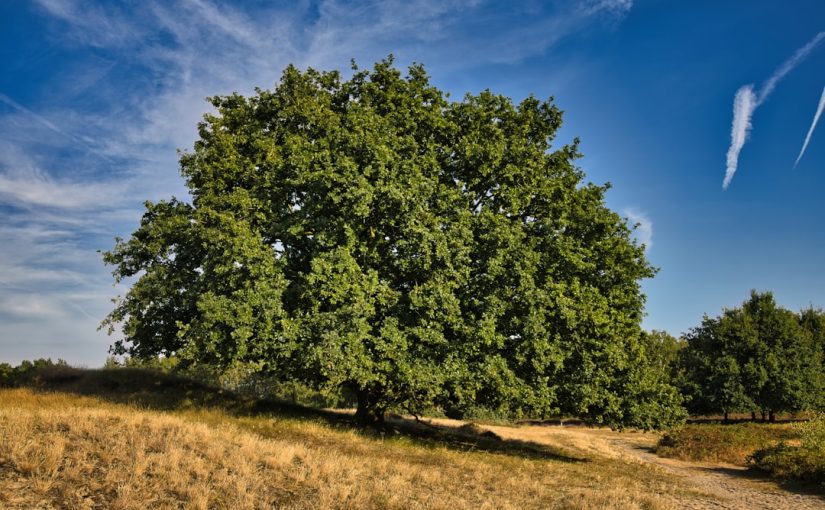
When considering adding structures to majestic oak trees, whether for a charming treehouse, a sturdy deck, or even just hanging a bird feeder, the choice of fastener becomes a critical concern. Many homeowners and builders gravitate towards common galvanized or zinc-plated screws due due to their widespread availability and perceived corrosion resistance. However, a frequently asked and valid question arises: Do zinc screws hurt oak trees? This seemingly simple query uncovers a complex interplay between tree biology, metal chemistry, and long-term arboricultural health. Understanding the potential implications of introducing metallic elements like zinc into a living organism is paramount for ensuring the longevity and vitality of your cherished oak.
Tree physiology and how trees react to injury
To truly understand the impact of any foreign object, including a zinc screw, on an oak tree, one must first grasp the fundamental principles of tree biology and their remarkable defense mechanisms. Trees do not heal in the way humans or animals do; instead, they employ a process known as compartmentalization of decay in trees, or CODIT. When a tree is wounded, whether by a storm, an animal, or the insertion of a screw, it responds by creating physical and chemical barriers to wall off the injured tissue and prevent the spread of decay and pathogens.
The living layers of a tree, particularly the cambium (which produces new wood and bark) and the phloem (transports sugars), are incredibly sensitive. When a screw penetrates these layers and the underlying xylem (transports water and nutrients), the tree immediately begins to form callus tissue around the wound. Over time, the tree grows around the embedded object, encapsulating it within new wood. While this process effectively isolates the foreign material, it also means that the tree has to expend energy and resources to respond to the injury. Repeated or poorly placed injuries can cumulatively stress the tree and compromise its structural integrity and overall health.
The characteristics of zinc and its interaction with wood
Zinc is a common coating for steel screws, typically applied through galvanization, to provide corrosion resistance. It acts as a sacrificial layer, corroding before the underlying steel. However, when zinc screws are embedded in living wood, particularly in the presence of moisture (sap), the interaction becomes more intricate than simple atmospheric corrosion. Wood, especially fresh sapwood, contains moisture, acids, and various organic compounds that can accelerate the electrochemical reactions responsible for corrosion.
Over time, the zinc coating on the screw will begin to degrade, releasing zinc ions into the surrounding wood. This process is influenced by several factors, including the acidity of the tree’s sap, the amount of moisture present, and even the type of zinc coating (e.g., hot-dipped galvanized coatings are generally thicker and more durable than electro-galvanized coatings). As these zinc ions leach into the tree’s tissues, they become available for uptake by the tree’s vascular system, raising concerns about potential toxicity.
Potential effects of zinc on oak tree health
Zinc is an essential micronutrient for plants, including oak trees, playing a vital role in enzyme function, protein synthesis, and growth regulation. However, like many essential nutrients, there is a narrow window between beneficial and detrimental concentrations. When zinc is present in excessive amounts, it becomes a heavy metal contaminant and can lead to toxicity issues. The impact on an oak tree largely depends on the quantity of zinc leached, the tree’s size, its overall health, and its ability to dilute and sequester the excess ions.
Symptoms of zinc toxicity in plants can include chlorosis (yellowing of leaves), stunted growth, impaired root development, and reduced nutrient uptake, particularly of iron. While a single zinc screw might not introduce enough zinc to severely harm a large, healthy oak, multiple screws, or screws placed in a smaller, stressed tree, could potentially contribute to localized tissue damage or broader physiological stress. The continuous, albeit slow, leaching of zinc over decades could accumulate in the immediate vicinity of the screw, potentially creating a “toxic zone” within the tree’s wood.
To illustrate the varying impact of different fastener materials, consider the following:
| Fastener Material | Corrosion Resistance | Potential Tree Impact | Recommendation for Trees |
|---|---|---|---|
| Zinc-plated steel | Low to moderate | Zinc leaching, potential localized toxicity | Generally not recommended |
| Hot-dipped galvanized steel | Moderate to high | Slower zinc leaching, still a concern over long-term | Use with caution, monitor |
| Stainless steel (304/316) | High | Minimal leaching of inert metals | Highly recommended |
| Aluminum | High | Minimal leaching, very low toxicity | Good alternative for some applications |
Best practices for attaching hardware to trees
Given the potential for zinc screws to cause long-term issues, arborists and treehouse builders generally recommend alternative fastening methods. The primary goal should always be to minimize stress and damage to the tree while ensuring the structural integrity of the attached element. For any permanent or semi-permanent structure, specialized fasteners designed for trees are the preferred choice.
Treehouse attachment bolts (TABs) are specifically engineered to allow for tree growth and movement, significantly reducing the impact on the tree. These often feature sleeves that protect the living tissues from direct contact with the metal and allow the tree to grow around the sleeve without girdling. When TABs are not feasible, high-quality stainless steel screws or bolts (specifically grades 304 or 316) are the next best option. Stainless steel is far less reactive than zinc-coated steel, meaning it leaches significantly fewer metallic ions into the tree’s system, thereby reducing the risk of toxicity.
Proper installation techniques are equally important. Avoid girdling (wrapping anything tightly around the trunk or branch that could constrict growth). Allow for future growth by ensuring there’s space for the tree to expand around the attachment point. Regularly inspect the attachment for signs of stress, decay, or structural issues. Ultimately, the best practice is to always consult with a certified arborist before attaching any significant structure to a living tree, as they can provide expert advice tailored to your specific tree species and situation.
Conclusion
The question of whether zinc screws hurt oak trees elicits a nuanced answer: while a single screw is unlikely to cause immediate, catastrophic damage to a large, healthy oak, the long-term, cumulative effects of zinc leaching can pose a risk. Trees, through their incredible compartmentalization process, attempt to wall off foreign objects, but this effort consumes energy. Zinc, an essential micronutrient in small doses, becomes toxic in higher concentrations, potentially impairing the tree’s physiological functions over time. Factors such as the number of screws, the size and health of the tree, and the specific type of zinc coating all influence the degree of impact.
Ultimately, for the longevity and health of your magnificent oak, it is advisable to avoid zinc-plated or hot-dipped galvanized screws for direct, long-term attachment. The best practice involves opting for specialized treehouse attachment bolts (TABs) or high-grade stainless steel fasteners (304 or 316), which are significantly less reactive and pose minimal risk of heavy metal toxicity. Always prioritize the tree’s health by employing proper installation techniques that accommodate growth and by consulting with a certified arborist. Ensuring the well-being of the tree today guarantees its beauty and strength for generations to come.
Image by: Wolfgang Vrede