The intricate world of turf and garden management often brings unique challenges, one of which involves understanding the diverse root systems beneath our feet. Among these, certain grass-like plants exhibit a fascinating adaptation: bulbous roots. These specialized structures are not merely for anchorage but serve as vital storage units for nutrients and water, allowing these species to endure harsh conditions, resist eradication, and often thrive where other plants falter. This article delves into the specific characteristics of grasses and grass-like plants that possess these distinctive underground bulbs, exploring their identification, growth patterns, and the significant implications they hold for anyone aiming to cultivate a pristine lawn or manage natural landscapes effectively. We will uncover the secrets behind their remarkable persistence and offer insights into their ecological roles.
Understanding bulb-like root systems in grasses and grass-like plants
While true grasses (members of the Poaceae family) typically feature fibrous root systems, the term “grass types with bulb roots” often refers to a broader category of monocotyledonous plants that mimic grass in appearance but possess distinct underground storage organs. These structures are not always true bulbs, like those of an onion or tulip, but can include corms, rhizomes with swollen bases, or, most commonly in this context, tubers or “nutlets.” These adaptations are crucial for the plant’s survival, enabling them to store energy reserves, water, and nutrients, thereby facilitating dormancy, rapid regrowth after disturbance, and impressive drought tolerance.
The development of these storage organs provides a significant evolutionary advantage. They act as survival kits, allowing the plant to persist through unfavorable conditions such as winter frosts, prolonged dry spells, or even aggressive attempts at removal. When the above-ground foliage is damaged or dies back, the stored energy within these bulbs or tubers fuels new growth, often leading to a resilient and persistent presence in lawns, gardens, and agricultural fields. Understanding the exact nature of these underground structures is the first step in effective identification and management.
Common grass-like plants featuring bulbous structures
Several species are frequently encountered that fit the description of “grass types with bulb roots,” though many are technically sedges or members of the lily family rather than true grasses. Their grass-like appearance often leads to confusion, making accurate identification crucial.
- Yellow Nutsedge (Cyperus esculentus) and Purple Nutsedge (Cyperus rotundus): These are perhaps the most prominent examples. Technically sedges, not grasses, they are easily mistaken due to their linear leaves. Nutsedge is characterized by its triangular stems (unlike the round or flat stems of true grasses) and, most notably, its chains of small, hard, brown tubers or “nutlets” beneath the soil. These tubers are the primary means of propagation and survival, allowing the plant to regenerate vigorously even after the visible plant is pulled.
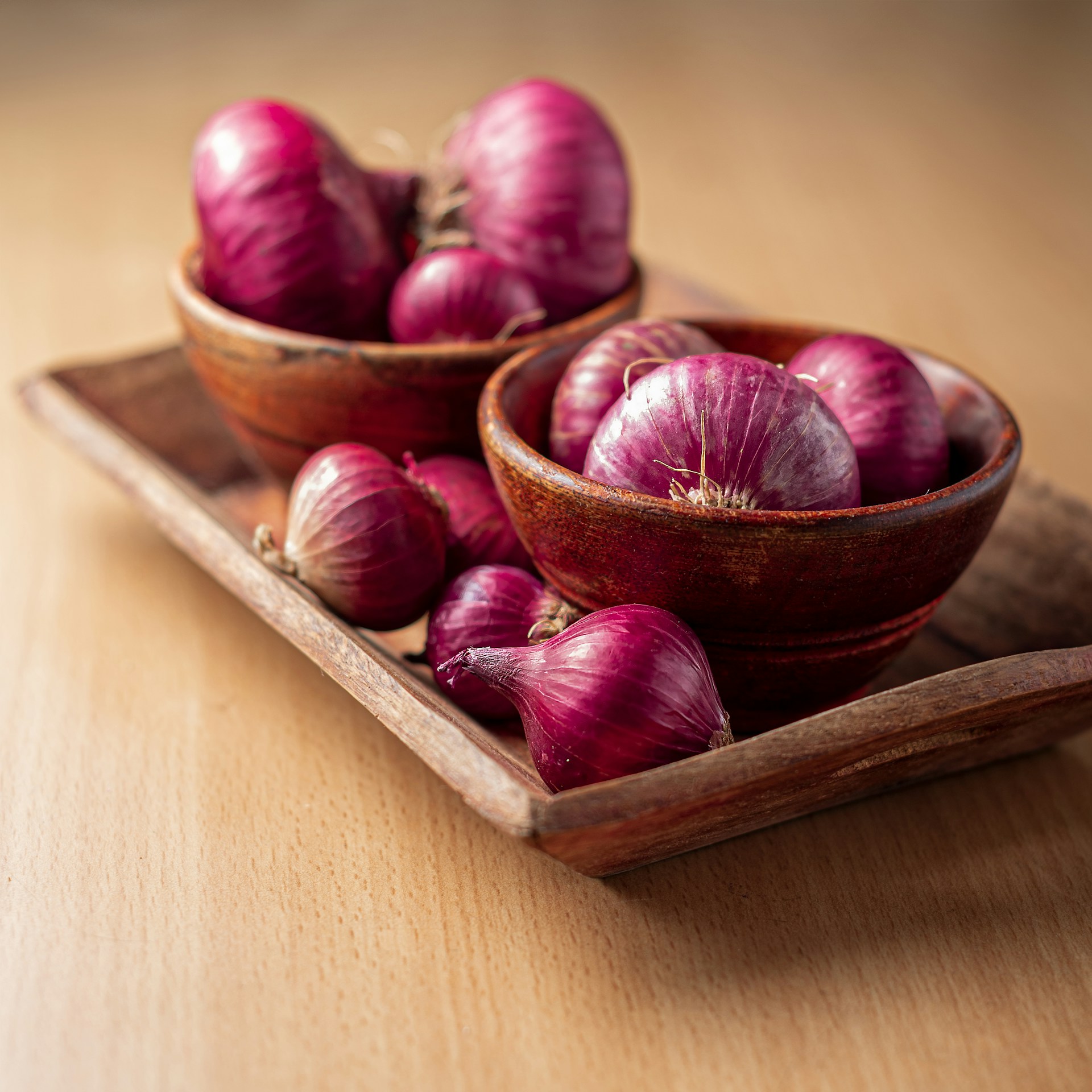
- Wild garlic (Allium vineale) and Wild onion (Allium canadense): These are true bulb-forming plants, closely related to culinary garlic and onions. They produce small, white, papery bulbs that give off a distinct odor when crushed. They grow in clumps and can be highly invasive in lawns, appearing prominently in cooler months. Their deep-seated bulbs make complete removal challenging.
- Some Fescues (Festuca spp.): While not truly bulbous, some fescue varieties, particularly those with strong rhizomatous growth, can develop slightly thickened underground stems that store reserves, giving a superficial resemblance to bulb-like structures, though not to the same extent as nutsedge or wild garlic.
Identifying these specific species by their underground structures is key, as their management strategies differ significantly from those for common fibrous-rooted grasses.
Identifying and managing persistent bulbous invaders
Accurate identification is the cornerstone of effective management for these resilient plants. A key differentiator for nutsedge from true grasses is its triangular stem, which can be felt by rolling the stem between your fingers. Wild garlic and wild onion are easily identified by their strong, characteristic odor when leaves or bulbs are crushed. For all these species, digging them up often reveals their distinctive underground structures.
Management strategies must account for the plant’s ability to regenerate from these bulbs or tubers:
- Mechanical Control: For wild garlic and onion, persistent hand-weeding, ensuring the entire bulb is removed, can be effective in small infestations. For nutsedges, simple hand-pulling is often counterproductive; leaving behind even tiny tubers allows for rapid regrowth, often resulting in an even denser stand. Repeated tilling can fragment tubers, potentially increasing the problem unless done exhaustively and consistently to exhaust the energy reserves.
- Cultural Practices: Maintaining a dense, healthy lawn with proper fertilization, mowing height, and watering can help desired turfgrass outcompete these invaders. This makes it harder for their seedlings or new shoots from tubers to establish.
- Chemical Control: This is often the most effective method for widespread infestations. Specialized herbicides are available for nutsedge (sedge-specific herbicides containing active ingredients like halosulfuron or sulfentrazone) that target these plants without harming most turfgrasses. For wild garlic and onion, broadleaf herbicides can be effective, particularly when applied in fall or early spring when the plants are actively growing and translocating nutrients to their bulbs. Multiple applications over several seasons may be necessary to fully deplete the stored energy in the bulbs and prevent recurrence.
Understanding the life cycle and regeneration mechanisms is paramount; a superficial approach will rarely provide a long-term solution.
Ecological significance and landscape implications
While often viewed as persistent weeds in manicured lawns, grasses and grass-like plants with bulbous roots hold a unique place in various ecosystems. Ecologically, these plants contribute to soil stabilization, particularly in areas prone to erosion, thanks to their robust underground networks. The tubers and bulbs can also serve as a food source for wildlife, from small rodents to larger animals, especially in naturalized settings. Their ability to thrive in disturbed or challenging environments means they can be pioneers in ecological succession, helping to establish vegetation where other species struggle.
However, the landscape implications in cultivated areas are largely problematic. Their aggressive spreading habits and ability to outcompete desirable turfgrasses and garden plants can significantly detract from aesthetic appeal and plant health. The rapid proliferation of nutsedges, for instance, can quickly dominate a lawn, creating unsightly patches and reducing biodiversity in a garden bed. For homeowners and landscape professionals, managing these species requires a strategic, long-term approach that balances control with environmental stewardship. Choosing the right management technique based on accurate identification is essential to maintaining the desired balance in any landscape.
Below is a table summarizing some common characteristics and challenges posed by these plants:
| Plant Type | Key Root Structure | Growth Habit | Primary Challenge |
|---|---|---|---|
| Yellow Nutsedge | Single “nutlet” tubers | Spreading via rhizomes and tubers | High regenerative capacity, rapid spread |
| Purple Nutsedge | Chains of connected tubers | Very aggressive spreading | Extremely difficult to eradicate, deeper tubers |
| Wild Garlic | True bulbs, often with bulblets | Clumping, dense patches | Pungent odor, persistent bulbs, deep-seated |
The presence of bulbous root systems in certain grass-like plants represents a remarkable evolutionary adaptation, enabling them to survive and thrive in a wide array of environments. From the tenacious tubers of nutsedge to the distinct bulbs of wild garlic, these underground storage organs are the key to their resilience and, often, their frustrating persistence in our landscapes. We have explored how these structures provide critical advantages, discussed the common types encountered, and outlined effective strategies for their identification and management. Ultimately, understanding these unique plants is vital for anyone engaged in landscaping or gardening. By recognizing their distinct characteristics and employing targeted approaches, we can better manage their presence, appreciate their ecological roles, and maintain the health and beauty of our cultivated spaces. The battle against these invaders is a testament to nature’s ingenuity and requires our informed and persistent effort.
Image by: Maddy Weiss