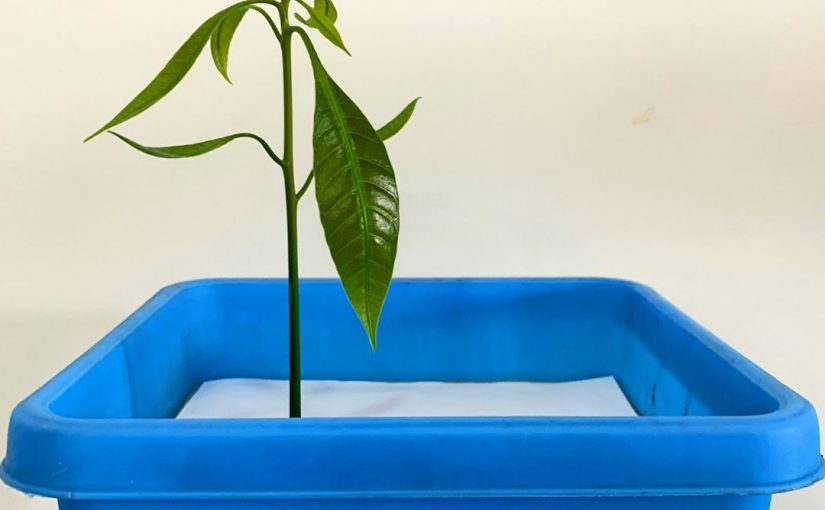
The journey from a dormant seed to a thriving plant is a miraculous process, heavily reliant on a delicate balance of environmental factors. Among these, water plays an indisputably central role, not merely as a medium for hydration but as a critical determinant of initial growth success. However, it’s not just the presence of water that matters; its chemical composition, particularly its pH level, holds profound implications for a seed’s ability to germinate. For avid gardeners and agricultural enthusiasts alike, understanding how varying pH levels in water can influence the germination of common seeds, such as beans, is crucial. This article will delve into the intricate relationship between water pH and bean germination, exploring the mechanisms through which acidity or alkalinity can either foster or hinder this fundamental biological process.
Understanding pH and its significance in plant biology
Before exploring its specific effects on bean germination, it’s essential to grasp what pH represents and why it’s so vital for plant life. pH is a scale ranging from 0 to 14, indicating the acidity or alkalinity of a substance. A pH of 7 is considered neutral, while values below 7 are acidic, and values above 7 are alkaline or basic. This seemingly simple metric has far-reaching consequences in biological systems because it directly influences the availability of nutrients and the activity of enzymes.
In the context of plant biology, the pH of the surrounding environment – be it water or soil – dictates how readily essential mineral nutrients are dissolved and made available for absorption. For instance, in highly acidic conditions, certain micronutrients like iron and manganese can become excessively soluble, leading to toxicity. Conversely, in highly alkaline conditions, critical nutrients such as iron, phosphorus, and zinc can become insoluble, effectively locking them away from plant roots. Furthermore, pH affects the structural integrity and functionality of enzymes, which are biological catalysts vital for nearly all metabolic processes, including those that initiate and sustain germination.
The germination process and water’s pivotal role
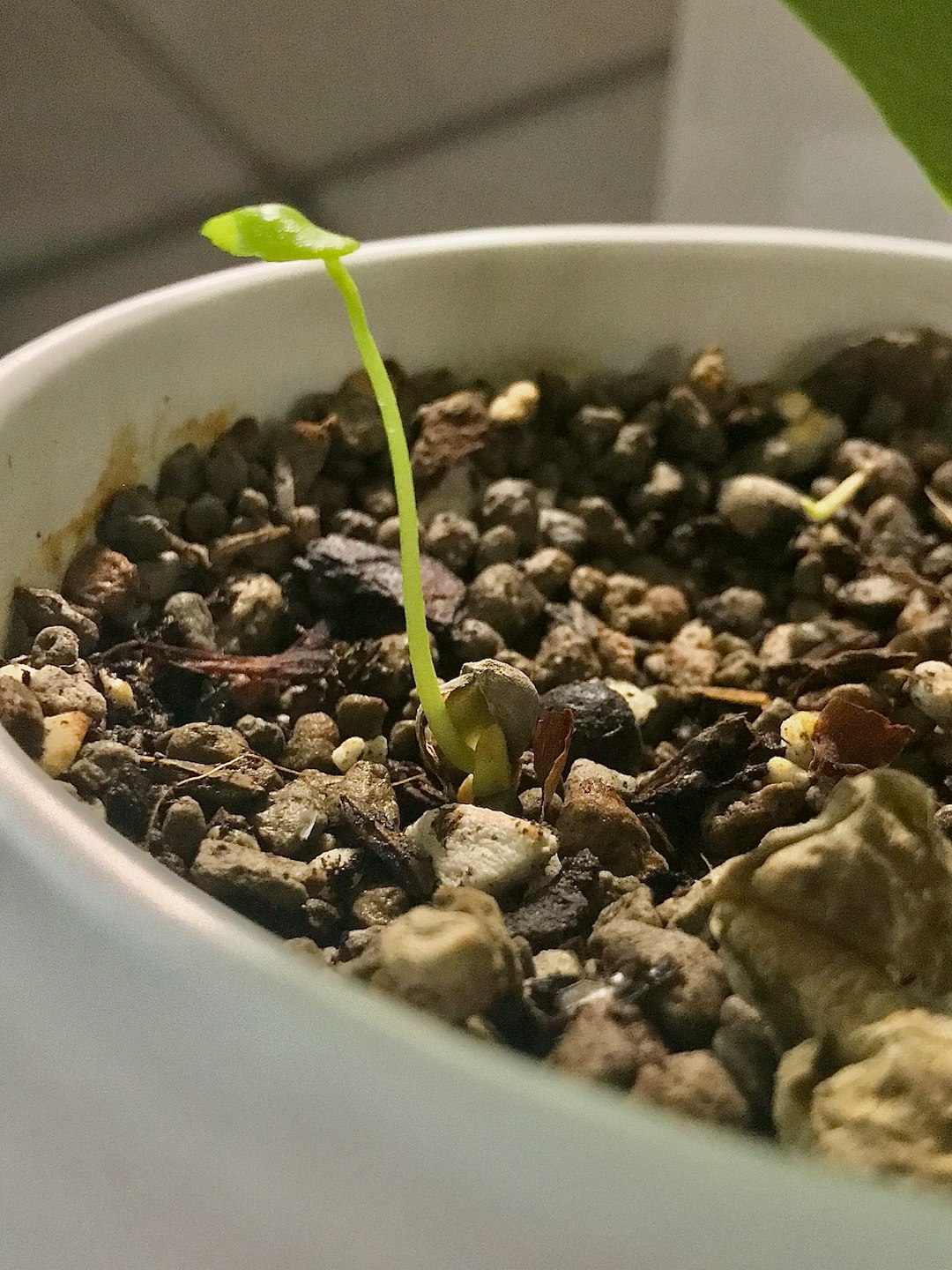
Bean germination is a complex, multi-stage process initiated by the imbibition of water. Imbibition is the physical absorption of water by the dry seed, causing it to swell and soften the seed coat. This swelling is crucial as it breaks dormancy and allows oxygen to penetrate the seed. Once imbibed, water activates various metabolic pathways within the seed, signaling the enzymes to begin breaking down stored food reserves (like starches and proteins) into usable sugars and amino acids. These readily available energy sources fuel cellular respiration and division, ultimately leading to the emergence of the radicle (embryonic root) and plumule (embryonic shoot).
The quality of water, particularly its pH, directly impacts the efficiency of this entire sequence. Water that is too acidic or too alkaline can impede imbibition itself, preventing the seed from absorbing sufficient moisture to kickstart metabolic activities. Moreover, the activated enzymes within the bean seed, such as amylases and proteases, are highly sensitive to pH fluctuations. Each enzyme has an optimal pH range at which it functions most effectively. Deviations from this range can denature the enzymes, rendering them inactive or significantly reducing their efficiency, thereby stalling the breakdown of food reserves and hindering the entire germination process. Thus, while water is the primary trigger for germination, its pH acts as a crucial regulator, determining the success or failure of a bean seed’s emergence.
Specific effects of acidic and alkaline pH on bean seeds
The viability and vigor of bean germination are highly sensitive to the pH levels of the water they imbibe. Both excessively acidic and alkaline conditions can pose significant challenges, each through distinct mechanisms.
Acidic pH (typically below 6.0)
- Nutrient toxicity: In highly acidic water, certain micronutrients like aluminum and manganese become more soluble and available. While these are required in trace amounts, their increased concentration can become toxic to the delicate embryonic tissues, inhibiting cell division and root elongation.
- Nutrient deficiency: Conversely, vital nutrients such as calcium, magnesium, and phosphorus tend to become less available at very low pH levels, which can lead to deficiencies even if they are present in the medium. These elements are critical for structural development and energy transfer.
- Cell membrane damage: Extreme acidity can damage the cell membranes of the imbibing seed, impairing its ability to regulate water uptake and nutrient exchange, leading to reduced turgor pressure and potential cellular death.
- Enzyme inhibition: The optimal pH for many essential bean enzymes is typically near neutral. Acidic conditions can alter the tertiary structure of these enzymes, reducing or eliminating their catalytic activity and thus preventing the efficient breakdown of stored food reserves.
Alkaline pH (typically above 7.5)
- Nutrient lockout: In alkaline water, essential micronutrients like iron, zinc, and boron, along with macronutrients like phosphorus, can precipitate and become insoluble. This ‘locks out’ these nutrients, making them unavailable for the germinating bean, leading to symptoms of deficiency and poor growth.
- Osmotic stress: Very high pH can sometimes be associated with higher salt concentrations, which can create osmotic stress. This makes it harder for the seed to absorb water, effectively mimicking drought conditions and hindering imbibition.
- Reduced seed coat permeability: Some research suggests that highly alkaline conditions might affect the permeability of the seed coat, making it more difficult for water to penetrate and initiate the germination process.
- Enzyme dysfunction: Similar to acidic conditions, highly alkaline environments also push enzymes out of their optimal pH range, reducing their activity and severely impacting metabolic processes required for germination and initial seedling growth.
For most common bean varieties, the optimal pH range for germination and early growth is slightly acidic to neutral, typically falling between 6.0 and 7.0. Within this range, nutrient availability is maximized, and enzymatic activity is at its peak, creating the most conducive environment for successful emergence.
Experimental insights and practical considerations
To quantify the impact of pH on bean germination, controlled experiments are frequently conducted. Researchers typically soak bean seeds in water adjusted to various pH levels (e.g., 4.0, 5.0, 6.0, 7.0, 8.0, 9.0) and monitor germination rates, time to germination, and initial seedling growth metrics like radicle length. The data consistently demonstrates a bell-shaped curve, with peak germination and growth occurring within the species’ optimal pH range and declining sharply at the extremes.
Here is a hypothetical representation of how bean germination rates might be affected by varying pH levels:
| Water pH Level | Germination Rate (%) | Average Days to Radicle Emergence |
|---|---|---|
| 4.0 (strongly acidic) | 15% | 8 days (if at all) |
| 5.0 (moderately acidic) | 55% | 6 days |
| 6.0 (slightly acidic) | 90% | 3 days |
| 7.0 (neutral) | 88% | 3 days |
| 8.0 (slightly alkaline) | 60% | 5 days |
| 9.0 (moderately alkaline) | 20% | 7 days (if at all) |
These findings have significant practical implications for gardeners and commercial growers. Firstly, testing the pH of your water source is a crucial first step, especially if you’re experiencing poor germination or seedling vigor. Simple pH testing kits or digital meters are readily available. If your water’s pH falls outside the optimal range for beans (typically 6.0-7.0), adjustments may be necessary. For acidic water, adding small amounts of baking soda or agricultural lime can gradually raise the pH. For alkaline water, substances like vinegar, lemon juice, or specialized pH-down solutions can help lower it. However, it’s vital to make these adjustments gradually and retest to avoid overcorrection, as drastic changes can also be detrimental. Choosing bean varieties known to tolerate slightly wider pH ranges or those specifically adapted to your local conditions can also be a proactive strategy for ensuring successful germination and robust plant development.
In summary, the pH level of water plays a surprisingly profound role in the successful germination of bean seeds, acting as a gatekeeper for vital biological processes. We’ve explored how extreme acidic or alkaline conditions can severely impede imbibition, disrupt the essential activity of enzymes responsible for breaking down stored food reserves, and lead to nutrient toxicities or deficiencies. The sweet spot for most bean varieties typically lies within a slightly acidic to neutral range, usually between pH 6.0 and 7.0, where nutrient availability is optimized and enzymatic functions proceed unimpeded. Therefore, for anyone aiming to maximize their gardening success or agricultural yields, understanding and, if necessary, adjusting the pH of their irrigation water is not just a beneficial practice but a fundamental requirement. By actively monitoring and managing this critical environmental factor, cultivators can significantly enhance germination rates, promote healthier seedling development, and ultimately pave the way for a more bountiful harvest.
Image by: Jacob Antony