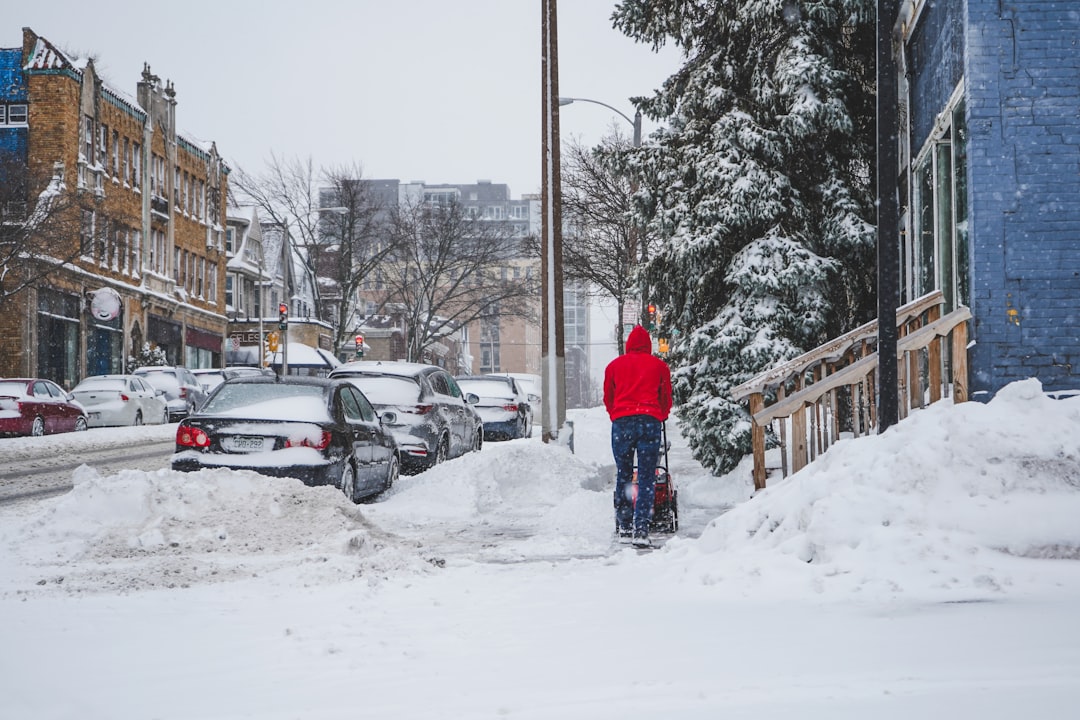
A Toro snowblower is an indispensable tool for battling winter’s heaviest snowfalls, providing reliable performance when you need it most. However, like any hardworking machinery, these powerful devices can encounter issues that impact their efficiency. From stubborn starting problems to augers that refuse to turn, diagnosing and repairing common faults can seem daunting. This guide is designed to equip you with the knowledge and confidence to tackle typical Toro snowblower repairs yourself, saving you time and money. We’ll delve into practical troubleshooting steps, address frequent mechanical and engine problems, and provide insights into preventative maintenance, ensuring your snowblower is always ready for the next blizzard.
Essential troubleshooting steps
Before grabbing your toolbox and diving into complex repairs, a systematic approach to troubleshooting can often pinpoint the problem quickly. Many common issues with Toro snowblowers stem from basic oversights or simple fixes. Start by ensuring the fuel tank is filled with fresh, appropriate fuel, as stale gasoline can cause starting difficulties. Check the oil level, as low oil can prevent some engines from starting. Next, inspect the spark plug; a fouled or damaged spark plug is a frequent culprit for misfires or no-start conditions. Remove it, clean it if necessary, and check the gap, replacing it if it looks worn or cracked.
Another crucial check involves the auger and impeller. Accumulated snow, ice, or debris can jam these components, preventing them from turning or even causing the engine to stall. Always ensure the engine is off and the spark plug wire is disconnected before inspecting these areas. Look for any obstructions and carefully clear them. Lastly, examine the shear pins. These small pins are designed to break under excessive strain to protect the gearbox and engine from damage if the auger hits a solid object. If your auger isn’t spinning, a broken shear pin is a very likely cause. Replacing them is usually a straightforward process.
Common engine problems and solutions
The engine is the heart of your Toro snowblower, and many operational issues can be traced back to it. One of the most frequent problems is a carburetor issue, often caused by old fuel leaving deposits or water getting into the system. If the engine cranks but won’t start, or runs rough, the carburetor might be clogged. You can try using a fuel stabilizer to clean the fuel system or, for more severe clogs, disassembling and cleaning the carburetor jets and bowl. Ensure fuel lines are not cracked or blocked, and the fuel filter (if present) is clean. A fuel shut-off valve that is closed will also prevent fuel flow, so verify it’s open.
Starter problems are also common. If your electric starter isn’t engaging, check the power cord for damage and ensure the outlet is functional. For pull starters, inspect the rope for fraying and the recoil mechanism for proper tension and retraction. Sometimes, a lack of spark is the issue, even with a clean spark plug. This could indicate a problem with the ignition coil or the magneto. Testing for spark requires a spark tester, which is a relatively inexpensive tool. If there’s no spark, replacing the ignition coil is often the next step. Ensure all safety switches are correctly engaged, as these can prevent the engine from starting.
Here’s a quick reference for common engine issues:
| Problem Symptom | Possible Cause | Common Solution |
|---|---|---|
| Engine won’t start | No fuel, stale fuel, clogged carburetor, no spark, flooded engine | Check fuel, clean carburetor, replace spark plug/ignition coil, dry cylinder |
| Engine runs rough/stalls | Clogged carburetor, dirty air filter, incorrect spark plug gap | Clean carburetor, replace air filter, adjust spark plug gap |
| Excessive smoke | Overfilled oil, incorrect oil type, worn piston rings | Check oil level, use proper oil, professional repair for worn rings |
Drive system and auger mechanism repairs
Once the engine is running smoothly, attention shifts to the components responsible for moving the snow. The drive system and auger mechanism are crucial for your snowblower’s primary function. If your snowblower moves sluggishly or not at all, the drive belt could be worn or broken. These belts connect the engine to the drive wheels and the auger. Replacing a belt typically involves removing protective covers, noting the routing of the old belt, and installing a new one with correct tension. Refer to your Toro owner’s manual for specific belt diagrams and tensioning procedures.
As mentioned earlier, shear pins are sacrificial components that protect the auger gearbox. If the auger is not turning but the engine is running, always check these first. They are usually small bolts with a nut that secure the auger to its shaft. If one or more are broken, simply remove the remnants and install new, manufacturer-recommended shear pins. Do not use regular bolts, as they won’t shear as intended and could cause more severe damage. Additionally, check the auger engagement lever and its cable. If the cable is stretched or frayed, it might not be fully engaging the auger clutch, preventing it from spinning. Adjusting cable tension or replacing the cable can resolve this.
Maintenance for longevity and preventing future issues
Preventative maintenance is key to extending the life of your Toro snowblower and minimizing unexpected breakdowns. After each use, especially before storing it, clear any remaining snow and ice from the auger housing and chute. This prevents rust and freezing. Before seasonal storage, it’s critical to prepare the fuel system. Either run the engine until it’s out of fuel or add a fuel stabilizer to a full tank and run the engine for a few minutes to circulate it. This prevents fuel from degrading and clogging the carburetor.
Regularly check and change the engine oil according to your owner’s manual recommendations, typically after the first few hours of use and then annually. A fresh spark plug at the start of each season ensures optimal ignition. Inspect all belts for wear, cracks, or fraying, and replace them proactively if they show signs of damage. Lubricate moving parts, such as the chute rotation mechanism, wheel axles, and any exposed cables, to ensure smooth operation. Checking tire pressure and keeping the scraper blade and skids in good condition also contributes significantly to efficient and safe operation throughout the winter months.
Repairing your Toro snowblower doesn’t have to be an intimidating task. By following a logical troubleshooting process and understanding the common failure points, many issues can be resolved with basic tools and a little patience. We’ve covered everything from fundamental engine diagnostics like checking fuel and spark to addressing mechanical problems with the drive system and augers. Crucially, we emphasized the importance of shear pins and proper belt maintenance, which are often overlooked yet vital for performance. Beyond immediate fixes, consistent preventative maintenance, including fuel stabilization, oil changes, and regular inspections, is your best defense against future breakdowns. Empower yourself with this knowledge, and you’ll keep your Toro snowblower running reliably, ensuring you’re always prepared to clear snow efficiently and safely throughout the harshest winter conditions.