A weedeater, also known as a string trimmer or weed whacker, is an indispensable tool for maintaining a pristine yard. However, like all power equipment, it occasionally requires maintenance, repair, or even part replacement. Disassembling a weedeater might seem like a daunting task, but with the right approach and a clear understanding of its components, it’s a manageable process. Whether you’re troubleshooting an engine issue, replacing a worn-out cutting head, or simply performing a thorough cleaning, knowing how to safely and systematically take your weedeater apart can save you time and money. This guide will walk you through the essential steps, ensuring you approach the task with confidence and competence.
Safety first and tool preparation
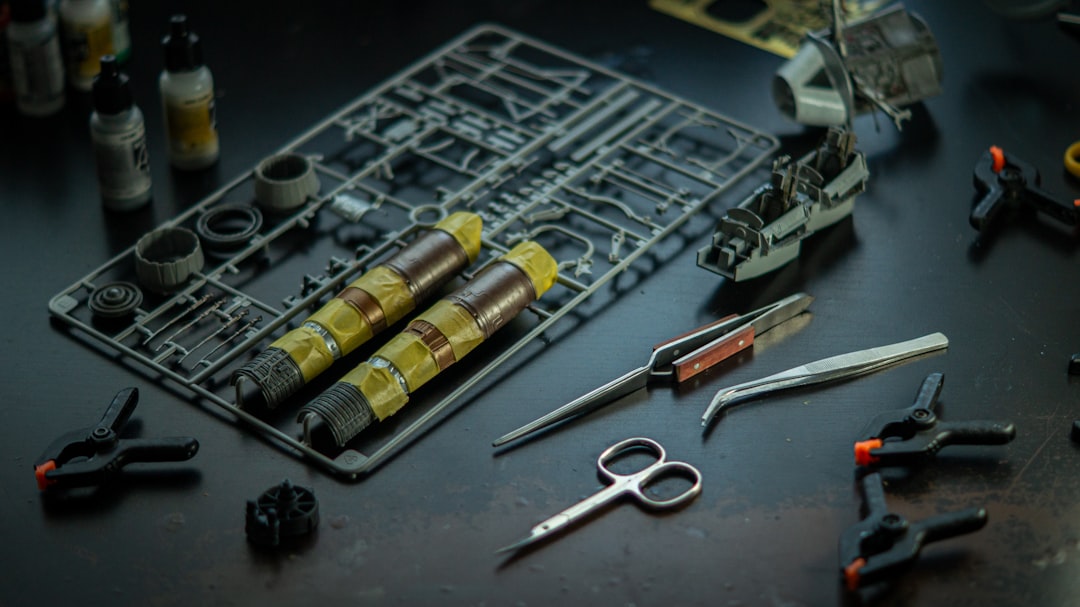
Before you begin any disassembly, prioritizing safety is paramount. Always wear appropriate personal protective equipment, including sturdy work gloves and safety glasses, to shield your hands and eyes from sharp edges, fuel, or debris. The first critical step is to disconnect the spark plug wire to prevent accidental starting, which could lead to serious injury. Next, if your weedeater is gas-powered, carefully drain any remaining fuel into an approved container in a well-ventilated area. Residual fuel can pose a fire hazard and spill risk. Finally, clear your workspace, ensuring you have enough room to lay out components and tools. Gather all necessary tools beforehand; typical items include:
- Various screwdriver types (Phillips and flathead)
- Socket wrench set
- Allen keys or Torx bits (depending on your model)
- Pliers
- A small container or labeled bags for screws and small parts
- Shop towels or rags
Having everything organized and accessible will streamline the disassembly process and prevent frustration.
Detaching the cutting head and shaft assembly
The cutting head is often the first component you’ll need to address, especially for string replacement or guard maintenance. Most weedeater heads are secured by a bump knob that unscrews counter-clockwise, sometimes requiring you to hold a specific part of the shaft to prevent it from spinning. Once the knob is off, the spool and internal spring can be removed. Beneath this, you’ll usually find a retainer nut or bolt that holds the entire head assembly to the gearbox. Use an appropriate wrench or socket to remove this. The safety guard, designed to protect you from debris, is typically attached to the shaft near the cutting head with a few screws or bolts. Remove these to detach the guard.
Next, focus on separating the main shaft from the engine. This connection usually involves a series of screws, bolts, or a clamping mechanism where the shaft meets the engine housing. Carefully inspect the joint for all fasteners and remove them. Once detached, the shaft assembly can often be further broken down. Some models have a two-piece shaft for easier storage, which can be separated by a quick-release coupler or additional bolts. The drive shaft, a flexible or solid rod that transfers power from the engine to the cutting head, is housed within the outer shaft casing. To remove it, you might need to detach the gearbox from the end of the shaft, which is usually held by several screws, and then slide the drive shaft out.
Delving into the engine components
With the shaft assembly removed, you can now access the engine components. Always work systematically, taking photos if necessary, to aid in reassembly. Start by addressing peripheral components. The air filter housing is usually held by clips or screws; open it and remove the filter element. This often exposes the carburetor, which is typically secured to the engine block by two nuts or bolts, sometimes with a gasket in between. Carefully disconnect the fuel lines and throttle cable from the carburetor before removing it. Be mindful of any small springs or linkages attached.
The muffler is another common component that might need removal for maintenance or access. It’s usually bolted directly to the engine cylinder. These bolts can sometimes be seized due to heat and corrosion, so gentle persuasion or a penetrating oil might be needed. The recoil starter assembly, which allows you to start the engine, is often held by several bolts on the side of the engine casing. Once these are removed, the entire assembly can be lifted away, revealing the flywheel. If you need to access the ignition coil or flywheel, you may need a flywheel puller or specialized tools, depending on the engine design. Remember to keep track of all fasteners and their specific locations.
Organizing, inspecting, and reassembly notes
A crucial part of any disassembly project is meticulous organization. As you remove parts, place them in labeled containers or bags, especially screws and small components, noting which part they belong to. Taking photos at various stages of disassembly can be an invaluable reference when it comes time to reassemble. This systematic approach not only prevents lost parts but also ensures correct reinstallation. While disassembling, take the opportunity to clean individual components thoroughly, removing caked-on dirt, grass, and old grease. This cleaning can reveal underlying issues and improve overall performance once reassembled.
Inspect each part for wear, damage, or corrosion. Look for frayed fuel lines, cracked housings, worn-out gaskets, or damaged bearings. This is the ideal time to identify any parts that need replacement. For example, a worn cutting head housing or a corroded muffler can significantly impact performance or safety. Reassembly generally follows the reverse order of disassembly. Pay close attention to torque specifications for critical bolts, especially those related to the engine or shaft connections, to ensure everything is securely fastened. Using fresh gaskets, where applicable, is also highly recommended to prevent leaks and maintain proper sealing. Below is a table illustrating common components and typical tools:
| Component | Typical tools for removal | Key considerations |
|---|---|---|
| Cutting head / Spool | Wrench, screwdriver | Counter-clockwise thread, hold shaft |
| Safety guard | Screwdriver, Allen key | Often plastic, avoid overtightening on reassembly |
| Shaft-to-engine connection | Screwdriver, socket wrench | Note alignment marks, check for clamps |
| Carburetor | Socket wrench, flathead screwdriver | Disconnect fuel lines and throttle cable, mind gaskets |
| Muffler | Socket wrench | Bolts can be seized, check muffler gasket |
| Recoil starter | Screwdriver, socket wrench | Note spring tension if disassembling further |
Disassembling a weedeater doesn’t have to be a daunting task. By following a systematic approach, starting with crucial safety measures, and methodically working through the cutting head, shaft, and engine components, you can successfully take your equipment apart. Remember to keep your workspace organized, meticulously label parts, and take advantage of the opportunity to inspect and clean each component. This process not only facilitates necessary repairs or maintenance but also deepens your understanding of your tool’s mechanics. With careful attention to detail during both disassembly and reassembly, you’ll be able to extend the lifespan of your weedeater and tackle future yard work with confidence, ensuring it runs efficiently and safely for years to come.