The quest for sustainable living often leads gardeners to explore innovative ways of recycling household waste. One common question that arises is whether the ashes left behind from charcoal briquettes, a ubiquitous backyard grilling staple, can be repurposed to enrich garden soil. While wood ash has a long-standing history as a soil amendment, the composition of charcoal briquettes is distinctly different, introducing a complex set of considerations. This article delves into the chemical makeup of charcoal briquette ashes, comparing them to natural wood ash, and meticulously examining their potential benefits, significant drawbacks, and the crucial factors one must weigh before contemplating their use as a fertilizer in your precious garden plot.
Understanding the composition of charcoal briquette ash
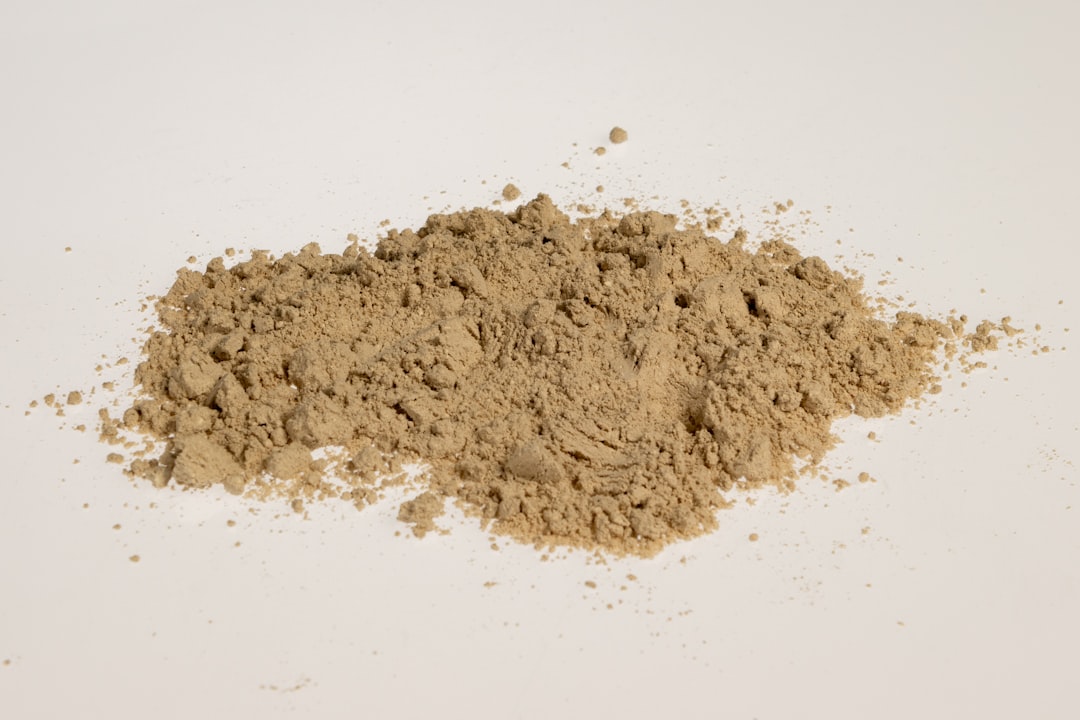
To truly understand the suitability of charcoal briquette ash as a fertilizer, we must first differentiate it from pure wood ash. Traditional wood ash is simply the mineral residue left after burning untreated wood. It primarily consists of potassium, calcium, magnesium, and other micronutrients, making it a valuable alkaline soil amendment. Charcoal briquettes, however, are a manufactured product. Their creation often involves a mix of ingredients beyond just charred wood. Common components can include coal dust, starch (as a binder), limestone (to whiten the ash), borax, sodium nitrate (as igniters or accelerants), and even petroleum byproducts. When these briquettes burn, these additives don’t disappear; they transform into various compounds within the resulting ash. This complex composition is the primary reason why briquette ash cannot be treated with the same assumption of safety or benefit as pure wood ash.
Potential benefits and significant drawbacks
On the surface, briquette ash might seem appealing due to its shared characteristics with wood ash, such as containing potassium and calcium, which are vital plant nutrients. These elements can help improve soil fertility and, due to their alkaline nature, can raise the pH of acidic soils. For instance, potassium is crucial for water regulation and overall plant vigor, while calcium strengthens cell walls and aids in nutrient uptake. However, these potential benefits are often overshadowed by significant drawbacks stemming from the briquette’s varied ingredients.
The most concerning aspect is the potential presence of heavy metals, especially if coal dust or other industrial byproducts are used in manufacturing. Elements like lead, cadmium, chromium, and arsenic can accumulate in the soil, be absorbed by plants, and potentially enter the food chain, posing health risks. Furthermore, additives like sodium nitrate can lead to an undesirable increase in soil salinity, which inhibits water absorption by plants and can harm beneficial soil microbes. Borax, used as a binding agent or accelerant, contains boron, an essential micronutrient but toxic in excess. The unpredictable and often high levels of these contaminants make briquette ash a risky choice for nourishing edible plants.
Safe application practices and crucial considerations
Given the potential hazards, extreme caution is warranted when considering charcoal briquette ash for garden use. The overarching recommendation for home gardeners is to avoid using it, especially on edible plants, unless the exact composition of the briquettes is known and guaranteed to be free of harmful additives and heavy metals. Such guarantees are rarely available for commercial briquettes.
If one *must* consider using it, perhaps for purely ornamental plants or lawns, the following guidelines are paramount:
- Source verification: Only use ash from briquettes explicitly marketed as 100% natural, additive-free hardwood charcoal. Even then, an abundance of caution is wise.
- Soil testing: Conduct a comprehensive soil test before applying anything to understand your soil’s current pH and nutrient levels. This can help determine if an alkaline amendment is even needed.
- Moderation is key: If used, apply in extremely small, infrequent amounts, spread thinly and evenly to avoid localized concentration of potential toxins.
- Observe plant health: Monitor plants closely for any signs of stress, yellowing, or stunted growth after application.
- Avoid direct contact: Do not apply directly to plant roots or seedlings.
Ultimately, opting for safer alternatives like pure wood ash from untreated lumber, compost, or commercially tested soil amendments is a far more reliable and environmentally responsible approach for maintaining soil health and ensuring crop safety.
Here’s a comparison of potential components:
| Element/Compound | Pure Wood Ash (Typical) | Briquette Ash (Potential) | Primary Impact on Soil/Plants |
|---|---|---|---|
| Potassium (K) | High | Moderate to High | Macronutrient; vital for plant growth & water regulation |
| Calcium (Ca) | High | Moderate to High | Macronutrient; strengthens cell walls, pH buffer |
| Magnesium (Mg) | Moderate | Moderate | Macronutrient; essential for photosynthesis |
| Heavy Metals (Lead, Cadmium, Arsenic) | Very Low | Potentially High | Toxic; can accumulate in soil & plants, health risk |
| Sodium (Na) | Low | Potentially High | Can increase soil salinity, harming plant roots |
| Boron (B) | Trace | Potentially High | Micronutrient; toxic in excess |
| pH Impact | Increases soil pH (alkaline) | Increases soil pH (alkaline) | Can improve acidic soils; problematic for alkaline soils |
Final conclusions on charcoal briquette ashes as fertilizer
In conclusion, while the idea of repurposing charcoal briquette ashes as a garden fertilizer aligns with sustainable practices, the reality is far more nuanced and often carries significant risks. Unlike pure wood ash, which is a beneficial source of vital nutrients and a pH adjuster, commercial charcoal briquettes often contain an array of binders, fillers, and accelerants. These additives lead to ashes that can harbor heavy metals, excessive sodium, and other undesirable chemicals, making them potentially harmful to soil health, plant growth, and ultimately, human health if used on edible crops. The potential for toxic accumulation far outweighs the uncertain benefits of nutrient content. Therefore, the informed consensus advises against using charcoal briquette ashes as a fertilizer for most garden applications. For the health and vitality of your garden, it is strongly recommended to opt for proven and safe alternatives like well-rotted compost, dedicated organic fertilizers, or pure wood ash from known, untreated sources. When in doubt, always prioritize caution and soil testing to ensure a thriving and contaminant-free garden.
Image by: Markus Spiske